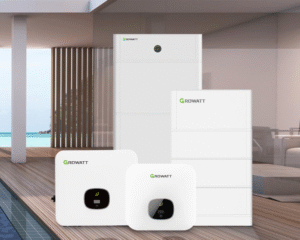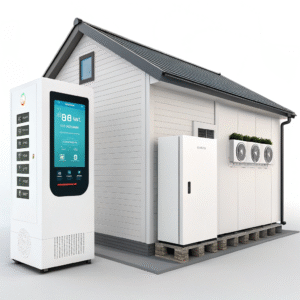
Multi-Energy Systems: Energy Storage Batteries Leading the Future of Power?
The energy landscape is shifting rapidly, but are we ready to harness its full potential? Storage batteries might hold the key.
Energy storage batteries1 are revolutionizing multi-energy systems by enabling efficient energy management, reducing waste, and supporting renewable integration, making them indispensable for future power grids.
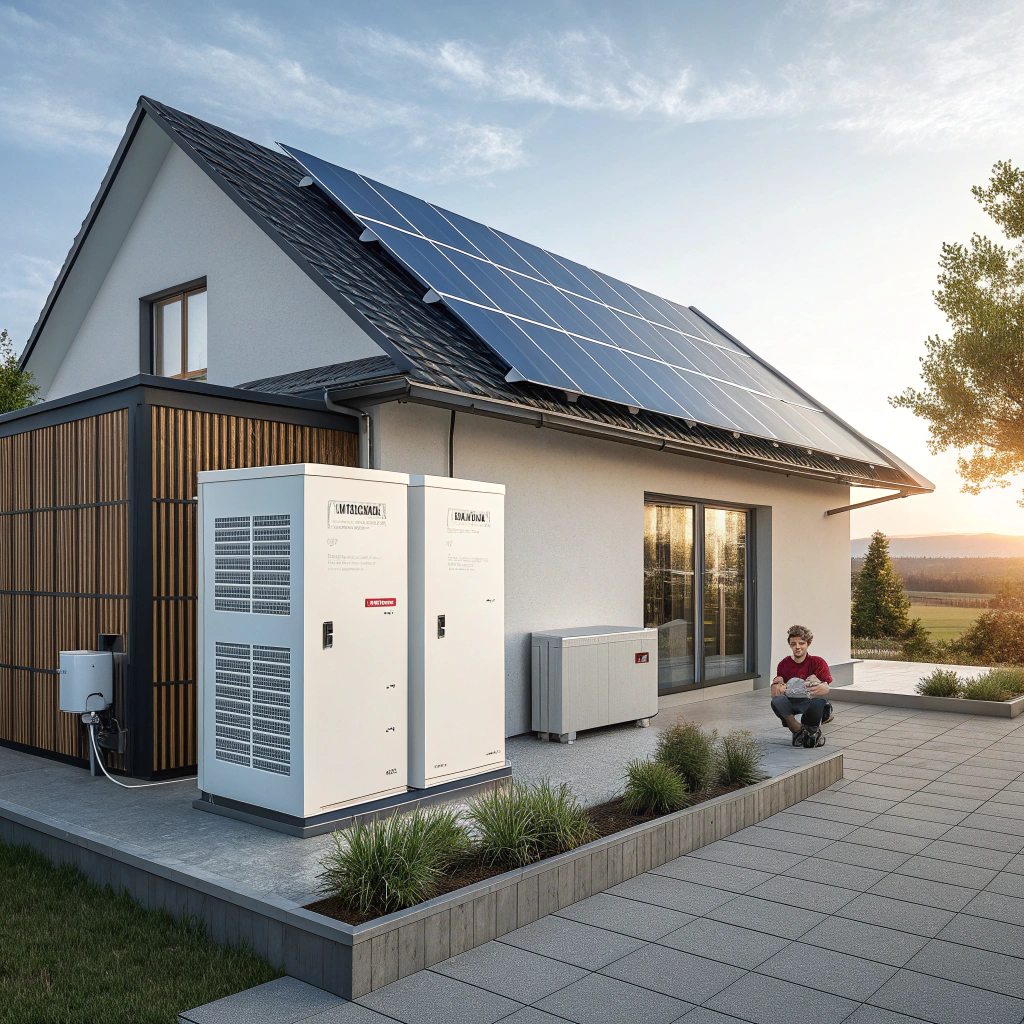
As we stand at the crossroads of energy transformation, one thing is clear: storage batteries aren't just an accessory - they're becoming the backbone of modern power systems. Let's explore how they're reshaping our energy future.
How Storage Batteries Optimize Solar + Wind Power Systems: Leading the Energy Transition?
Ever wondered why your solar panels stop working when the sun goes down? Storage batteries solve this frustrating limitation.
Energy storage batteries1 optimize solar and wind systems2 by storing excess energy during peak production and releasing it during low generation periods, ensuring consistent power supply and maximizing renewable utilization.
The Intermittency Challenge
Renewable energy sources like solar and wind are inherently intermittent. I remember visiting a solar farm on a cloudy day - the panels were practically idle. Storage batteries act as a buffer, capturing surplus energy when production exceeds demand.
Key Benefits of Battery Integration:
- Demand Shifting3: Store cheap off-peak energy for peak-hour use
- Frequency Regulation[^4]: Maintain grid stability during fluctuations
- Capacity Firming[^5]: Ensure consistent output despite variable generation
| Storage Type | Charge/Discharge Efficiency | Typical Lifespan |
|---|---|---|
| Lithium-ion | 90-95% | 10-15 years |
| Lead-acid | 70-80% | 5-8 years |
| Flow | 75-85% | 20+ years |
Real-World Implementation
The Hornsdale Power Reserve in Australia, featuring Tesla's Powerpack batteries, has saved consumers over $50 million in its first year by stabilizing the grid and reducing frequency control costs. Such success stories demonstrate how battery storage transforms renewable energy from supplemental to fundamental.
Flexible Storage Systems: Meeting the Needs of Homes, Businesses, and Power Plants?
Why should energy storage be one-size-fits-all when our energy needs vary dramatically?
Flexible storage systems[^6] adapt to diverse requirements, from residential peak shaving to industrial load management and utility-scale grid services, offering customized solutions for every energy consumer.
Scalable Solutions for Different Users
I've seen how a small home battery system can eliminate a family's evening peak charges, while the same technology scales to support entire communities when aggregated.
Application-Specific Configurations:
- Residential: 5-20 kWh systems for self-consumption optimization
- Commercial: 50-500 kWh systems for demand charge management
- Utility-scale: MWh systems for grid stabilization and renewable integration
The Virtual Power Plant Revolution[^7]
By connecting distributed storage systems, we can create virtual power plants that provide grid services comparable to traditional power stations. This approach is already being piloted in projects like South Australia's Home Battery Scheme.
Energy Storage and Smart Grids: Building a Sustainable, Green Future?
Can our aging power infrastructure handle the renewable energy revolution? Smart grids[^8] with integrated storage might be the answer.
Energy storage is the missing link in smart grid development, enabling real-time energy balancing, enhanced reliability, and seamless integration of distributed energy resources for a sustainable power ecosystem.
The Grid Modernization Imperative
Traditional grids were designed for one-way power flow. I recall how a local utility struggled with voltage fluctuations after a solar boom in their service area. Storage-equipped smart grids solve these challenges by:
- Enabling bidirectional power flows
- Providing instantaneous response to demand changes
- Facilitating higher renewable penetration
Key Smart Grid Storage Applications:
- Microgrid formation and islanding capability
- Voltage and frequency regulation
- Deferral of transmission upgrades
- Black start capability
Future Outlook
With projections showing global energy storage capacity growing 15-fold by 2030, we're witnessing the birth of a new energy paradigm where storage-enabled smart grids become the norm rather than the exception.
Conclusion
Energy storage batteries1 are transforming power systems by enabling renewable integration, providing flexible solutions, and modernizing grids - paving the way for a sustainable energy future.