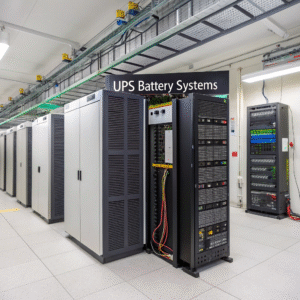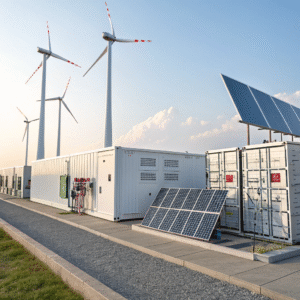
Multi-Scenario Applicability of Energy Storage Batteries: From Homes to Industrial Use
Energy storage batteries1 are revolutionizing how we power our lives - but just how far does their versatility extend?
Energy storage batteries1 offer flexible solutions across residential, commercial, and industrial applications, providing backup power, load shifting, and renewable integration2 capabilities that adapt to diverse energy needs.
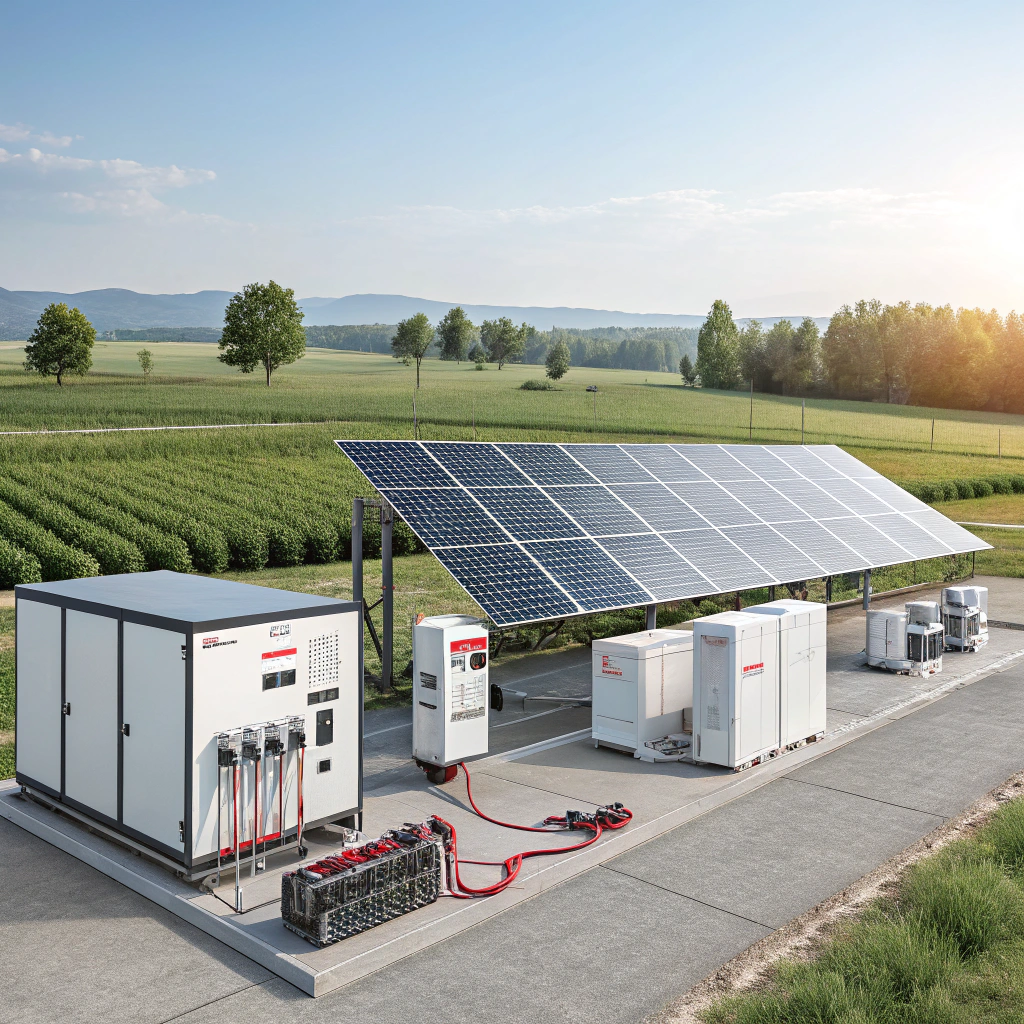
The transformative potential of energy storage isn't limited to any single sector. Let's explore how these systems deliver value across the entire energy spectrum.
From Residential to C&I to Power Plants: Cross-Sector Advantages of Energy Storage Batteries?
Why should energy storage solutions be confined to just one type of user when their benefits span entire energy ecosystems?
Energy storage batteries1 create value across all sectors by optimizing energy use patterns - from home solar self-consumption to industrial demand charge management3 and grid-scale frequency regulation.
![Comparative infographic showing battery applications across sectors]
The Sector-by-Sector Breakdown
Residential Applications
- Peak shaving: Storing solar energy for evening use
- Backup power: Seamless transition during outages
- Time-of-use optimization: Charging when rates are low
| Feature | Home Use | Commercial Use | Utility Scale |
|---|---|---|---|
| Capacity | 5-20 kWh | 30-500 kWh | 1MWh+ |
| Primary Benefit | Bill savings | Demand charge reduction | Grid services |
Commercial & Industrial Solutions
- Demand charge management: Cutting peak demand by 20-40%
- Renewable integration: Smoothing solar/wind output
- Power quality: Mitigating voltage fluctuations
Utility-Scale Implementations
- Ancillary services: Frequency regulation
- Renewable firming: Making variable generation dispatchable
- Transmission deferral: Delaying infrastructure upgrades
The same battery technology adapts its functionality based on scale and operational parameters, proving that energy storage is truly a chameleon of the power sector.
How Storage Batteries Support Different Loads: From Small Devices to Large Industrial Equipment?
Can a single energy storage solution really power everything from your smartphone to a factory's heavy machinery?
Modern battery systems scale intelligently to match load requirements, using modular designs that stack capacity for industrial equipment while maintaining precision control for sensitive electronics.
Load Matching Technologies
Voltage Regulation
- Active battery management systems maintain stable voltage
- Step-up/down converters adapt to equipment needs
Capacity Scaling
- Parallel battery strings increase total kWh
- Dynamic allocation isolates critical loads
Specialized Configurations
- High-rate cells for power tools
- Deep-cycle designs for endurance applications
The secret lies in the battery management system's ability to "right-size" output characteristics for each connected load while maintaining system-wide balance.
Portable, Fixed, On-Grid or Off-Grid: Flexible Deployment Options for Storage Systems?
What if your energy storage could go anywhere and connect to anything? Today's systems deliver exactly that flexibility.
Energy storage batteries1 now offer truly universal deployment with four key configurations: portable power packs[^4], stationary installations, grid-tied systems[^5], and completely off-grid solutions - all using the same core technology.
![Infographic showing battery deployment scenarios]
Deployment Mode Comparison
| Type | Key Features | Typical Use Cases |
|---|---|---|
| Portable | Compact, ruggedized | Job sites, RVs, events |
| Fixed | High capacity, permanent install | Homes, businesses |
| On-Grid | Bidirectional inverters | Solar+storage, VPPs |
| Off-Grid | Islanding capability | Remote locations, microgrids |
The boundary between these categories continues to blur as modular designs allow systems to transition between roles as needs change.
Conclusion
Energy storage batteries1 deliver adaptable solutions across all scales and sectors, proving their indispensable role in our electrified future.
Explore the transformative benefits of energy storage batteries and how they can revolutionize energy management. ↩
Understand how energy storage systems facilitate renewable integration, making energy sources more reliable. ↩
Learn about demand charge management and how energy storage can significantly reduce energy costs for businesses. ↩