Never Powerless Again: How Solar Batteries Guarantee Uninterrupted Electricity for African Homes?
Problem: Power outages plague African homes daily. Agitation: Darkness halts life, spoils food, stops work. Solution: Solar batteries1 deliver reliable, continuous electricity regardless of grid failures.
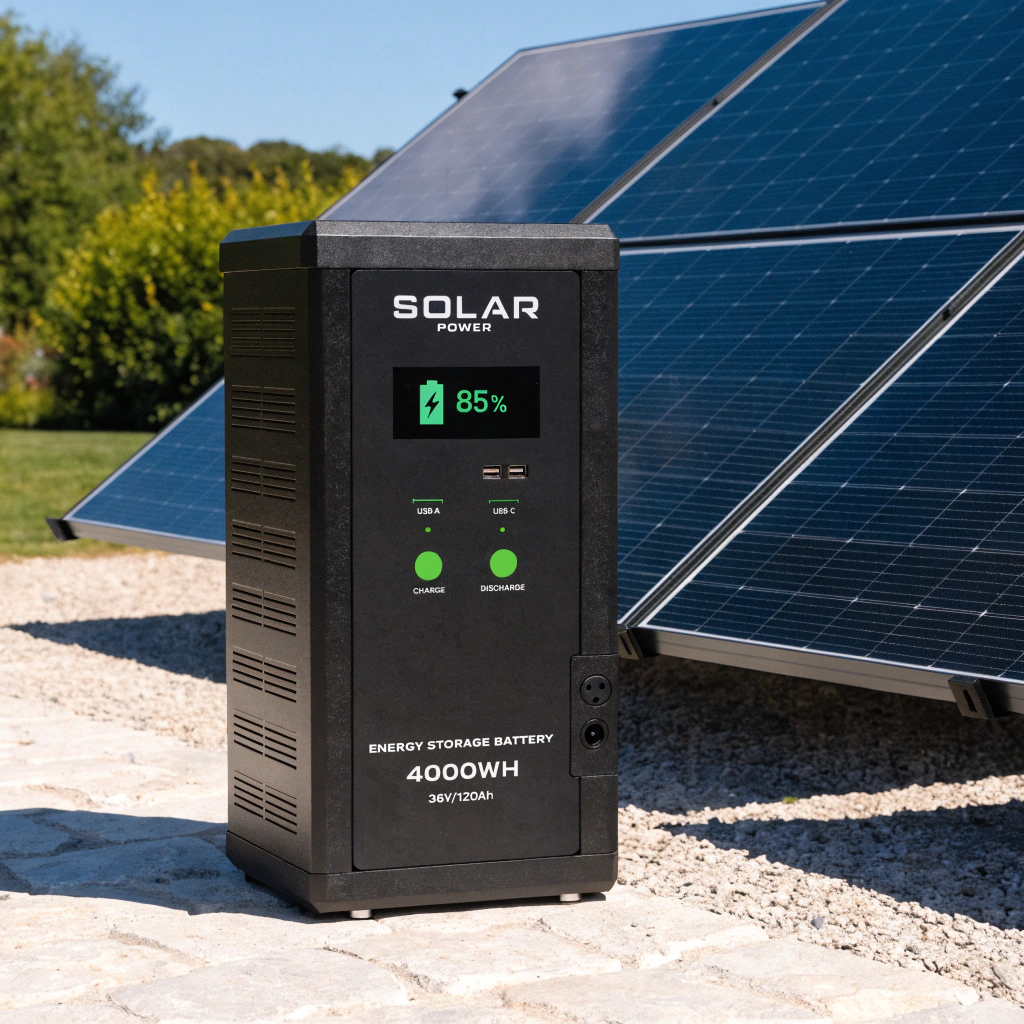
Solar batteries provide uninterrupted electricity2 by storing solar energy during daylight hours and automatically supplying power during outages, ensuring African homes maintain essential functions 24/7 without grid dependency.
I remember visiting a remote village outside Lagos where families would gather around a single kerosene lamp after sunset, children struggling to complete homework in dim light. That image stayed with me, highlighting the urgent need for reliable power solutions. Today's solar battery technology transforms this reality, offering hope where traditional infrastructure falls short. These innovative systems don't just provide backup power—they create energy independence that changes lives fundamentally.
Unlock Savings, Empower Your Life: The Economic Advantage of Solar Battery Storage in Africa?
Solar batteries eliminate costly fuel expenses while increasing property values. Monthly generator costs disappear overnight, creating immediate household budget relief.
Solar battery systems reduce electricity costs by 70-90% compared to diesel generators while eliminating fuel price volatility, providing predictable energy expenses and long-term financial security for African households.
Breaking Down the True Cost of Energy Independence
When I first calculated the economics, the numbers were staggering. A typical African household spending $100 monthly on diesel fuel could install a solar battery system that pays for itself within 2-3 years. The beauty lies in the predictability—no more surprise fuel price hikes or midnight generator runs.
Solar batteries eliminate the hidden costs that drain household budgets: generator maintenance, fuel storage, and frequent repairs. Consider a family in rural Kenya where diesel costs $1.50 per liter and a generator consumes 2 liters daily. That's $90 monthly just for basic lighting and phone charging.
The return on investment becomes compelling when you factor in system longevity. Quality solar batteries last 10-15 years with minimal maintenance, while generators require constant servicing and replacement parts. Property values increase by 15-20% with installed solar systems, creating additional wealth beyond energy savings.
| Cost Component | Generator (Annual) | Solar Battery (Annual) |
|---|---|---|
| Fuel Costs | $1,080 | $0 |
| Maintenance | $240 | $50 |
| Repairs | $180 | $30 |
| Total | $1,500 | $80 |
Remote Power, Real Impact: Bringing Reliable Electricity to Africa's Most Isolated Communities?
Geographic isolation shouldn't mean energy poverty. Remote communities deserve the same electrical reliability as urban centers, regardless of grid accessibility.
Solar battery systems enable electricity access in areas where traditional grid extension is economically unfeasible, connecting isolated African communities to modern energy services through decentralized renewable technology.
Transforming Lives Beyond the Grid
I've witnessed the transformation firsthand in communities 200 kilometers from the nearest power line. Solar batteries don't just provide electricity—they unlock economic opportunities previously impossible. Small businesses emerge: phone charging stations, cold storage for vaccines, evening markets that extend productive hours.
The ripple effects are profound. Children study longer, improving educational outcomes. Healthcare clinics operate refrigerated medicine storage, reducing infant mortality. Women entrepreneurs start ventures requiring consistent power supply, from hairdressing to tailoring services.
Installation challenges in remote areas require innovative solutions. Modular battery systems transported by motorcycle, trained local technicians providing maintenance, and micro-financing options making systems accessible to low-income families. The key is building sustainable ecosystems around technology deployment.
Mobile network coverage improves as tower operators install solar-battery hybrids, connecting isolated communities to digital economies. This connectivity enables mobile banking, online education, and telemedicine services that were previously impossible.
| Impact Area | Before Solar Batteries | After Implementation |
|---|---|---|
| Study Hours | 2-3 hours/day | 6-8 hours/day |
| Business Operating Hours | Daylight only | 12-16 hours/day |
| Healthcare Services | Basic only | Advanced diagnostics |
| Income Generation | Limited | Multiple opportunities |
Empowering a Greener Africa: The Sustainable Future Driven by Solar Storage Technology?
Africa can leapfrog carbon-intensive development while achieving universal electricity access3. Clean energy isn't just environmental necessity—it's economic opportunity.
Solar battery technology enables Africa to build sustainable energy infrastructure4 from scratch, avoiding fossil fuel dependency while creating green jobs and reducing carbon emissions5 across the continent.
Building Tomorrow's Clean Energy Economy
The environmental benefits extend beyond individual households to continental impact. Africa's solar potential is enormous—receiving more sunlight annually than any other continent. Solar batteries maximize this natural advantage by capturing and storing abundant energy for round-the-clock use.
Carbon footprint reduction is significant. A single household switching from diesel generators to solar batteries prevents 2-3 tons of CO₂ emissions annually. Multiply this across millions of homes, and the climate impact becomes substantial while supporting international carbon credit programs.
Job creation follows technology adoption. Solar installation, battery maintenance, and system design create skilled employment opportunities. Local manufacturing of battery components reduces import dependency while building industrial capacity. Training programs develop technical expertise that supports expanding renewable energy sectors.
Grid stability improves as distributed solar battery systems reduce peak demand on struggling national grids. During daylight hours, excess solar generation can feed back into grids, supporting overall system reliability while generating income for households through net metering programs.
The technology drives innovation ecosystems. Mobile app development for system monitoring, fintech solutions for equipment financing, and IoT integration for smart home capabilities create technology clusters that attract investment and expertise.
| Sustainability Metric | Traditional Energy | Solar Battery Systems |
|---|---|---|
| CO₂ Emissions (tons/year) | 2.5 | 0.1 |
| Job Creation Potential | Low | High |
| Resource Dependency | Import fuel | Local solar |
| Long-term Costs | Increasing | Decreasing |
Conclusion
Solar batteries revolutionize African energy access, delivering economic savings, powering remote communities, and building sustainable futures simultaneously.
Explore how solar batteries can provide reliable energy solutions and enhance energy independence for households. ↩
Learn about the technology behind solar batteries and their role in providing consistent power. ↩
Explore how solar batteries can bridge the energy gap in isolated communities. ↩
Explore the role of solar batteries in building a sustainable energy future. ↩
Learn about the environmental benefits of switching to solar batteries. ↩