New Opportunities for Energy Storage in the Global Energy Transition?
The world is shifting to renewable energy, but how do we keep the lights on when the sun isn't shining and wind isn't blowing? Energy storage holds the key.
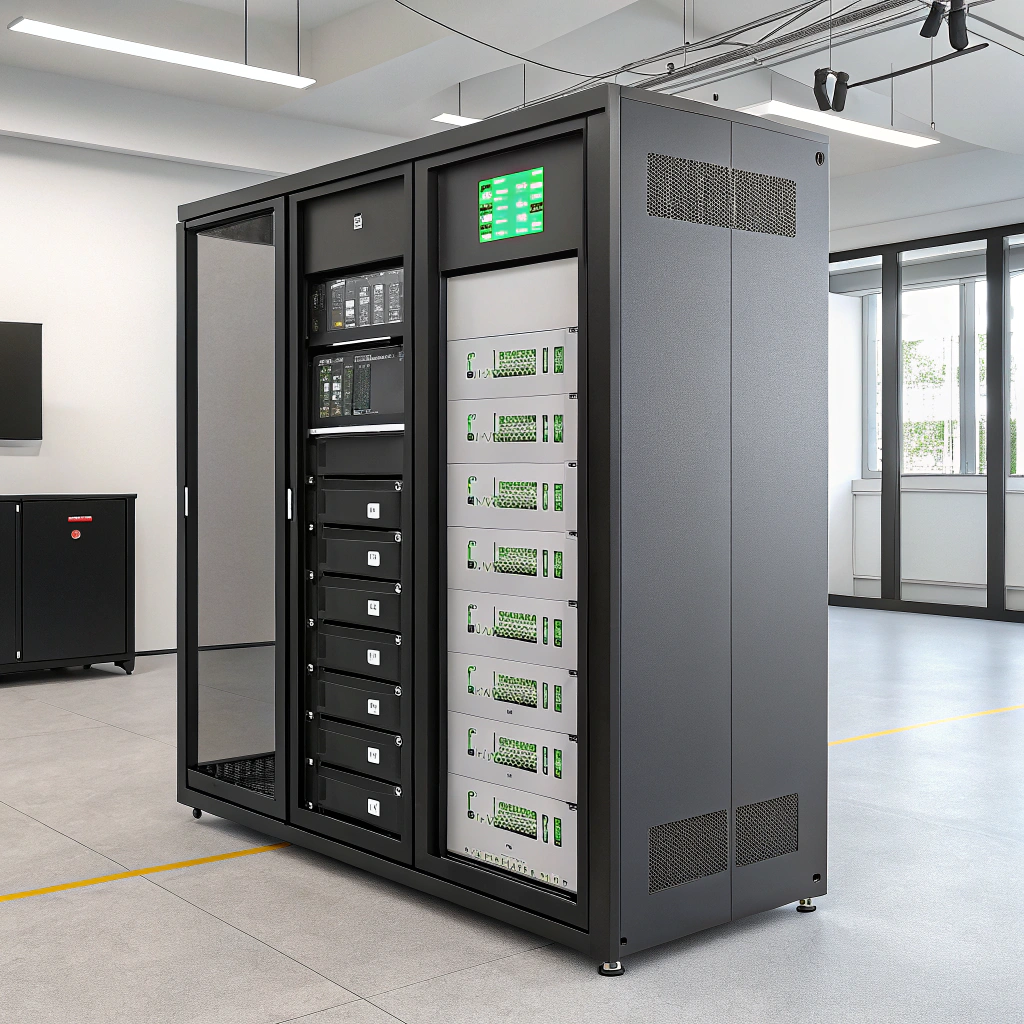
Energy storage systems1 are revolutionizing renewable energy integration by providing grid stability2, enabling solar+storage solutions3, and offering scalable lithium battery options[^4] for clean energy projects worldwide.
As we stand at the crossroads of energy transformation, the role of storage technologies has never been more critical. Let's explore how these innovations are reshaping our energy future.
The Key Role of Energy Storage Systems in Renewable Energy Integration – How Solar + Battery Solutions Improve Power Stability?
Ever experienced blackouts when renewable generation drops? There's a smarter solution emerging.
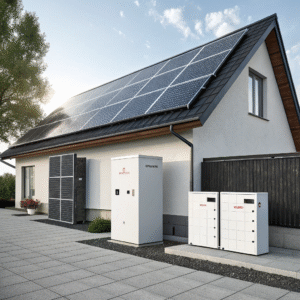
Solar+battery systems combine photovoltaic generation with energy storage to smooth output fluctuations, provide backup power during outages, and enable time-shifting of solar energy to peak demand periods.
The Mechanics of Solar+Storage Integration
The marriage of solar PV with battery storage creates a symbiotic relationship that addresses renewable energy's biggest challenge - intermittency[^5]. Here's how it works:
- Generation Smoothing[^6]: Batteries absorb excess solar production during midday peaks
- Time-Shifting[^7]: Stores surplus daytime energy for evening use
- Grid Services[^8]: Provides voltage support and frequency regulation
| System Component | Function | Benefit |
|---|---|---|
| Solar PV Array | Converts sunlight to DC electricity | Clean energy generation |
| Battery Storage | Stores excess solar energy | Demand shifting, backup power |
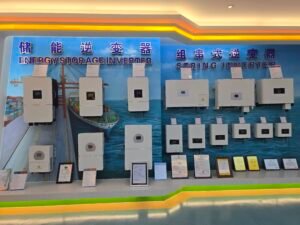
| Power Inverter | Converts DC to AC power | Grid compatibility |
Real-World Applications
From residential rooftop systems to utility-scale solar farms, storage integration is proving its value:
- Home Systems: 10kWh batteries storing excess solar for nighttime use
- Commercial: 500kWh systems reducing demand charges
- Utility-Scale: 100MWh+ installations replacing gas peaker plants
The technology is particularly transformative in island grids and microgrid applications where stability is paramount.
Solar+storage systems can eliminate the need for fossil fuel backup. True
When properly sized, solar+storage can provide 24/7 renewable power without fossil generation.
All batteries work equally well for solar storage. False
Lithium-ion dominates due to its energy density and cycle life, though flow batteries show promise for long-duration storage.
Why More Countries Are Choosing Lithium Battery Energy Storage Systems for Clean Power Projects?
What's driving the global rush to adopt lithium battery technology for energy storage?
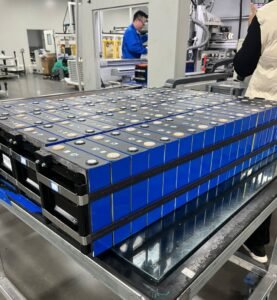
Lithium-ion batteries dominate energy storage projects due to their declining costs (87% reduction since 2010), high energy density (200-300Wh/kg), and ability to provide multiple grid services simultaneously.
The Lithium Advantage
Several factors make lithium-ion the preferred choice for modern energy storage:
-
Economic Factors:
- Levelized cost of storage now competitive with gas peakers
- Modular design allows flexible scaling
- 10-15 year lifespan with proper management
-
Technical Superiority:
- 90-95% round-trip efficiency
- Sub-second response times for grid services
- Ability to stack multiple revenue streams
-
Market Dynamics:
- EV industry driving manufacturing scale
- Established supply chains (though facing challenges)
- Proven track record in utility applications
Global Adoption Patterns
The lithium battery revolution is playing out differently across markets:
| Region | Storage Focus | Key Drivers |
|---|---|---|
| North America | Renewable integration, grid services | FERC Order 841, state mandates |
| Europe | Frequency regulation, renewable firming | EU clean energy package |
| Asia | Renewable curtailment reduction, peak shaving | National carbon targets |
Emerging markets are particularly drawn to lithium systems for their [rapid deployment](https://sitenna.com/the-infrastructure-bottleneck-the-critical-advantage-of-rapid-deployment/)[^9] capabilities compared to traditional infrastructure.
Lithium battery prices have stopped declining. False
Prices continue to fall, with another 30% reduction expected by 2025.
All lithium batteries use cobalt. False
New chemistries like LFP (lithium iron phosphate) are cobalt-free.
How Chinese Energy Storage Manufacturers Are Supporting Global Green Energy Transformation?
How has China become the powerhouse of energy storage manufacturing?
Chinese manufacturers[^10] supply over 70% of global lithium battery production, driving down costs through massive scale (300+GWh annual capacity), vertical integration, and continuous technology innovation in battery chemistries and system design.
The Chinese Storage Ecosystem
China's dominance stems from several strategic advantages:
-
Supply Chain Control:
- Domestic lithium processing
- Cathode/anode material production
- Cell manufacturing clusters
-
Technology Leadership:
- CATL's cell-to-pack innovations
- BYD's blade battery design
- EVE Energy's LFP breakthroughs
-
Market Strategies:
- Competitive pricing ($100/kWh at pack level)
- Turnkey project delivery
- Localized service networks
Global Impact Projects
Chinese companies are deploying storage solutions worldwide:
| Project | Location | Capacity | Technology |
|---|---|---|---|
| Moss Landing | California | 1.2GWh | CATL lithium-ion |
| South Australia | Australia | 300MWh | BYD batteries |
| Thames Estuary | UK | 100MWh | Huawei systems |
These projects demonstrate China's ability to deliver [grid-scale solutions](https://en.wikipedia.org/wiki/Grid_energy_storage)[^11] at competitive prices globally.
Chinese manufacturers[^10] only produce low-quality batteries. False
Many Chinese firms produce Tier-1 batteries meeting international safety and performance standards.
China's battery dominance is temporary. False
With continued investment in R&D and capacity, China's lead appears sustainable.
Conclusion
Energy storage technologies are enabling the renewable energy transition by providing critical flexibility and reliability services to power grids worldwide.