Optimize Your Grid Connection: Achieve Flawless Performance with Integrated Battery Inverters
Struggling with unreliable power and inefficient energy management? Integrated battery inverters1 might be your game-changing solution.
Integrated battery inverters optimize grid connections by combining energy storage and conversion in one unit, ensuring seamless power flow, higher efficiency, and reduced energy waste.
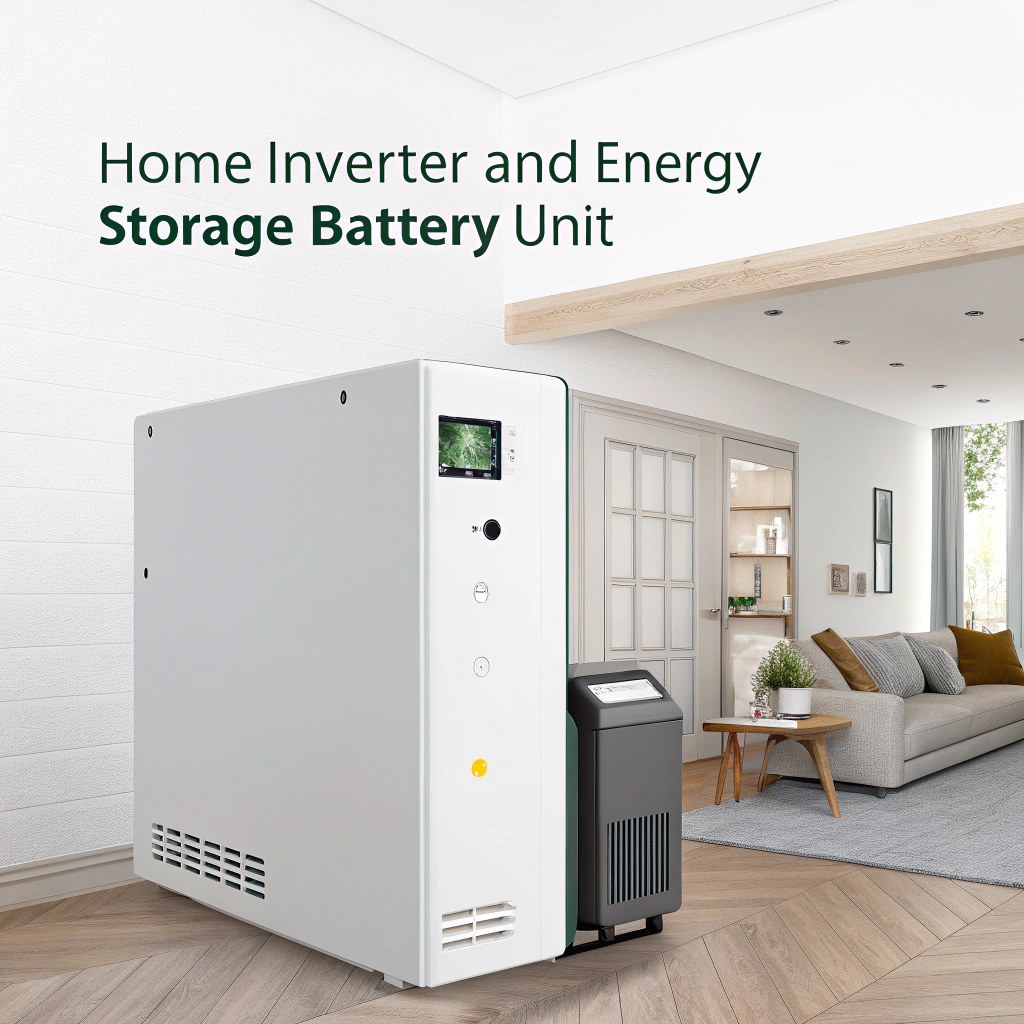
Upgrading to an integrated system isn’t just about convenience—it’s about transforming how you manage energy. Let’s explore why these systems outperform traditional setups.
Your All-in-One Energy Hub: The Versatility of Battery Inverter Integrated Systems
Tired of juggling multiple energy components? An all-in-one system simplifies everything.
Battery inverter integrated systems2 merge storage, conversion, and management into a single unit, offering versatility for residential, commercial, and industrial applications while reducing installation complexity.
How Integrated Systems Outperform Traditional Setups
Integrated systems eliminate the need for separate components, reducing points of failure and maintenance costs. Here’s why they excel:
| Feature | Traditional Systems | Integrated Systems |
|---|---|---|
| Installation | Complex wiring | Plug-and-play setup |
| Efficiency | 85-90% | 92-96% |
| Maintenance | High (multiple units) | Low (single unit) |
Key Advantages:
- Space-saving design – No extra room needed for separate inverters and batteries.
- Scalability – Easily expand storage capacity without overhauling the system.
- Smart energy management – Built-in software optimizes power usage based on demand.
By consolidating components, these systems reduce energy loss3es and improve reliability—critical for off-grid and hybrid setups.
Integrated systems reduce energy waste. ✅ True
Combining storage and conversion minimizes power loss compared to separate units.
Traditional systems are more efficient than integrated ones. ❌ False
Integrated systems achieve higher efficiency due to optimized internal circuitry.
Beyond Components: Unlocking Superior Efficiency with Battery Inverter Integrated Solutions
Why settle for clunky, inefficient setups when integration can maximize performance?
Integrated solutions enhance efficiency by synchronizing battery storage and power conversion, reducing energy loss, and enabling real-time adjustments to load demands.
How Efficiency Gains Translate to Cost Savings
-
Reduced Conversion Losses
- Traditional setups lose energy when transferring between separate units.
- Integrated systems maintain efficiency by minimizing conversion steps.
-
Dynamic Load Management
- Smart algorithms shift between grid, battery, and solar power seamlessly.
- Example: During peak tariffs, the system prioritizes stored energy to cut costs.
-
Longer Battery Lifespan
- Precision charging/discharging prevents overuse, extending battery life by up to 30%.
Pro Tip: Look for systems with bidirectional charging4 to feed excess energy back to the grid for credits.
Integrated systems extend battery lifespan. ✅ True
Optimized charging patterns reduce wear and tear.
Separate inverters and batteries are more efficient. ❌ False
Energy loss occurs during transfers between standalone units.
Engineered for Reliability: The Seamless Performance of Integrated Battery Inverter Systems
Power outages and inconsistent supply got you frustrated? Integration ensures uninterrupted energy.
Integrated battery inverters provide reliable backup power5 by automatically switching to stored energy during outages, maintaining critical loads without manual intervention.
Why Reliability Matters in Modern Energy Systems
- Instant Failover – Switches to battery power in milliseconds during grid failure.
- Grid Independence – Ideal for areas with unstable utility supply.
- Remote Monitoring – Real-time alerts and diagnostics prevent unexpected downtime.
Case Study: A hospital using integrated systems reduced backup generator reliance by 40%, ensuring uninterrupted critical operations.
Integrated systems require manual switching during outages. ❌ False
They automatically detect outages and switch to battery power.
They only work with solar panels. ❌ False
They function with or without solar, storing grid or generator power.
Conclusion
Integrated battery inverters streamline energy management6, boost efficiency, and ensure reliability—making them the ultimate upgrade for modern power needs.
Discover how integrated battery inverters can revolutionize your energy management and enhance efficiency. ↩
Learn about the mechanics and advantages of battery inverter integrated systems for better energy solutions. ↩
Understand the factors contributing to energy loss and how to mitigate them with integrated solutions. ↩
Discover the advantages of bidirectional charging for maximizing energy use and savings. ↩
Explore how integrated systems ensure uninterrupted power supply during outages. ↩
Explore the significance of energy management in optimizing power usage and reducing costs. ↩