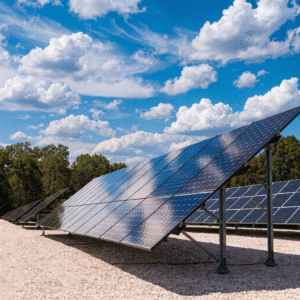
Optimizing Business Energy Usage: How C&I Energy Storage Achieves Efficient Energy Saving?
Struggling with soaring energy bills and inefficient power usage? Commercial & Industrial (C&I) energy storage might be your game-changer.
C&I energy storage systems1 optimize business energy usage by storing excess power during low-demand periods and releasing it during peak hours, reducing costs and enhancing grid stability.
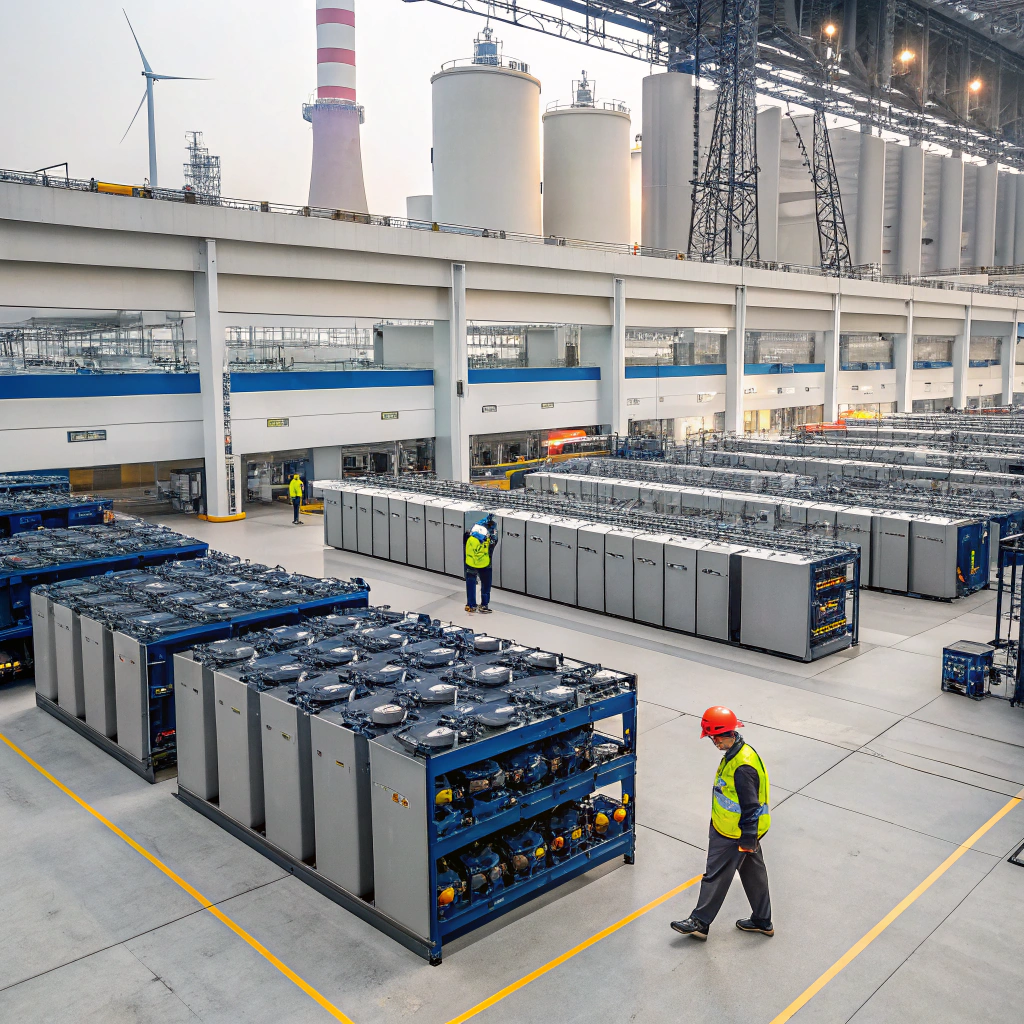
Imagine slashing your energy expenses while boosting operational efficiency—sounds too good to be true? Let’s dive into how C&I energy storage makes this possible.
How Do Energy Storage Batteries Help Businesses Achieve Load Management and Efficient Power Usage?
Tired of unpredictable energy costs disrupting your budget? Energy storage batteries2 offer a smart solution.
Energy storage batteries2 enable businesses to shift consumption from peak to off-peak hours, lowering demand charges and improving load management. They also provide backup power during outages, ensuring uninterrupted operations.
The Mechanics of Load Shifting3 and Peak Shaving
Energy storage systems (ESS) store electricity when rates are low (e.g., nighttime) and discharge it during expensive peak periods. This practice, called peak shaving[^4], can cut demand charges by up to 30%.
Key Benefits:
- Reduced Energy Bills: Avoid peak-time tariffs.
- Grid Independence: Less reliance on utility power during outages.
- Demand Response Earnings: Sell stored energy back to the grid during high-demand events.
| Strategy | How It Works | Business Impact |
|---|---|---|
| Peak Shaving | Discharge stored energy during peak hours | Lowers demand charges |
| Load Shifting3 | Use stored energy during high-rate periods | Reduces overall energy costs |
Integration with Renewable Energy
Pairing ESS with solar/wind maximizes ROI. Excess renewable energy is stored instead of being sold back at low rates, ensuring 24/7 clean power usage.
How Do C&I Energy Storage Projects Lower Energy Costs and Increase Profitability for Businesses?
Energy costs eating into your profits? Storage systems turn energy expenses into savings.
C&I energy storage reduces costs by optimizing electricity purchases, avoiding peak tariffs, and generating revenue via grid services like frequency regulation.
Cost-Saving Mechanisms
- Demand Charge Reduction[^5]: High peak demand spikes bills—ESS flattens these peaks.
- Time-of-Use Arbitrage[^6]: Buy low, store, and use high.
- Incentives & Tax Breaks: Governments offer rebates for ESS adoption (e.g., ITC in the U.S.).
Real-World Example:
A manufacturing plant in Texas cut its monthly energy bill by 40% using a 500 kWh battery system to shave peak demand.
Revenue Streams from ESS
- Frequency Regulation[^7]: Earn payments for stabilizing grid frequency.
- Capacity Markets: Get paid for reserved energy capacity.
How Do Energy Storage Systems Integrate Seamlessly with Existing Business Power Infrastructure?
Worried about complex retrofits? Modern ESS solutions are designed for plug-and-play compatibility.
Energy storage systems integrate with existing infrastructure via smart inverters[^8] and energy management software, enabling real-time monitoring and control without major upgrades.
Steps for Smooth Integration
- Assessment: Audit current energy usage and infrastructure.
- Software Sync: Connect ESS to building management systems (BMS).
- Scalability: Modular batteries allow gradual expansion.
Compatibility Table:
| Existing System | Integration Method | Outcome |
|---|---|---|
| Solar PV | DC-coupled or AC-coupled | Maximizes self-consumption |
| Diesel Generators | Hybrid ESS-Gen control systems | Reduces fuel use and runtime |
Future-Proofing with Smart Tech
AI-driven energy management systems predict usage patterns and automate storage/discharge cycles for optimal efficiency.
Conclusion
C&I energy storage cuts costs, boosts resilience, and integrates effortlessly—making it a must-have for energy-intensive businesses.
Explore this link to understand how C&I energy storage systems can optimize energy usage and reduce costs for businesses. ↩
Learn about the benefits of energy storage batteries and how they can help businesses manage energy costs effectively. ↩
Find out how load shifting can help businesses reduce energy costs by optimizing energy consumption. ↩