Portable Power Stations — Making Outdoor Power Easy and Reliable
Struggling to keep your devices charged during outdoor adventures? Portable power stations1 are the game-changer you've been waiting for.
Portable power stations1 provide reliable, off-grid electricity for various devices, making them ideal for camping, travel, and emergencies by combining battery capacity2 with multiple output ports.
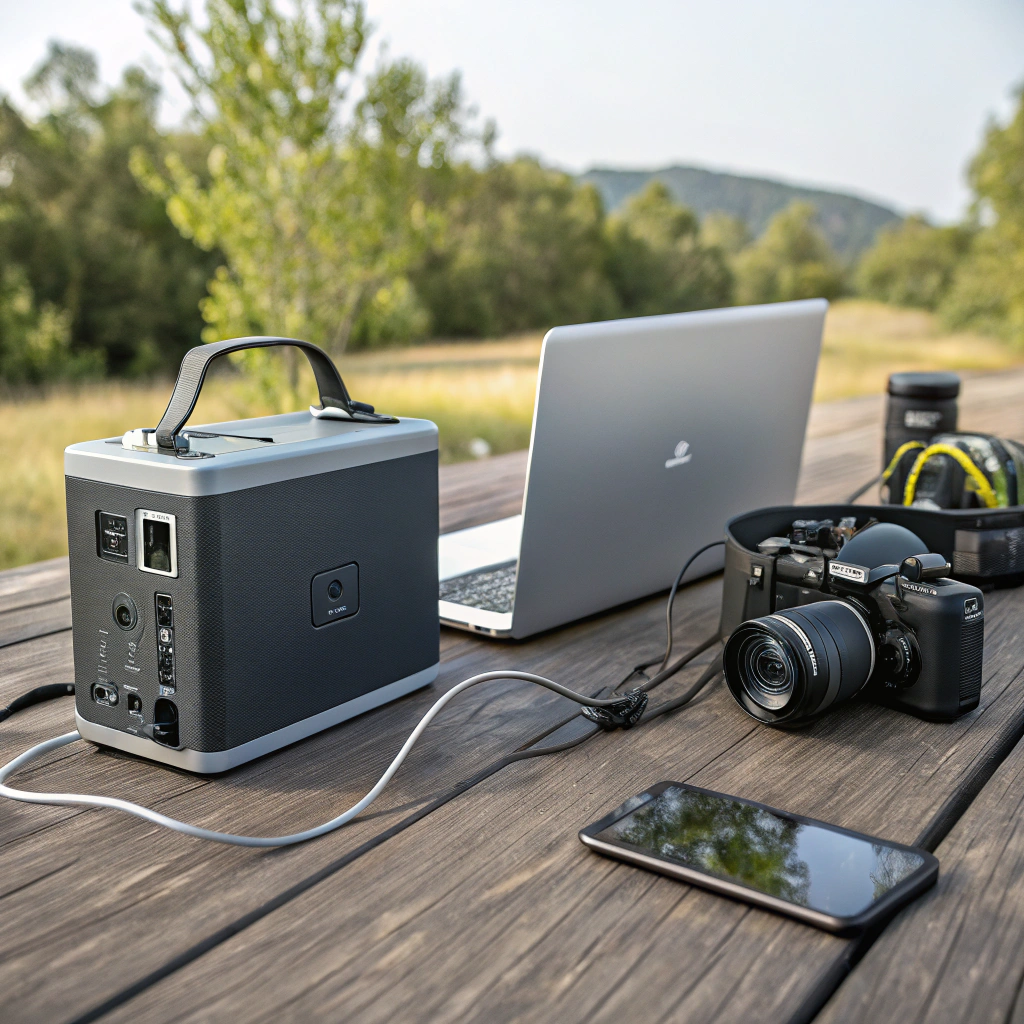
Whether you're a weekend camper or preparing for emergencies, understanding how portable power stations work can transform your outdoor experience. Let's dive into the details.
What Devices Can a Portable Power Station Power? Here’s the Full Guide
Ever wondered if your portable power station can handle all your gadgets? The answer might surprise you.
Portable power stations1 can charge smartphones, laptops, mini-fridges, CPAP machines, and even small appliances like blenders, depending on their wattage and battery capacity2.
Understanding Power Requirements
Not all devices are created equal. Here’s a breakdown of common devices and their power needs:
| Device | Power Requirement (Watts) | Runtime on 500Wh Station |
|---|---|---|
| Smartphone | 5-10W | 50-100 charges |
| Laptop | 50-100W | 5-10 hours |
| Mini-Fridge | 50-100W | 5-10 hours |
| CPAP Machine | 30-60W | 8-16 hours |
Key Considerations:
- Wattage Compatibility: Ensure the station’s output (e.g., 300W, 500W) meets your device’s needs.
- Battery Capacity (Wh): Higher Wh = longer runtime. A 500Wh station can power a 50W device for ~10 hours.
- Port Types: Look for USB-A/C, AC outlets, and DC ports to match your devices.
For example, a 200W station might struggle with a 150W blender but easily charge phones and lights. Always check your device’s manual for exact power specs.
Pro Tip: Solar-compatible stations (like Jackery or EcoFlow) extend runtime during off-grid trips.
Top 3 Applications of Portable Power Stations: Camping, Travel, and Emergency Backup
What if one device could power your adventures and emergencies alike?
Portable power stations1 excel in camping (lights, cooking), travel (hotel alternatives), and emergencies (medical devices, communication), offering versatility and peace of mind.
1. Camping: Off-Grid Comfort
- Lighting: LED string lights (~10W) for ambiance.
- Cooking: Electric grills (800-1500W) require high-wattage stations.
- Entertainment: Projectors (50-100W) for movie nights.
Best Pick: A 1000Wh station with solar input for multi-day trips.
2. Travel: Road Trips and RV Life
- RV Appliances: Powers fans (50W) or mini-coolers (100W).
- Workations: Keeps laptops and Wi-Fi hotspots running.
Pro Tip: Compact stations (300-500Wh) fit easily in cars.
3. Emergency Backup: Safety First
- Medical Devices: Critical for CPAP users during outages.
- Communication: Charges radios and phones for emergencies.
Must-Have: Stations with UPS (Uninterruptible Power Supply) mode for instant backup.
What Should You Check Before Buying a Portable Power Station? Wattage, Capacity, or Ports?
Overwhelmed by technical specs? Focus on these three pillars.
Prioritize wattage (for device compatibility), capacity (for runtime), and ports (for versatility). Solar charging and weight are secondary but important for specific uses.
Buying Guide Breakdown
| Feature | What to Look For | Example |
|---|---|---|
| Wattage | Match peak device needs (e.g., 300W+ for blenders). | 500W station for most uses. |
| Capacity (Wh) | Higher = longer runtime. 500Wh = 5hrs at 100W. | Goal Zero Yeti 500X. |
| Ports | USB-C PD, AC outlets, 12V carport. | EcoFlow River Pro. |
Hidden Gems:
- Weight: <20 lbs for portability.
- Solar Input: 100W+ panels for off-grid recharging.
- Battery Type: LiFePO4 batteries last longer than Li-ion.
Avoid: Stations lacking pure sine wave AC output3 (can damage sensitive electronics).
Conclusion
Portable power stations1 bridge the gap between adventure and preparedness, offering reliable power for devices, emergencies, and outdoor fun. Choose wisely based on your needs!