Power Outage Season Is Here: Don’t Get Caught Unprepared! Why Battery Backup is Crucial Now?
Power outages can strike without warning, leaving you in the dark and disconnected. Are you ready to face the next blackout with confidence?
A battery backup system1 ensures uninterrupted power during outages, protecting your appliances, keeping food fresh, and maintaining communication when you need it most.
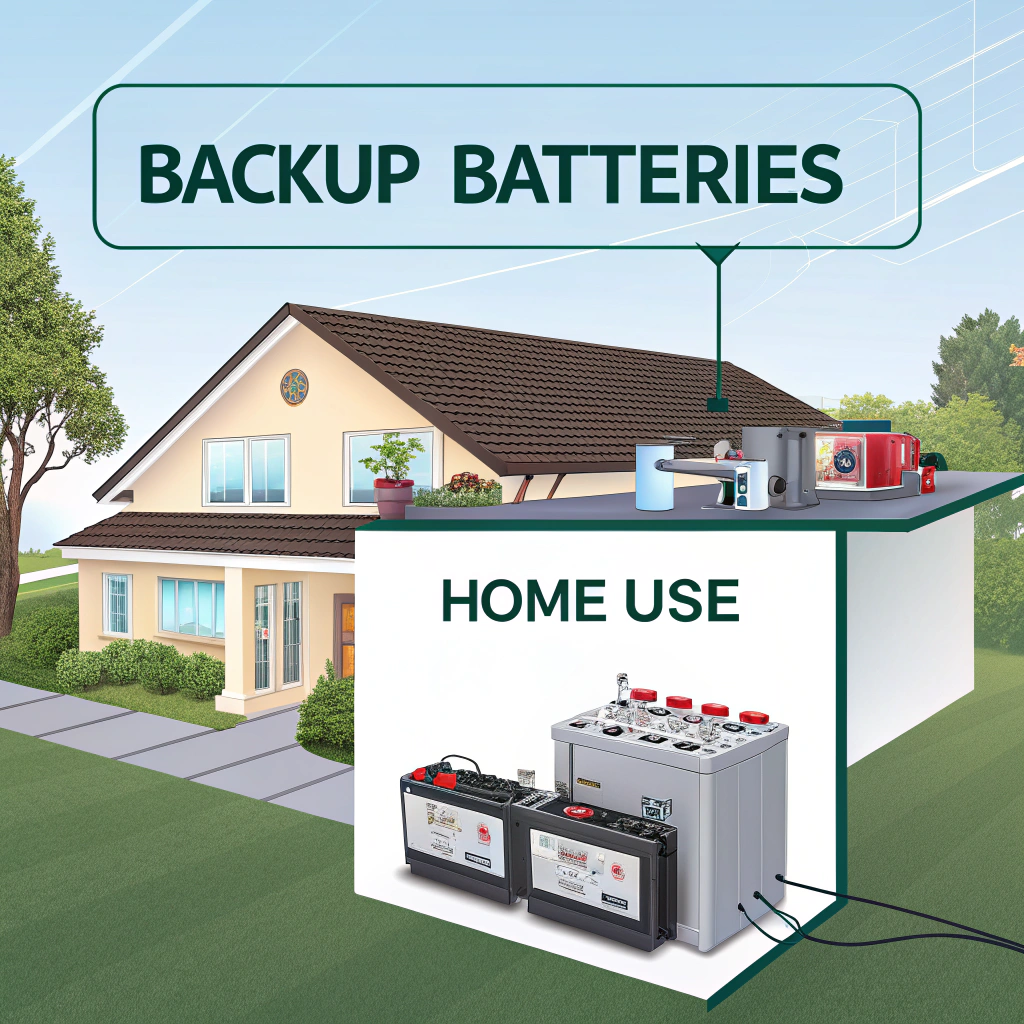
Imagine sitting through a storm only to realize your fridge is off and your phone is dying. Battery backups aren't just convenient—they're essential for modern living. Let's explore why you shouldn't wait another day to secure yours.
Stop Worrying About Power Outages: The Peace of Mind a Battery Backup System Brings
Tired of anxiety every time the lights flicker? What if you could weather any outage calmly?
Battery backups eliminate outage stress by automatically powering essentials like lights, medical devices, and WiFi, ensuring safety and comfort during emergencies.
Beyond Basics: How Battery Backups Transform Emergency Preparedness
Not all battery systems are created equal. Here’s what to consider:
-
Capacity Needs
- Essential: Fridge, lights, phone charger (1–2 kWh)
- Whole-house: HVAC, well pumps (10+ kWh)
-
Response Time
Type Switch Time Best For UPS Instant (0–20ms) Electronics Home Battery 1–2 seconds Appliances -
Integration
- Solar-ready systems can recharge during outages
- Smart panels prioritize critical circuits
A neighbor once lost a freezer full of food during a 3-day outage—their $200 battery purchase the next week paid for itself in one storm. Pro tip: Pair with surge protectors to shield sensitive devices from voltage spikes.
Save Your Food, Stay Connected: The Practical Benefits of a Power Outage Battery Backup System
What’s worse: losing power or realizing your spoiled groceries cost more than a backup system?
Battery backups preserve perishables and maintain internet/cell service, preventing food waste and keeping emergency communication2 lines open during extended outages.
The Hidden Costs of Doing Nothing
Let’s break down the math:
| Scenario | Cost Without Backup | Battery Solution Cost |
|---|---|---|
| Fridge contents lost | $300–$600 | $1,500 (3x savings) |
| Hotel stay (3 days) | $450+ | $0 (stay home) |
| Missed work calls | Lost income | Uninterrupted service |
During Hurricane Sandy, families with battery systems could charge neighbors’ phones—turning their homes into community lifelines. Modern lithium batteries3 last 5–10 years, making them smarter than buying generators that need fuel.
DIY vs. Professional Installation: Navigating Your Power Outage Battery Backup Options
Should you install a battery system yourself or call the pros? Your safety depends on this choice.
Simple UPS units are DIY-friendly, but whole-house systems4 require professional installation due to high-voltage risks and complex electrical integration.
Choosing Your Adventure: Installation Pathways
DIY Route (Best for Small Needs)
✔ Plug-and-play UPS for computers
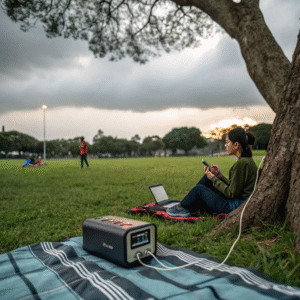
✔ Portable power stations (<3kWh)
✖ Never modify home wiring yourself
Pro Installation (Whole-House Systems)
✔ Permits and inspections handled
✔ Seamless integration with solar/grid
✔ 10–25 year warranties
A client once tried wiring a DIY battery to their panel—it tripped breakers for weeks until an electrician fixed $800 in damages. Lesson: Know your limits. Most whole-house installs take 1 day and qualify for [federal tax credits](https://www.irs.gov/credits-deductions/residential-clean-energy-credit)5.
Conclusion
Battery backups are no longer luxury items—they’re critical infrastructure for resilient homes. Invest before the next outage strikes.
Understanding battery backup systems can help you choose the right one for your needs. ↩
Explore effective communication strategies to stay connected during emergencies. ↩
Explore the benefits of lithium batteries for long-lasting and efficient power. ↩
Learn about whole-house systems to ensure all your appliances stay powered. ↩
Find out how you can save money on your battery backup investment with tax credits. ↩