Powering Progress: Where and How Energy Storage Batteries Are Transforming Industries?
Problem: Industries face mounting energy challenges. Agitate: Rising costs and grid instability threaten operations. Solution: Battery storage transforms everything.
Energy storage batteries1 revolutionize industries by providing grid stability, peak shaving, and optimized energy management, enabling cost savings and sustainable operations across sectors.
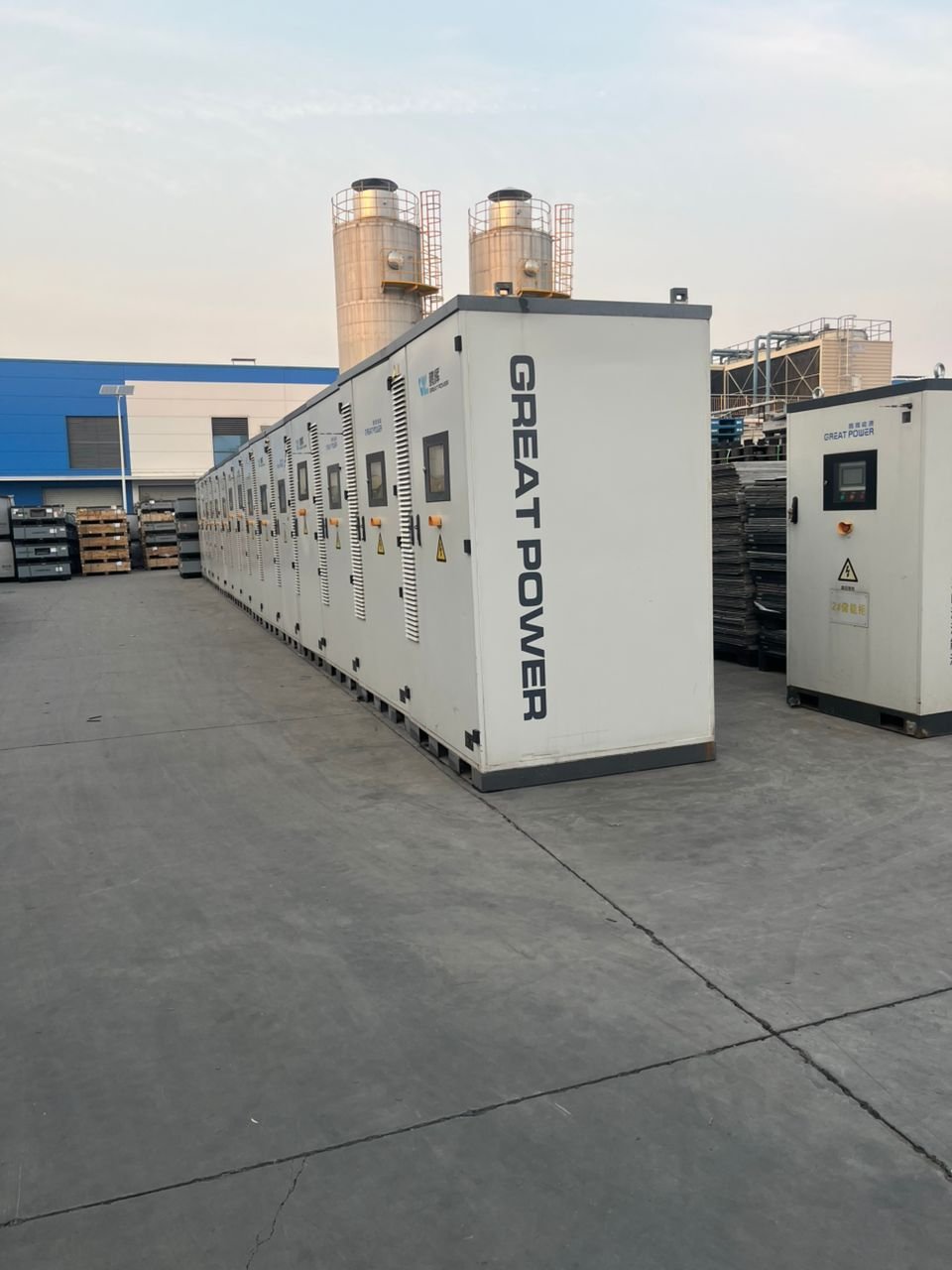
The energy landscape is shifting beneath our feet, and those who adapt will thrive while others struggle with outdated systems. Let me share how battery storage is reshaping entire industries.
From Grid Stability to Peak Shaving: How Battery Storage Optimizes Energy Management?
Problem: Energy costs spike unpredictably. Agitate: Peak demand charges devastate budgets. Solution: Smart battery systems level the playing field.
Battery storage optimizes energy management through peak shaving, load shifting, and demand response, reducing electricity costs by up to 50% while ensuring reliable power supply.
Understanding Peak Shaving and Load Management
I've witnessed firsthand how peak shaving2 transforms energy bills. It's like having a smart assistant that knows exactly when to tap into stored energy instead of paying premium rates. During peak hours when electricity prices soar, batteries discharge stored power, dramatically cutting demand charges.
Load shifting takes this concept further by storing energy during off-peak hours when rates are lowest, then releasing it when needed. Think of it as energy arbitrage—buying low and selling high, but with electricity.
| Strategy | Benefit | Typical Savings |
|---|---|---|
| Peak Shaving | Reduces demand charges | 20-40% |
| Load Shifting | Optimizes rate structures | 30-50% |
| Demand Response | Grid service revenue | 10-25% additional income |
Grid Stability and Frequency Regulation
Battery systems provide instantaneous response to grid fluctuations, something I find remarkable every time I see it in action. Unlike traditional generators that take minutes to respond, batteries react in milliseconds, providing essential grid services that utilities desperately need.
This capability creates new revenue streams through frequency regulation and spinning reserves. Industrial facilities can actually earn money by helping stabilize the grid while maintaining their own energy security.
Maximizing Your Energy Investment: The Undeniable Benefits of Integrating Battery Storage?
Problem: Energy investments lack clear returns. Agitate: Stakeholders demand proof of value. Solution: Battery storage delivers measurable ROI.
Battery storage integration delivers multiple benefits including cost reduction, energy independence3, sustainability improvements, and new revenue opportunities, typically achieving ROI within 3-7 years.
Financial Benefits and ROI Analysis
The numbers don't lie when it comes to battery storage returns. I've helped companies achieve payback periods as short as three years through strategic implementation. The key lies in stacking multiple value streams—peak shaving, demand response, backup power, and even solar optimization.
Energy independence becomes particularly valuable during grid outages. Manufacturing facilities that once faced costly shutdowns now maintain operations seamlessly, protecting both revenue and reputation.
Sustainability and Environmental Impact
Beyond financial gains, battery storage accelerates sustainability goals that increasingly matter to consumers and investors. By enabling higher renewable energy integration, batteries help companies reduce carbon footprints while meeting ESG commitments.
The environmental benefits extend beyond carbon reduction. Battery storage reduces strain on aging grid infrastructure, decreasing the need for new fossil fuel power plants and transmission lines.
What's Inside? Deconstructing the Core Technologies of Today's Energy Storage Solutions?
Problem: Technology choices overwhelm decision-makers. Agitate: Wrong selections waste millions. Solution: Understanding core technologies guides smart investments.
Modern energy storage relies primarily on lithium-ion technology4, with emerging alternatives like flow batteries and solid-state systems offering specialized advantages for specific applications.
Lithium-Ion Technology Dominance
Lithium-ion batteries dominate today's market for good reason. Their energy density, efficiency, and declining costs make them ideal for most applications. I've seen installation costs drop by over 70% in the past decade while performance continues improving.
The technology offers multiple chemistries, each optimized for different needs. Lithium iron phosphate (LFP) provides excellent safety and longevity for stationary storage, while nickel-based chemistries offer higher energy density for space-constrained applications.
| Technology | Energy Density | Cycle Life | Best Use Case |
|---|---|---|---|
| LFP | Moderate | 6,000+ cycles | Grid storage |
| NMC | High | 3,000+ cycles | Commercial/Industrial |
| LTO | Lower | 20,000+ cycles | Frequency regulation |
Emerging Technologies and Future Trends
Flow batteries represent an exciting frontier for long-duration storage. While currently more expensive per kWh, they excel in applications requiring 4+ hour discharge duration. Their ability to decouple power and energy ratings offers unique design flexibility.
Solid-state batteries promise even greater energy density and safety, though commercial deployment remains several years away. Meanwhile, advanced battery management systems5 continue improving performance and extending life of existing technologies.
Conclusion
Battery storage is transforming industries through optimized energy management, financial benefits, and advanced technologies that deliver measurable returns on investment.
Explore how energy storage batteries are revolutionizing industries by enhancing efficiency and sustainability. ↩
Discover how peak shaving can significantly reduce energy costs for businesses during peak demand. ↩
Find out how battery storage can help businesses achieve energy independence and resilience. ↩
Learn why lithium-ion technology is the leading choice for energy storage solutions today. ↩
Explore how advanced battery management systems enhance performance and longevity of energy storage solutions. ↩