Practical Guide to Energy Storage Batteries: Making Energy Use Simpler and More Efficient
Ever wondered how energy storage batteries could transform your power usage from chaotic to controlled?
Energy storage batteries1 stabilize power supply, store excess energy, and release it during outages or peak demand, making electricity usage more reliable and cost-effective for homes and businesses.
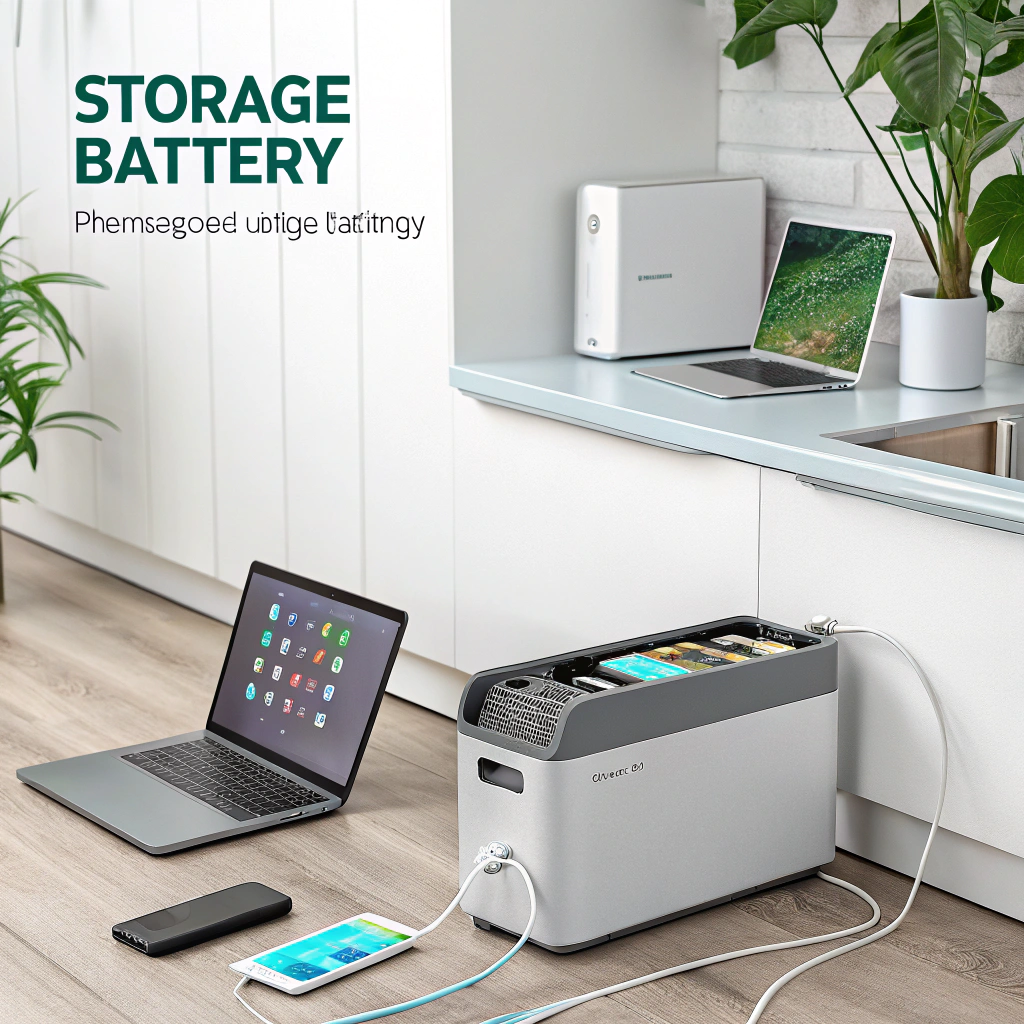
The potential of energy storage batteries goes beyond just backup power - they're revolutionizing how we manage and consume energy. Let's explore how these systems can address your specific energy challenges.
How Do Energy Storage Batteries Improve Electricity Reliability in Homes and Businesses?
Power outages and unstable grids costing you productivity and peace of mind?
Energy storage batteries1 provide uninterrupted power2 by storing electricity when available and supplying it during outages, ensuring continuous operation for critical appliances and business equipment.
Understanding the Reliability Benefits
Energy storage systems act as a buffer between your property and the grid:
| Scenario | Battery Function | Benefit |
|---|---|---|
| Grid failure | Instant switch to stored power | No interruption to essential loads |
| Renewable overproduction | Store excess solar/wind energy | 30-50% increased self-consumption |
| Voltage fluctuations | Stabilize power quality | Protect sensitive electronics |
Deep Cycle Capability3: Modern lithium batteries handle 5000+ cycles at 90% depth of discharge, outperforming traditional lead-acid batteries (typically 500 cycles at 50% DoD). This means years of reliable service with proper maintenance.
Smart Energy Management[^4]: Advanced systems like the Tesla Powerwall or LG Chem RESU automatically prioritize power to critical circuits during outages while managing state-of-charge to extend battery life.
How Do Energy Storage Batteries Handle Power Outages and Peak-Valley Load Fluctuations?
Tired of paying premium rates during peak hours and suffering through blackouts?
Batteries automatically discharge during outages and high-rate periods, while charging when demand and prices are low, smoothing out energy costs and availability.
Peak Shaving and Load Shifting Mechanics
-
- Charges during off-peak (e.g., 12AM-6AM at $0.08/kWh)
- Discharges during peak (e.g., 4PM-9PM at $0.28/kWh)
- Typical savings: 20-40% on energy bills
-
Outage Response:
- 10-30ms switchover time (faster than generators)
- Scalable capacity (4kWh residential to MWh-scale commercial)
-
Grid Services[^6]:
- Frequency regulation
- Voltage support
- Demand charge reduction for businesses
Flexible Applications of Energy Storage Batteries: Solutions for Different Scales and Scenarios
Need an energy solution that adapts to your specific situation?
Energy storage systems scale from small residential units to grid-scale installations, with configurations optimized for emergency backup, renewable integration, or commercial load management.
Application Matrix
| Scenario | Recommended Solution | Key Features |
|---|---|---|
| Home backup | 10-20kWh lithium system | 5-10kW power, solar coupling |
| Off-grid cabin | 5-10kWh with charge controller | Deep cycle, low-temp operation |
| Commercial peak shaving | 50-500kWh modular rack | Demand charge management |
| Utility-scale | Containerized MWh systems | Grid services integration |
Hybrid Systems[^7]: Combining batteries with generators creates resilient microgrids - batteries handle instant loads while generators recharge them during prolonged outages.
Conclusion
Energy storage batteries1 deliver reliability, cost savings, and flexibility, transforming how we access and use power across all scales.