Practical Guide to PV + Energy Storage Systems in Cold Regions
Struggling to keep your PV system efficient in freezing temperatures? Cold climates pose unique challenges, but with the right approach, you can maximize performance.
To ensure optimal performance of PV + energy storage systems in cold regions, select low-temperature compatible components, insulate critical parts, and implement regular maintenance to prevent efficiency losses.
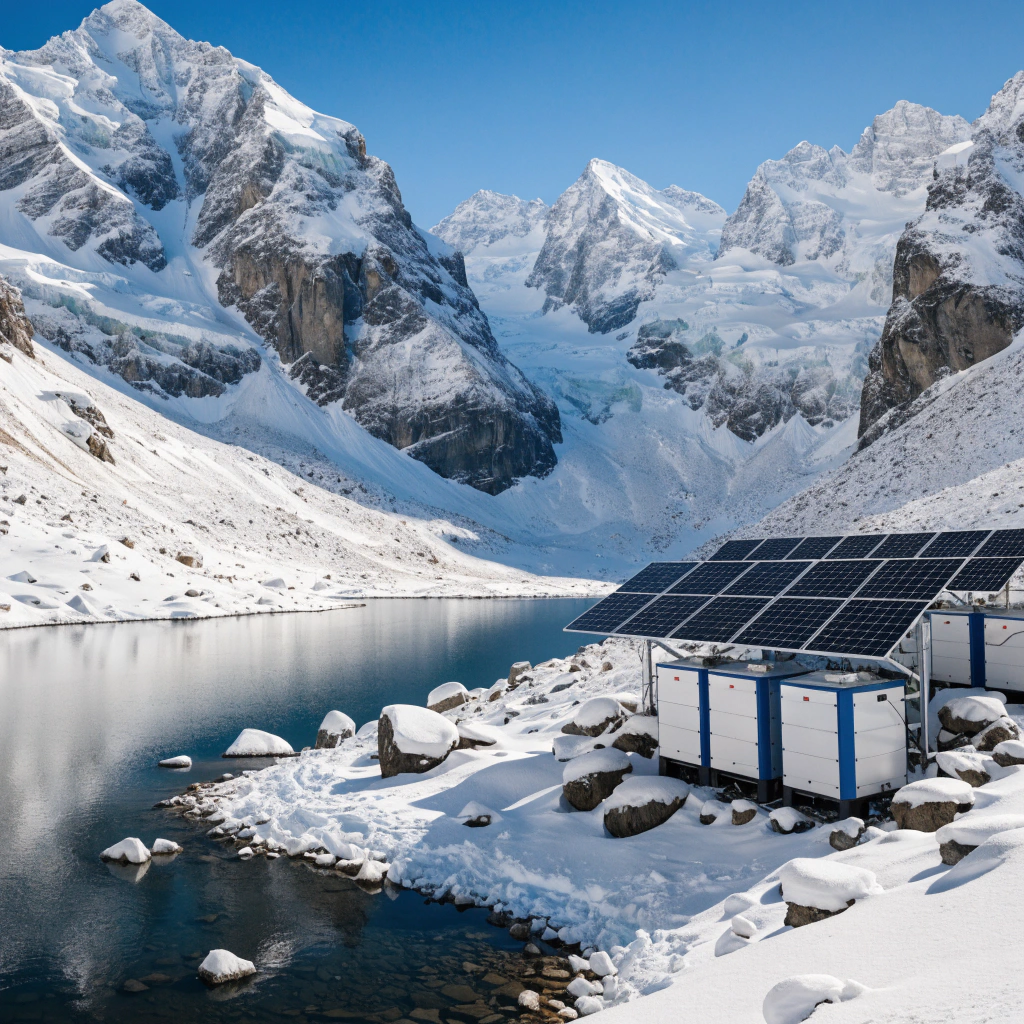
Cold weather doesn’t have to freeze your solar ambitions. Let’s dive into actionable strategies to keep your system running smoothly even in sub-zero conditions.
How to Choose PV Modules and Batteries for Low-Temperature Conditions?
Ever wondered why some PV systems fail in freezing weather while others thrive? The secret lies in component selection.
For cold climates, choose monocrystalline PV modules (higher low-light efficiency) and lithium iron phosphate (LiFePO4) batteries, which perform better in low temperatures than traditional lead-acid batteries.
Key Considerations for Cold-Climate Components
-
PV Modules
- Monocrystalline panels outperform polycrystalline in cold, low-light conditions due to higher efficiency (18–22%).
- Look for modules with a low temperature coefficient (e.g., -0.3%/°C) to minimize power loss in freezing temps.
-
Battery Selection
- LiFePO4 batteries operate efficiently at -20°C to 60°C, while lead-acid batteries lose 50% capacity below -10°C.
- Opt for batteries with built-in heating systems (e.g., Tesla Powerwall) to prevent freezing damage.
| Component | Cold-Climate Recommendation | Avoid |
|---|---|---|
| PV Module | Monocrystalline, low temp coefficient | Thin-film, polycrystalline |
| Battery | LiFePO4 with heating | Standard lead-acid |
Pro Tip: Install tilt mounts for PV panels to shed snow accumulation, ensuring consistent energy production.
Monocrystalline panels are ideal for cold climates.
✅ True – Higher efficiency and better low-light performance make them superior for cold regions.
Lead-acid batteries outperform LiFePO4 in freezing temps.
❌ False – Lead-acid batteries suffer significant capacity loss below -10°C.
Installation Tips for Inverters and Storage Systems in Extreme Cold
Why do inverters fail in Arctic winters? Poor installation practices are often to blame.
Protect inverters and batteries by installing them in insulated enclosures, using cold-rated cables, and ensuring proper ventilation to prevent condensation buildup.
Cold-Weather Installation Checklist
-
Inverter Placement
- Install indoors or in heated enclosures (maintain >0°C).
- Use microinverters (less susceptible to cold than string inverters).
-
Battery Storage
- Place batteries in insulated cabinets with thermal pads.
- Avoid direct ground contact to prevent heat loss.
-
Wiring & Connectors
- Use cold-flexible cables (rated for -40°C).
- Seal connections with waterproof, low-temperature junction boxes.
Case Study: A solar farm in Alaska reduced downtime by 30% after relocating inverters to a climate-controlled shed.
Inverters should always be installed outdoors in cold climates.
❌ False – Outdoor installations risk freezing; indoor/heated enclosures are preferred.
Microinverters handle cold better than string inverters.
✅ True – Decentralized microinverters reduce single-point failure risks.
Daily Maintenance and Troubleshooting for Cold-Region PV + Storage Systems
What’s the #1 cause of winter PV system failure? Neglecting simple maintenance.
Daily maintenance includes clearing snow from panels, checking battery charge levels, and inspecting for ice damage to wiring. Use resistive heating blankets for batteries in extreme cold.
Winter Maintenance Routine
-
Snow Removal
- Use soft brushes or automated snow-melting systems (e.g., embedded heating elements).
- Avoid sharp tools to prevent panel scratches.
-
Battery Care
- Monitor state of charge (keep above 20% to prevent freezing).
- Apply thermal wraps if temps drop below -20°C.
-
Troubleshooting Common Issues
- Low Output: Check for snow cover or faulty bypass diodes.
- Battery Failure: Test internal heaters and connections.
Tool Kit Essentials:
- Infrared thermometer (check panel temps).
- Insulation resistance tester (detect wiring cracks).
Snow reduces PV panel efficiency by 100% if not cleared.
✅ True – Even thin snow layers can block sunlight entirely.
Batteries can freeze if discharged below 20% in cold weather.
✅ True – Lead-acid and LiFePO4 batteries risk damage when fully discharged in sub-zero temps.
Conclusion
For reliable PV + storage in cold regions, prioritize cold-rated components, insulated installations, and proactive winter maintenance to combat efficiency losses.