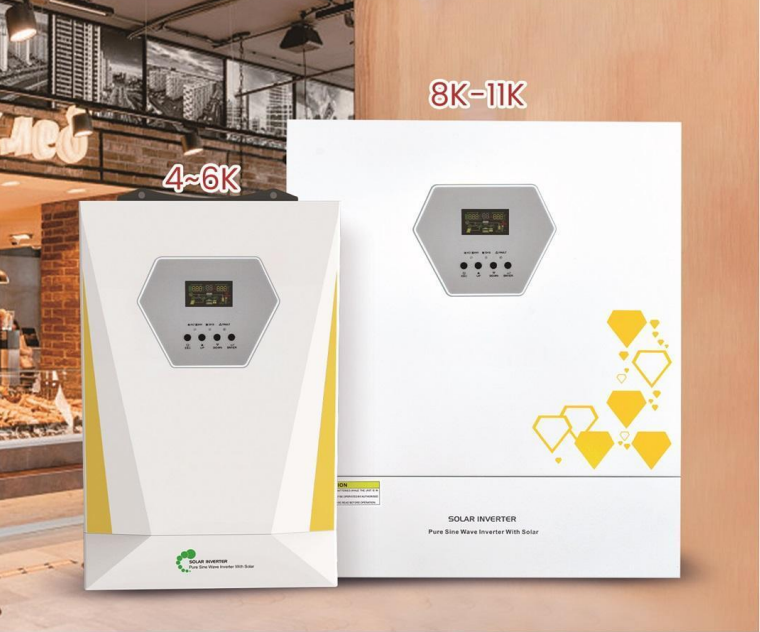
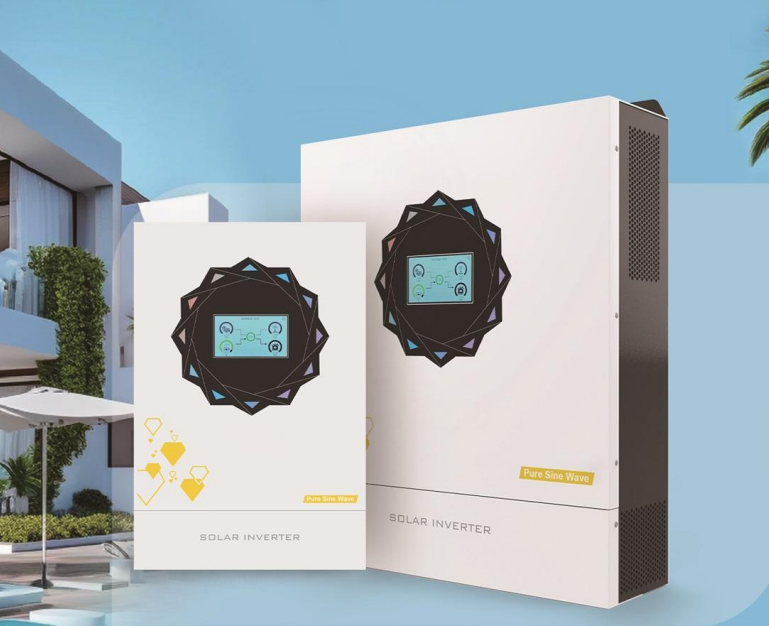
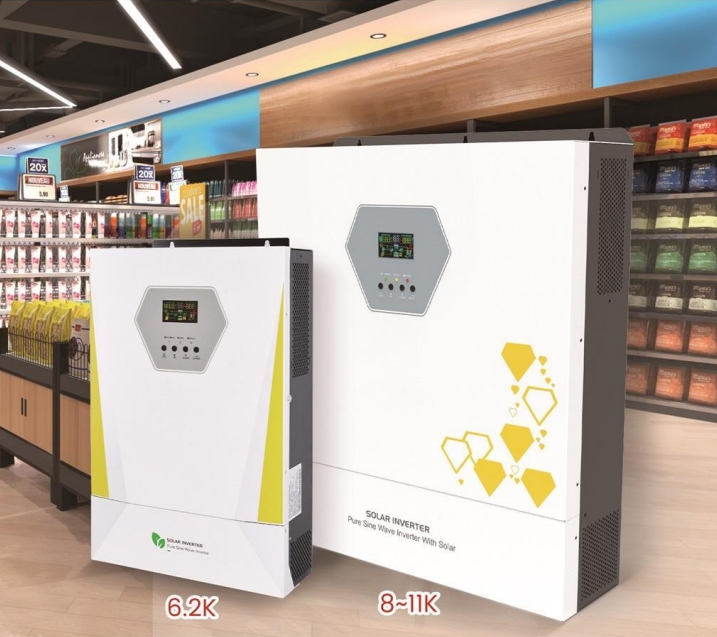
Beyond Conversion: The Intelligent Heart of Your Green Energy System. Maximize Efficiency, Stability, and Savings with Every Ray of Sunlight.
Welcome to the new era of clean energy. As sunlight bathes your rooftop, our Smart Solar Inverter acts as the “brain” of your entire photovoltaic system, silently and efficiently converting every photon of light into stable, usable electricity for your home. It’s more than a device; it’s your key to significant savings on electricity bills, achieving energy independence, and making a tangible contribution to a sustainable planet.
Core Features
1. Ultra-High Conversion Efficiency: Squeeze Every Watt from the Sun
2. Intelligent MPPT Tracking: Conquer the Shadows. Equipped with dual/multi-MPPT (Maximum Power Point Tracking) channels powered by a high-speed intelligent algorithm.
3. Smart Energy Management: Standard built-in Wi-Fi/4G communication module with a user-friendly mobile app and cloud monitoring platform.
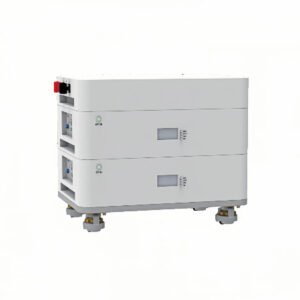
4. Future-Ready Flexibility: Wide DC input voltage range for compatibility with all mainstream high-efficiency PV modules and a dedicated interface for battery storage (Hybrid models only).
5. User-Centric Design: Effortless Installation & Operation. Compact and lightweight construction with plug-and-play external connectors.
Application Scenarios
Residential Homes: Perfect for villas and apartment rooftops to power homes, reducing bills and selling surplus energy back to the grid.
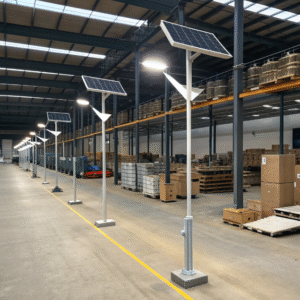
Small Commercial & Industrial (C&I): Ideal for factories, office buildings, hotels, and supermarkets to lower operational costs and enhance their green credentials.
Solar Carports & Sunrooms: Transform unused spaces into power-generating assets to charge EVs or supply household electricity.
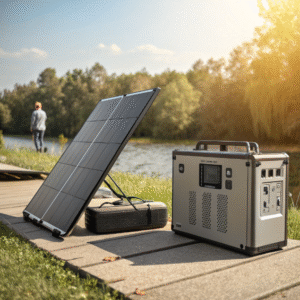
Off-Grid & Remote Areas: Pair with a battery bank to provide a stable and reliable power source where no grid is available.
Guide to Key Solar Inverter Classifications
To help you make an informed decision, it’s helpful to understand how inverters are classified. They can be categorized from different perspectives, each defining their specific function and ideal application.
1. By Grid Connection
This is the most fundamental classification, determining the inverter’s operating mode.
Grid-Tied (On-Grid) Inverter
Definition: Converts solar DC power into AC power that synchronizes with the public grid. It relies on the grid to operate and shuts down during a grid outage for safety.
Application: The most common type, used in most residential and commercial projects aiming to save on electricity bills and sell excess power to the grid.
Off-Grid Inverter
Definition: Operates independently in areas without grid access. It stores solar energy in batteries and then converts it to AC power for loads, forming a standalone micro-grid.
Application: Remote areas, islands, communications base stations, RVs, and other off-grid scenarios.
Hybrid Inverter
Definition: Combines the functions of both on-grid and off-grid inverters. It can operate in grid-tied mode and also connect to a battery bank, switching to backup power mode during a grid outage.
Application: For users who demand high power reliability, wish to achieve energy self-sufficiency, and want to leverage time-of-use electricity pricing. This is the core of modern home energy management and the trend of the future.
2. By System Architecture
This determines how the inverter connects to the solar panels.
Central Inverter
Definition: A single, large-capacity inverter that consolidates power from numerous solar strings.
Application: Primarily used in large-scale, utility-grade solar farms and massive commercial rooftop projects (megawatt-level).
String Inverter
Definition: Converts DC power from one or more “strings” (a series of connected panels).
Application: The mainstream choice for residential and small-to-medium commercial projects, offering a balance of cost-effectiveness and flexibility.
Microinverter
Definition: A small inverter installed on the back of each individual solar panel, performing DC to AC conversion at the panel level.
Application: Ideal for complex roof layouts, roofs with partial shading issues, or a desire for maximum possible energy harvest.
3. By AC Output Phase
This depends on the electrical standard in your region.
Single-Phase Inverter
Definition: Outputs single-phase AC power (e.g., 220V/230V), typically with one live wire (L) and one neutral wire (N).
Application: The standard for residential electricity in most countries, suitable for most homes.
Three-Phase Inverter
Definition: Outputs three-phase AC power (e.g., 380V/400V), consisting of three live wires.
Application: Used for commercial applications or in some residential properties (common in Europe and Australia) that power heavy-duty equipment.
Split-Phase Inverter
Definition: A special type of single-phase system that outputs two live wires and one neutral, providing two voltages (e.g., 120V/240V).
Application: Primarily used for residential electricity in North America (e.g., USA, Canada).