Protect Your Home & Family: Why a Reliable Power Outage Battery Backup is Non-Negotiable?
Imagine being plunged into darkness during a storm, with no power for medical devices1 or food preservation. Scary, right?
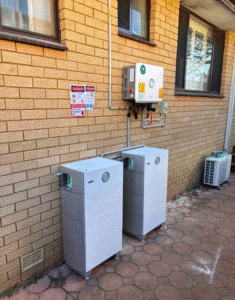
A reliable power outage battery backup2 is essential for maintaining safety, comfort, and functionality during blackouts, protecting your home's critical systems and giving you peace of mind when the grid fails.
When the lights go out, most people reach for flashlights—but what about your refrigerator, medical equipment, or security system? Let’s explore why a battery backup isn’t just a luxury—it’s a necessity.
Never Be Left in the Dark Again: Your Ultimate Guide to Power Outage Battery Backup
Ever wondered how long your essentials would last if the power went out for days?
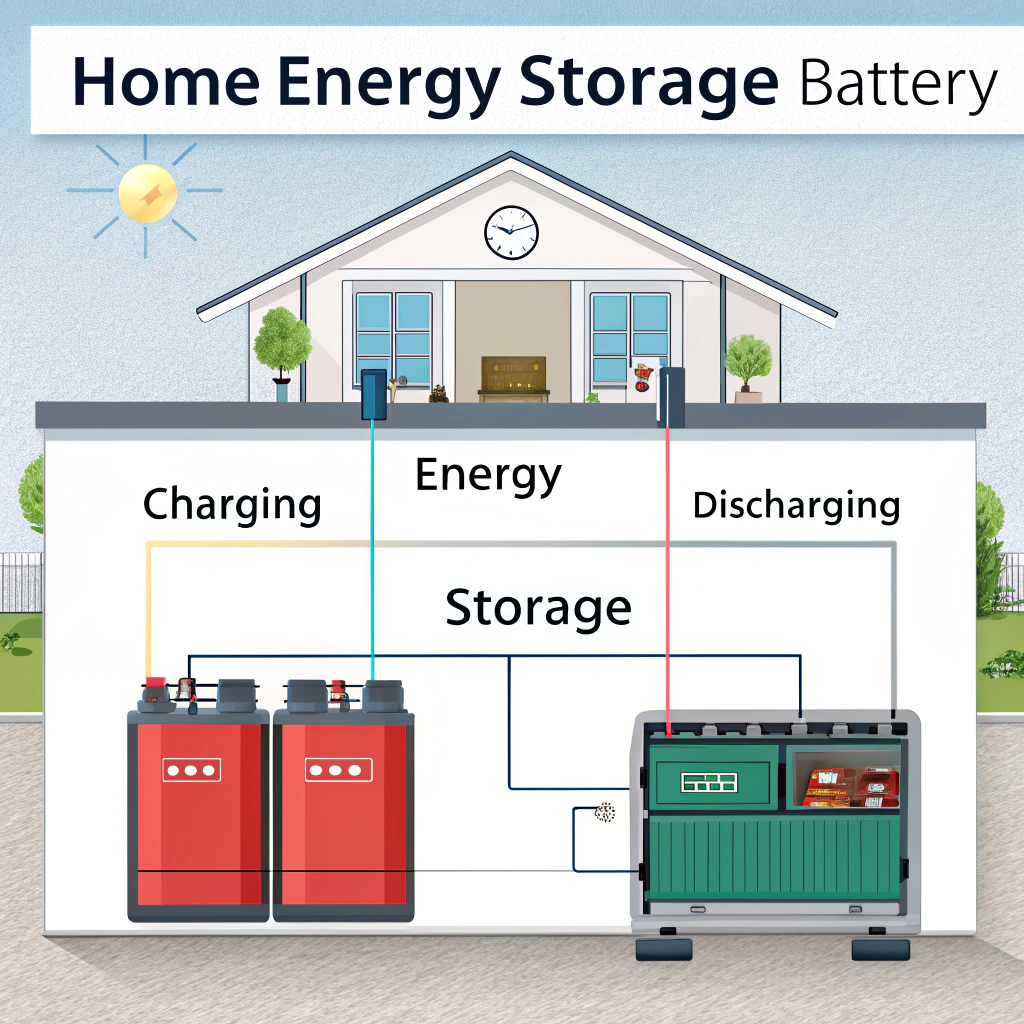
A well-chosen battery backup system keeps lights on, devices charged, and appliances running during outages, ensuring your family stays safe and connected until power is restored.
Choosing the Right Backup System
Not all battery backups are created equal. Here’s what to consider:
- Capacity (kWh): How long do you need power?
- Output (Watts): What appliances must stay on?
- Type: Lithium-ion (long lifespan) vs. Lead-acid (budget-friendly).
| Need | Recommended Capacity |
|---|---|
| Basic lighting/charging | 2–5 kWh |
| Refrigerator + Wi-Fi | 5–10 kWh |
| Whole-home backup | 10+ kWh |
For medical devices, always opt for a system with uninterruptible power supply (UPS)3 capability to prevent dangerous gaps in power.
Beyond Flashlights: How Battery Backup Keeps Your Essential Appliances Running During an Outage
What happens when your sump pump fails during a flood, or your CPAP machine shuts off mid-sleep?
A battery backup ensures critical appliances—like refrigerators, medical devices, and sump pumps—remain operational during outages, preventing costly damage and health risks.
Appliances You Should Never Leave Unprotected
- Refrigerators/Freezers – Avoid spoiled food (average outage cost: $250+ in lost groceries).
- Medical Equipment – Life-saving devices like oxygen machines must stay on.
- Sump Pumps – Prevent basement flooding during storms.
- Security Systems – Keep cameras and alarms active.
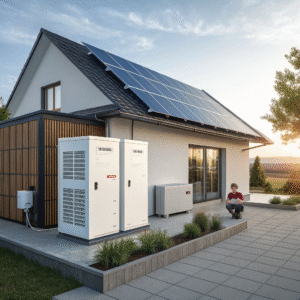
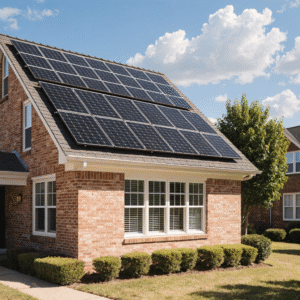
Pro Tip: Pair your battery with solar panels4 for indefinite backup during prolonged outages.
Power Outage Battery Backup Buyer's Guide: What Size & Type Do You Really Need?
Overwhelmed by technical specs? Let’s simplify your buying decision.
The right battery backup depends on your power needs: small units (300W) suffice for phones/laptops, while whole-home systems (10+ kWh) support major appliances indefinitely with solar pairing.
Battery Backup Comparison
| Type | Pros | Cons | Best For |
|---|---|---|---|
| Portable | Affordable, easy to move | Limited capacity | Phones, laptops |
| Home Battery | Powers essentials for hrs | Higher upfront cost | Fridges, medical devices |
| Solar + Battery | Off-grid capability | Requires installation | Long-term outages |
Key Features to Look For:
- Pure sine wave output (safe for sensitive electronics).
- Expandable capacity (for future needs).
- Automatic switchover (no delay when power fails).
Conclusion
A reliable battery backup isn’t optional—it’s your family’s lifeline during outages. Invest wisely, and never fear the dark again.
Find out which medical devices are critical to keep running during outages to safeguard health and well-being. ↩
Understanding the significance of a power outage battery backup can help you make informed decisions for your family's safety. ↩
Learn how a UPS can protect your critical devices from power interruptions, ensuring safety and functionality. ↩
Explore the benefits of pairing solar panels with battery backups for sustainable and reliable power during outages. ↩