Self-Sufficient Shine: How Integrated Solar Street Lights Offer Uninterrupted Illumination All Year Round?
Problem: Urban areas struggle with unreliable street lighting that fails during outages, leaving communities in darkness and compromising safety.
Integrated solar street lights provide continuous illumination through self-contained energy systems, combining solar panels, batteries, and LED fixtures for reliable, year-round operation without grid dependency.
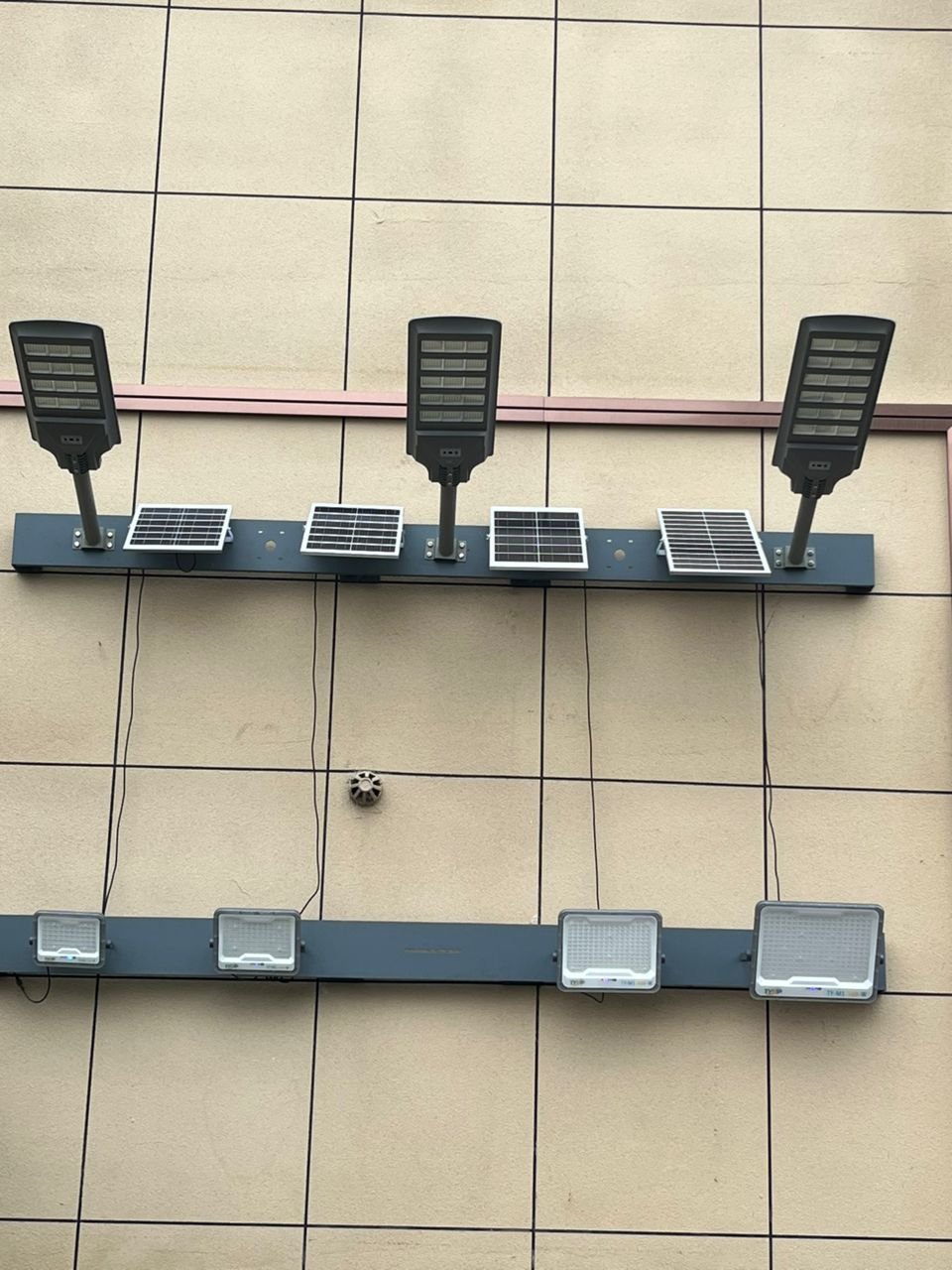
The shift towards sustainable urban infrastructure has never been more critical. As cities worldwide grapple with energy costs and reliability issues, integrated solar street lights1 emerge as a beacon of hope, promising uninterrupted illumination that transforms how we think about public lighting.
Adaptive Brilliance: How Motion-Sensing Solar Street Lights Optimize Energy and Performance?
Challenge: Traditional solar lights waste energy by operating at full capacity even when areas are empty, reducing battery life and efficiency.
Motion-sensing solar street lights automatically adjust brightness levels based on pedestrian and vehicle movement, extending battery life by up to 60% while maintaining optimal safety illumination.
Smart Energy Management Through Advanced Sensors
The integration of PIR (Passive Infrared) sensors revolutionizes how solar street lights consume energy. These intelligent systems operate on a dimming protocol, maintaining 30% brightness during inactive periods and boosting to 100% when motion is detected within a 15-meter radius. This adaptive approach significantly extends operational hours, especially during winter months when solar charging is limited.
The technology employs a sophisticated algorithm that learns traffic patterns, adjusting sensitivity based on location-specific data. For instance, residential areas might maintain lower baseline illumination compared to busy intersections. This customization ensures energy conservation2 without compromising safety standards.
| Feature | Standard Mode | Motion-Activated Mode | Energy Savings |
|---|---|---|---|
| Brightness Level | 100% constant | 30% baseline, 100% on motion | 60-70% |
| Battery Duration | 8-10 hours | 12-16 hours | 50% increase |
| Sensor Range | N/A | 8-15 meters | Customizable |
Green Light for Progress: Powering Public Spaces Sustainably with Solar Street Lighting?
Issue: Cities face mounting pressure to reduce carbon footprints while maintaining essential infrastructure services and managing tight budgets.
Solar street lighting eliminates grid dependency, reduces carbon emissions by 80%, and offers zero operational costs after installation, supporting sustainable urban development3 goals.
Environmental Impact and Sustainability Metrics
The environmental benefits of solar street lighting extend far beyond simple energy savings. Each integrated unit prevents approximately 1,500 kg of CO2 emissions annually compared to conventional grid-powered alternatives. This reduction stems from both the clean energy generation and the elimination of transmission losses inherent in centralized power distribution.
Modern solar street lights incorporate recyclable materials and designed-for-disassembly principles, ensuring minimal environmental impact at end-of-life. The LED components alone last 50,000+ hours, reducing replacement frequency and associated maintenance emissions. Battery technology has evolved to include lithium iron phosphate (LiFePO4)4 options, offering longer lifespans and safer disposal characteristics.
Water conservation represents another crucial benefit, as solar installations require minimal maintenance water compared to traditional power plant operations. The decentralized nature of solar lighting also reduces infrastructure stress, eliminating the need for extensive cable networks that often require environmentally disruptive installation processes.
| Impact Category | Solar Street Light | Traditional Grid Light | Improvement |
|---|---|---|---|
| Annual CO2 Emissions | 0 kg | 1,500 kg | 100% reduction |
| Maintenance Frequency | Bi-annual | Monthly | 83% reduction |
| Infrastructure Requirements | Minimal | Extensive cabling | 90% reduction |
Smart Cities Start Here: The Role of AI-Powered Solar Street Lights in Urban Development?
Complexity: Modern cities need intelligent infrastructure that adapts to real-time conditions while providing data for urban planning decisions.
AI-powered solar street lights5 create interconnected networks that monitor environmental conditions, traffic patterns, and energy performance, enabling data-driven urban management and predictive maintenance.
Integration with Smart City Infrastructure
AI-enhanced solar street lights serve as multifunctional urban nodes, extending beyond illumination to become comprehensive sensing platforms. These systems integrate weather monitoring, air quality sensors, traffic counting capabilities, and emergency communication features. The collected data streams to centralized management systems, providing city planners with unprecedented insights into urban dynamics.
The artificial intelligence component enables predictive maintenance, analyzing performance patterns to forecast component failures before they occur. Machine learning algorithms optimize energy consumption based on historical usage patterns, weather forecasts, and real-time conditions. This proactive approach reduces maintenance costs by 40% and ensures consistent performance.
Connectivity protocols include 5G, LoRaWAN, and mesh networking capabilities, allowing lights to communicate with each other and central command systems. During emergencies, the network can prioritize critical routes, adjust brightness for evacuation procedures, or serve as communication relay points for first responders.
Advanced features include facial recognition for security applications, noise monitoring for urban planning, and integration with electric vehicle charging infrastructure. Some models incorporate digital displays for public information, transforming static lighting into dynamic communication platforms.
| AI Feature | Functionality | Urban Benefit |
|---|---|---|
| Predictive Maintenance | Failure forecasting | 40% cost reduction |
| Traffic Analytics | Movement pattern analysis | Optimized urban planning |
| Environmental Monitoring | Air quality, noise tracking | Health data collection |
| Emergency Response | Priority routing, communication | Enhanced public safety |
The convergence of artificial intelligence, renewable energy, and urban infrastructure represents a fundamental shift toward truly smart cities. These integrated systems demonstrate how sustainable technology can enhance both environmental performance and quality of life.
Conclusion
Integrated solar street lights deliver reliable, sustainable illumination through smart technology, supporting both environmental goals and urban development needs.
Explore how integrated solar street lights can enhance urban safety and sustainability. ↩
Find out how energy conservation strategies can improve urban infrastructure and reduce costs. ↩
Explore the principles of sustainable urban development and the role of solar lighting. ↩
Discover why LiFePO4 batteries are preferred for solar street lighting. ↩
Explore the innovative features of AI-powered solar street lights and their urban benefits. ↩