Simplify Your Energy Strategy: How Solar PV Streamlines Operations & Reduces Complexity for Factories?
Struggling with rising energy costs and complex power management? Solar PV1 offers factories a streamlined solution that cuts expenses while simplifying operations.
Solar PV systems streamline factory operations2 by providing predictable energy costs, reducing grid dependency, and simplifying power management through automated monitoring systems3 that require minimal maintenance intervention.
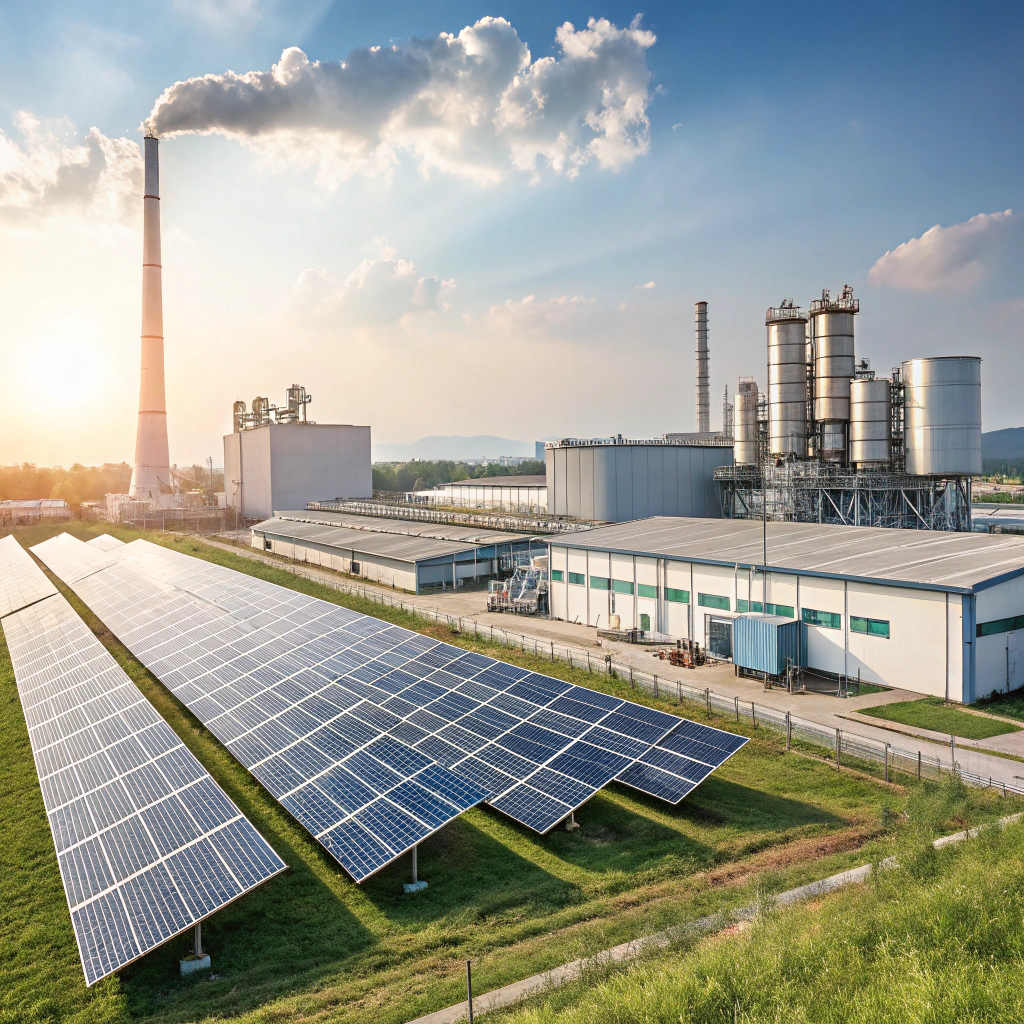
When I first considered solar for our manufacturing facility, the complexity seemed overwhelming. But what I discovered was quite the opposite—solar PV actually simplified our entire energy strategy while delivering remarkable cost savings. Let me walk you through how this technology can transform your factory's operations without the headaches you might expect.
No Expertise Required: A Beginner's Guide to Integrating Solar Power into Your Manufacturing Plant?
Think solar installation requires deep technical expertise? Modern solar solutions are designed for manufacturing leaders, not energy engineers.
Integrating solar power into manufacturing plants requires no specialized expertise, as turnkey solutions include professional assessment, design, installation, and ongoing maintenance through experienced solar providers.
The beauty of today's solar integration lies in its simplicity. I remember feeling intimidated by technical specifications and system designs, but modern solar providers handle everything from initial energy audits to final commissioning. The process typically involves three straightforward phases: assessment (where professionals evaluate your facility's energy consumption patterns), design (creating a customized system layout), and installation (handled entirely by certified technicians). What surprised me most was how little disruption occurred during installation—production continued normally while crews worked on rooftops and designated areas. The monitoring systems are particularly user-friendly, providing real-time data through simple dashboards that anyone can understand. No need for specialized training or hiring energy experts.
| Phase | Duration | Your Involvement |
|---|---|---|
| Assessment | 1-2 weeks | Provide utility bills |
| Design | 2-3 weeks | Review and approve |
| Installation | 4-8 weeks | Minimal oversight |
From Assessment to Activation: Your Factory's Simple Roadmap to Going Solar?
Wondering about the actual steps from initial consultation to flipping that solar switch? The roadmap is surprisingly straightforward.
The solar activation roadmap involves initial energy assessment, system design, permitting, installation, and grid connection4—typically completed within 3-6 months with professional guidance handling complex procedures.
Having guided several facilities through this process, I can tell you the roadmap is more like following GPS directions than navigating uncharted territory. The journey begins with a comprehensive energy audit where professionals analyze your consumption patterns, peak demand periods, and roof conditions. Next comes system design—tailored specifically to your facility's needs and optimized for maximum efficiency. The permitting phase, which used to be a nightmare, is now handled entirely by your solar provider who understands local regulations inside and out. Installation typically occurs during planned maintenance periods to minimize disruption. The final step—grid connection and system activation—feels incredibly satisfying when you see those first kilowatt-hours being generated. Throughout this entire process, project managers provide regular updates, ensuring you're never left wondering what's happening next.
The Global Shift: Why Factories Worldwide Are Making Solar Their Preferred Energy Choice?
Ever wondered why manufacturing giants from Germany to China are rapidly adopting solar? The reasons go beyond just cost savings.
Factories worldwide choose solar for energy cost predictability, reduced carbon footprints, energy independence, and competitive advantages in sustainability-focused markets5 while meeting corporate environmental goals.
The global manufacturing shift toward solar represents more than an energy trend—it's a strategic business evolution. I've witnessed firsthand how factories in various countries benefit from energy price stability, protecting themselves from volatile utility rates that can devastate profit margins. Environmental regulations are tightening worldwide, making solar adoption not just beneficial but often necessary for compliance. Major corporations now require suppliers to meet sustainability benchmarks, creating competitive pressure that solar adoption helps address. The financial incentives vary by region but consistently favor solar investment through tax credits, accelerated depreciation, and grants. Perhaps most compelling is the energy security aspect—reducing dependence on grid power means protection against outages and supply disruptions. Countries like Germany and China have demonstrated that large-scale solar adoption actually strengthens manufacturing competitiveness rather than hindering it.
| Global Benefit | Business Impact |
|---|---|
| Cost Predictability | Stable operating budgets |
| Regulatory Compliance | Market access maintained |
| Energy Security | Reduced operational risk |
| Competitive Advantage | Preferred supplier status |
Conclusion: Solar PV transforms factory energy management from complex cost center into streamlined competitive advantage through simplified installation, predictable savings, and minimal operational complexity.
Explore how Solar PV can significantly reduce energy costs and streamline operations for factories. ↩
Learn about the ways solar energy can simplify and enhance factory operations. ↩
Understand how automated monitoring systems work and their role in solar PV efficiency. ↩
Explore the grid connection process and its role in activating solar energy systems. ↩
Learn about the significance of sustainability-focused markets and how they influence factory operations. ↩