Storage Makes Solar Smarter: Improving Energy Utilization and System Reliability?
Solar energy is abundant but intermittent - can storage solutions unlock its full potential?
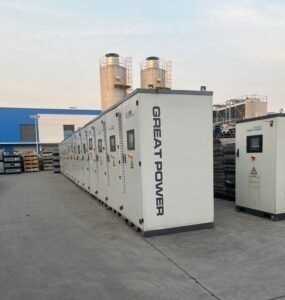
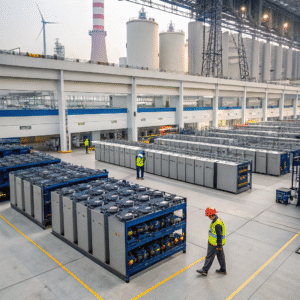
Energy storage systems1 maximize solar utilization by storing excess daytime production for nighttime use, smoothing power fluctuations, and providing backup during outages - making PV systems more reliable and valuable.
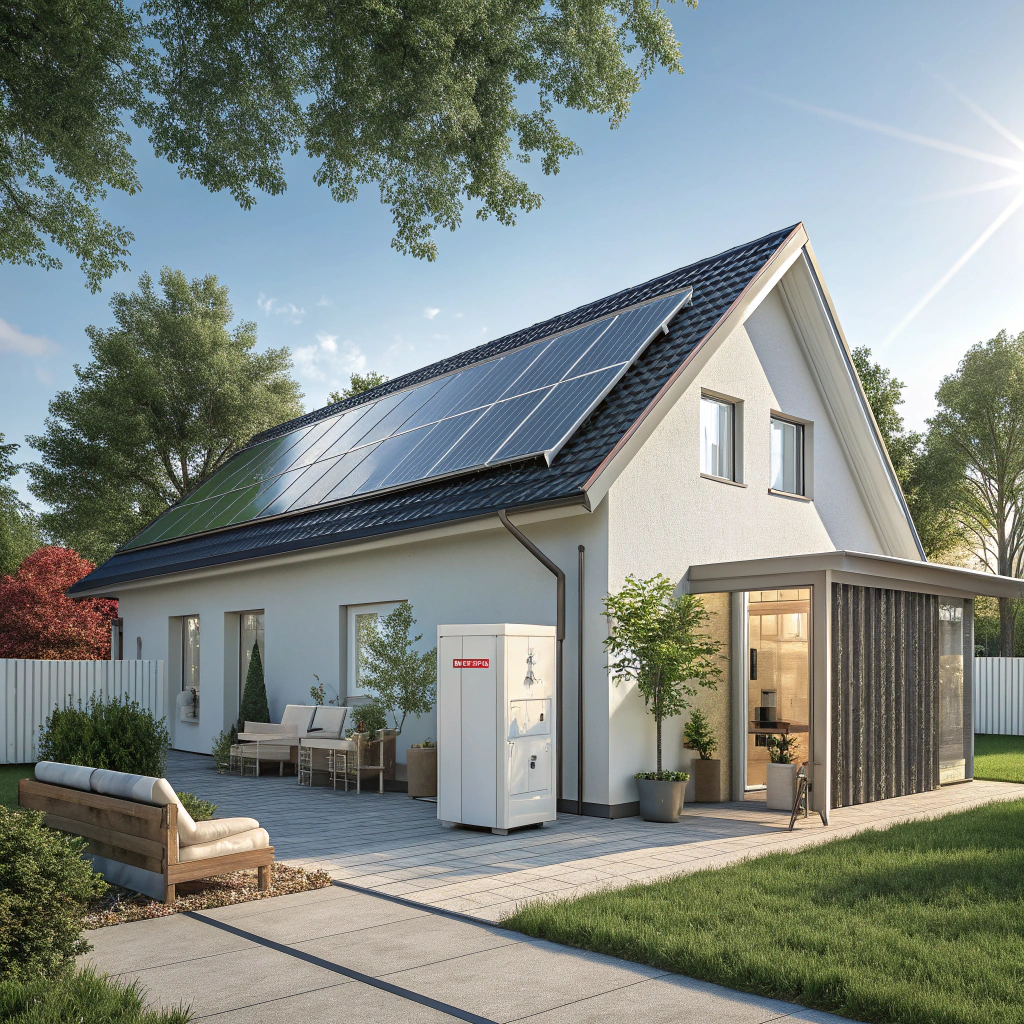
The sun doesn't always shine when we need power most. Let's explore how storage transforms solar from an intermittent resource into a reliable energy solution.
How Batteries Increase PV Energy Utilization: Maximizing the Value of Solar Generation?
Ever wonder why your solar panels sometimes seem wasted when the grid doesn't need their power?
Batteries capture excess solar generation2 that would otherwise be curtailed, storing it for later use when production drops - increasing self-consumption3 from 30% to 80%+ and dramatically improving ROI.
The Economics of Solar Self-Consumption
Without storage:
- Average home uses only 30% of solar production directly
- 70% gets exported to grid at low feed-in tariffs
- Significant energy value lost
With storage:
- Store daytime excess for evening use
- Increase self-consumption3 to 80%+
- Reduce grid purchases by 60%
| Scenario | Self-Consumption | Grid Reliance | Value Capture |
|---|---|---|---|
| No Storage | 30% | 70% | Low |
| With Storage | 80%+ | 20% | High |
Technical Implementation
Lithium-ion batteries[^4] dominate residential storage with:
- 90-95% round-trip efficiency
- 10+ year lifespan
- Smart energy management integration
Advanced systems now offer:
- AI-powered consumption forecasting
- Time-of-use optimization
- Grid services participation
Batteries can double solar value capture. True
Storage enables using 80%+ of solar generation versus 30% without.
All solar systems need batteries. False
Storage adds most value where grid exports are poorly compensated.
Where Are PV Weaknesses? How Storage Compensates for Clouds, Nighttime, and Power Fluctuations?
Solar's intermittency creates reliability challenges - can storage fill the gaps?
Storage solves solar's three main weaknesses: overnight power loss (100% coverage), cloud-induced drops[^5] (instant response), and voltage fluctuations (millisecond stabilization) - creating firm, dispatchable renewable energy.
Addressing Solar's Limitations
-
Nighttime Operation
- Batteries provide 4-12 hours backup
- Smart systems preserve critical loads
- Can be sized for whole-home backup
-
Cloud Cover Compensation
- Instantaneous discharge when production dips
- Seamless transition maintains power quality
- No flicker or voltage drops
-
Grid Stability[^6]
- Frequency regulation capabilities
- Ramp rate control
- Voltage support functions
System Sizing Considerations
Typical residential configurations:
- 5-20kWh storage capacity
- 5-10kW power rating
- Scalable modular designs
Commercial systems may feature:
- DC-coupled architectures
- Multi-hour storage duration
- Advanced grid-forming inverters
Storage can eliminate solar intermittency. True
Properly sized systems provide 24/7 solar power availability.
All storage systems provide whole-home backup. False
Backup capability depends on system size and configuration.
The Importance of Storage for Critical Loads: Giving PV Systems Real Backup Power Capability?
When the grid fails, most solar systems shut down too - how can storage change this?
Storage enables solar systems to island and power critical loads during outages, providing true energy resilience with automatic transfer switching and prioritized load management - unlike grid-tied-only PV.
Backup Power Architecture[^7]
Key components:
- Battery storage - energy reservoir
- Smart inverter - forms microgrid
- Transfer switch - isolates from grid
- Load panel - prioritizes circuits
Implementation Considerations
- Critical load identification (fridge, medical, comms)
- Sizing for outage duration (typically 8-24 hours)
- Generator integration options
- Maintenance requirements
Advanced Features
New systems offer:
- Storm watch mode (pre-charging)
- Remote monitoring/control
- Community resilience networks[^8]
- Grid-reconnection synchronization
Solar+storage provides better backup than generators. True
Silent, automatic, fuel-free operation with solar recharge.
All solar systems work during outages. False
Only storage-equipped systems can safely island.
Conclusion
Energy storage transforms solar from intermittent to reliable, maximizing self-consumption3, compensating for variability, and providing outage protection - making PV systems truly smart and resilient.