Storage Makes Solar Stable: Turning PV from a Fluctuating Source into a Controllable One
Solar energy is abundant but unpredictable—how can we make it reliable?
Energy storage1 stabilizes solar power by smoothing output fluctuations, enabling grid-friendly dispatchability, and providing essential ancillary services that make photovoltaic systems behave like conventional power plants.
The sun doesn’t shine on demand, but with the right technology, solar energy can become as dependable as fossil fuels. Here’s how storage transforms PV from intermittent to indispensable.
How Batteries Smooth PV Power Curves: Core Technology for Reducing Fluctuations
Ever watched solar output swing wildly on a cloudy day? Batteries are the unsung heroes fixing this problem.
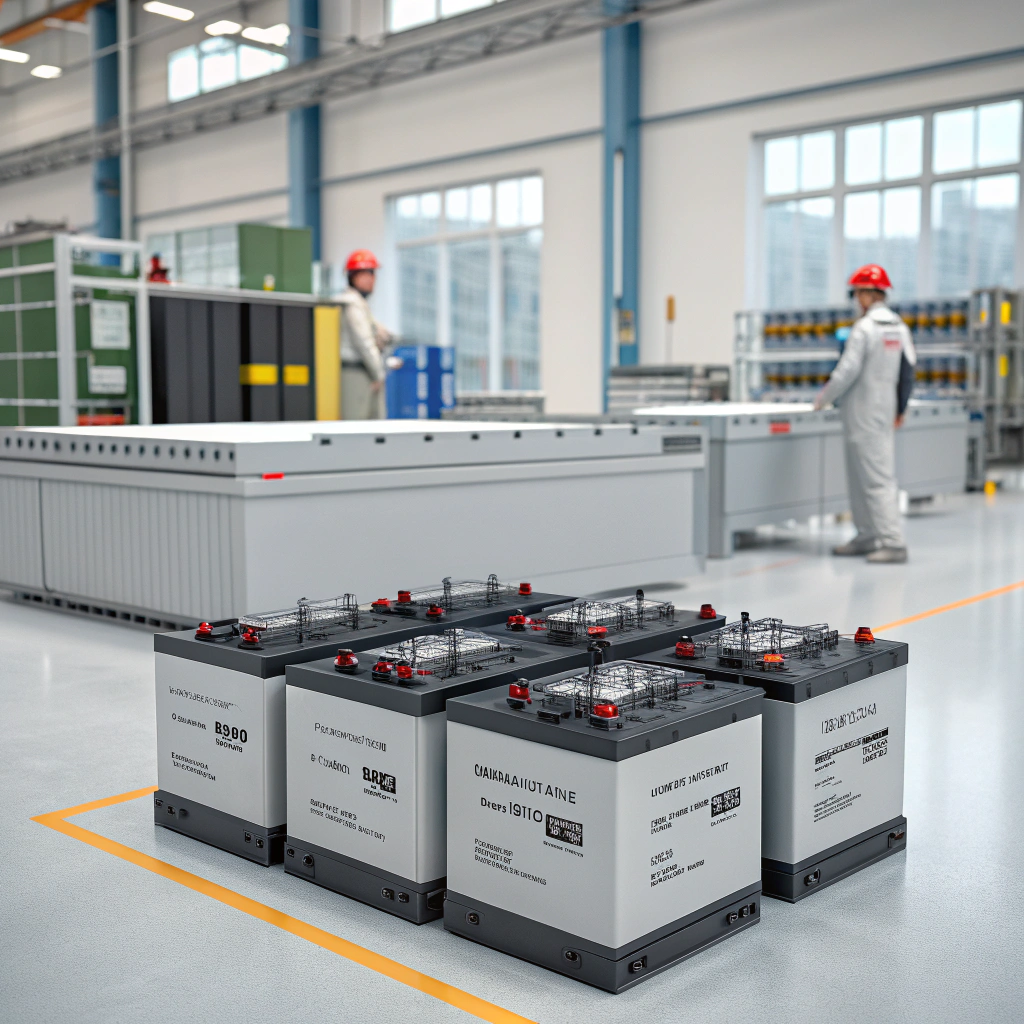
Batteries mitigate solar variability2 by absorbing excess energy during peaks and discharging during lulls, maintaining a steady power flow. Advanced algorithms predict generation patterns to optimize charge/discharge cycles.
The Science Behind Smoothing
-
Ramp Rate Control
- Batteries limit sudden changes in output (e.g., when clouds pass) to prevent grid instability.
- Example: A 100MW solar farm with storage can cap ramps at ±5MW/minute vs. ±30MW/minute without storage.
-
Time-Shifting Energy Scenario Without Storage With Storage Midday surplus Curtailed Stored Evening demand Fossil backup Discharged -
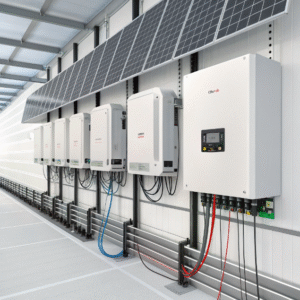
- Modern systems integrate PV and storage inverters, enabling seamless transitions between grid-tied and off-grid modes.
Pro Tip: Lithium-ion batteries dominate due to their fast response (<100ms) and 90%+ round-trip efficiency.
How Storage Makes PV “Controllable”: Enabling Power Regulation and Grid Support
What if solar farms could mimic coal plants’ predictability? Storage makes it possible.
Storage adds dispatchability to PV systems, allowing operators to schedule power delivery, provide frequency regulation, and even black-start capabilities—transforming solar into a grid-stabilizing asset.
Key Grid Services Enabled
-
Frequency Response[^4]
Batteries inject/absorb power within seconds to balance supply-demand mismatches. -
Voltage Support
Reactive power compensation maintains grid voltage during solar intermittency. -
Capacity Firming
Guarantees minimum output levels (e.g., "80% of rated power for 4 hours") for utility contracts.
Case Study: The Hornsdale Power Reserve (Australia) reduced grid stabilization costs by 90% using Tesla batteries.
Why PV Plants Need Storage for Large-Scale Projects: Beyond Economics
Massive solar farms without storage are like sports cars without brakes—fast but uncontrollable.
Storage is critical for large PV plants to comply with grid codes, avoid curtailment penalties, and maximize revenue streams through arbitrage and ancillary service markets.
The Business Case
-
- California curtailed 1.5TWh of solar in 2022—storage could have monetized this energy.
-
Market Opportunities
- Energy Arbitrage: Buy low (midday surplus), sell high (evening peak).
- Capacity Payments: Storage qualifies as firm capacity in resource adequacy programs.
-
Future-Proofing
- New regulations (e.g., FERC 2222) mandate storage participation in wholesale markets.
Data Point: LCOE for solar+storage[^6] is now <$50/MWh, outcompeting gas peakers in many regions.
Conclusion
Storage bridges solar’s intermittency gap, turning PV into a dispatchable, grid-supporting resource that’s reshaping modern power systems—one battery at a time.
Explore how energy storage enhances solar power reliability and efficiency, making it a key player in modern energy systems. ↩
Learn about the crucial role batteries play in stabilizing solar energy output and ensuring consistent power supply. ↩
Discover the technology behind hybrid inverters and their importance in integrating solar and storage solutions. ↩