Sustainable Savings: Why a Home Battery Is Your Smartest Investment for Long-Term Energy Efficiency
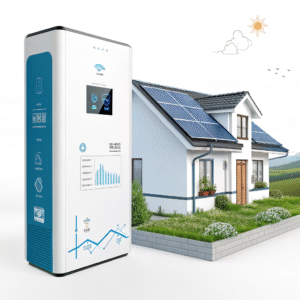
Are you tired of rising energy bills and unreliable power? A home battery1 might be your solution.
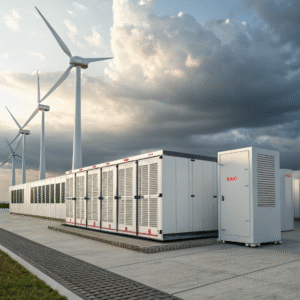
A home battery stores solar energy2 or off-peak electricity, reducing reliance on the grid and cutting energy costs while providing backup during outages for long-term savings and energy independence3.
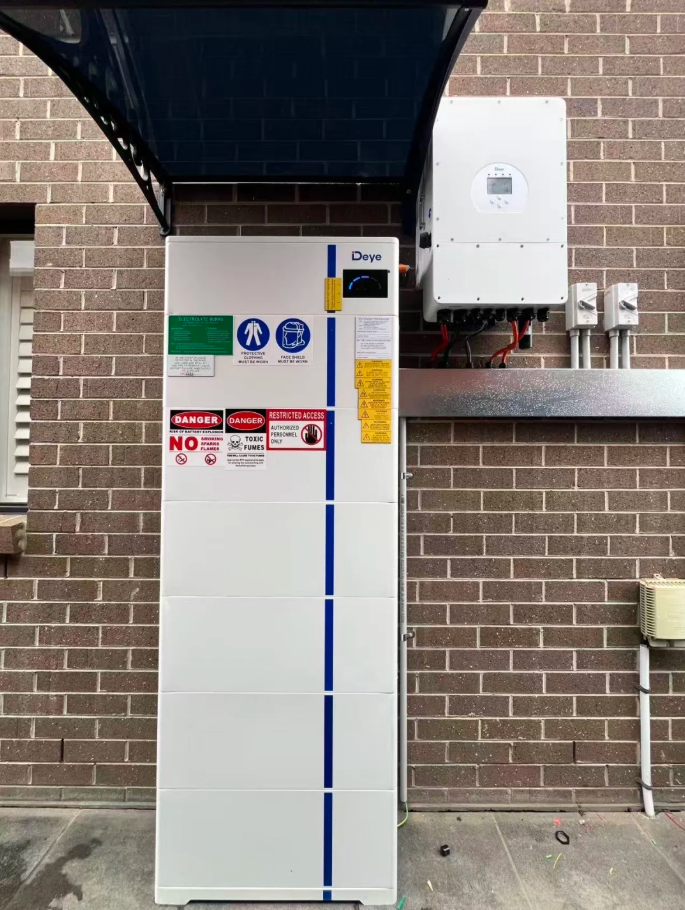
The transition to renewable energy is accelerating, yet grid reliability remains a concern. Homeowners increasingly turn to batteries not just as backup but as tools for financial and environmental gains.
Beyond Backup: How Home Energy Storage Transforms Your Power Bill and Lifestyle
Ever wondered why your neighbor's electricity bill is consistently lower? Their home battery could be the silent hero.
Home batteries shift energy usage to low-rate periods and store solar power, slashing peak demand charges4 and stabilizing monthly bills by 30-50%, while providing uninterrupted power during outages.
Understanding the Financial and Lifestyle Benefits
Home batteries do more than keep lights on—they redefine energy consumption. Here's how:
- Time-of-Use Optimization: Charge during low-rate hours (e.g., nighttime), use stored energy during expensive peak daytime rates.
- Solar Pairing: Store excess solar energy instead of selling it back to the grid at lower rates.
- Grid Independence: Reduce reliance on utility companies, mitigating rate hikes.
| Feature | Financial Impact | Lifestyle Benefit |
|---|---|---|
| Peak Shaving | Lowers demand charges by 40% | Consistent energy costs |
| Solar Storage | Maximizes solar ROI | Eco-friendly energy use |
| Outage Protection | Avoids spoiled food/lost productivity | Peace of mind during storms |
Advanced systems like Tesla Powerwall or LG Chem RESU learn usage patterns to automate savings. For those with solar panels, batteries can increase solar self-consumption by up to 80%, making renewable investments more viable.
Home batteries eliminate peak-time electricity costs.
✅ True: They store cheap off-peak energy for use during expensive peak hours.
Batteries require solar panels to be cost-effective.
❌ False: They can also charge from the grid during low-rate periods for savings.
Never Lose Power Again: The Peace of Mind a Home Battery Provides During Outages
What’s worse than a blackout? Realizing your backup generator is out of fuel.
Home batteries automatically kick in during outages, providing seamless power for essentials like fridges, medical devices, and Wi-Fi, with zero maintenance or noise compared to generators.
How Batteries Outperform Traditional Backup Solutions
- Instant Response: Activates within milliseconds vs. generators’ 30-second delay.
- Silent Operation: No noisy engines or fumes—safe for indoor installation.
- Modular Capacity: Scale capacity by adding more batteries (e.g., 10 kWh to 30 kWh).
Critical Load Support: Prioritize circuits to keep essentials running for hours or even days. For example, a 13.5 kWh Powerwall can run a fridge (2 kWh/day) and lights (1 kWh/day) for ~4 days.
Fuel-Free Reliability: Batteries recharge from solar or the grid, unlike generators needing gasoline. In areas prone to wildfires or hurricanes, this ensures long-term resilience.
Batteries work during grid outages without solar.
✅ True: They can power homes using pre-stored energy even if solar isn’t generating.
Generators are cheaper than batteries long-term.
❌ False: Fuel and maintenance costs make generators more expensive over 5+ years.
Smart Energy Management at Your Fingertips: The Intelligent Advantages of Modern Home Batteries
Imagine your home intuitively slashing energy costs—modern batteries make it reality.
Smart home batteries integrate with apps and AI to track usage, predict outages, and optimize energy storage/discharge, maximizing savings and convenience through automation.
The Tech Behind Smarter Energy Use
-
AI-Driven Optimization:
- Learns household patterns (e.g., EV charging at 8 PM) to reserve battery capacity.
- Adjusts to weather forecasts (e.g., store extra energy before a cloudy week).
-
Grid Services Participation:
- Some utilities pay homeowners for excess battery energy during high demand (virtual power plants).
-
Real-Time Monitoring:
- Apps like SolarEdge or Enphase show live energy flow and savings data.
| Smart Feature | Benefit | Example |
|---|---|---|
| Demand Response | Earn credits for reducing grid usage | $100/year from utility programs |
| Remote Control | Adjust settings from anywhere | Turn on backup from vacation |
| Diagnostics | Alerts for maintenance needs | Early warning for battery health |
For tech-savvy households, these systems integrate with Alexa/Google Home for voice commands ("Alexa, run on battery for 2 hours").
Smart batteries can earn money from utilities.
✅ True: Programs like Tesla’s VPP compensate users for shared energy.
Battery apps only show basic energy stats.
❌ False: They provide detailed analytics, including cost projections and carbon savings.
Conclusion
A home battery cuts energy bills, ensures outage protection5, and smartly manages power—making it a triple-threat investment for sustainable savings and security.
Explore how a home battery can significantly reduce your energy costs and enhance your energy independence. ↩
Learn about the synergy between solar energy and home batteries for maximizing savings. ↩
Discover the advantages of achieving energy independence through home battery systems. ↩
Understand how managing peak demand can lead to substantial savings on your energy bill. ↩
Learn how home batteries can ensure you never lose power during outages. ↩