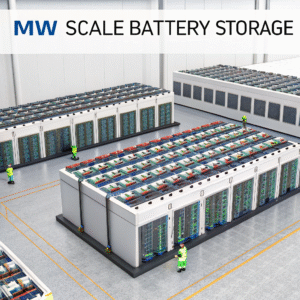
The Commercial Value of Energy Storage Batteries: A Full Analysis of Market Opportunities
Are energy storage batteries the golden ticket to tomorrow's energy market? With global renewable energy adoption skyrocketing, these systems are becoming indispensable for grid stability and energy independence.
Energy storage batteries1 offer substantial commercial value by enabling renewable integration, reducing peak demand charges, and creating new revenue streams through grid services, making them a cornerstone of modern energy infrastructure.
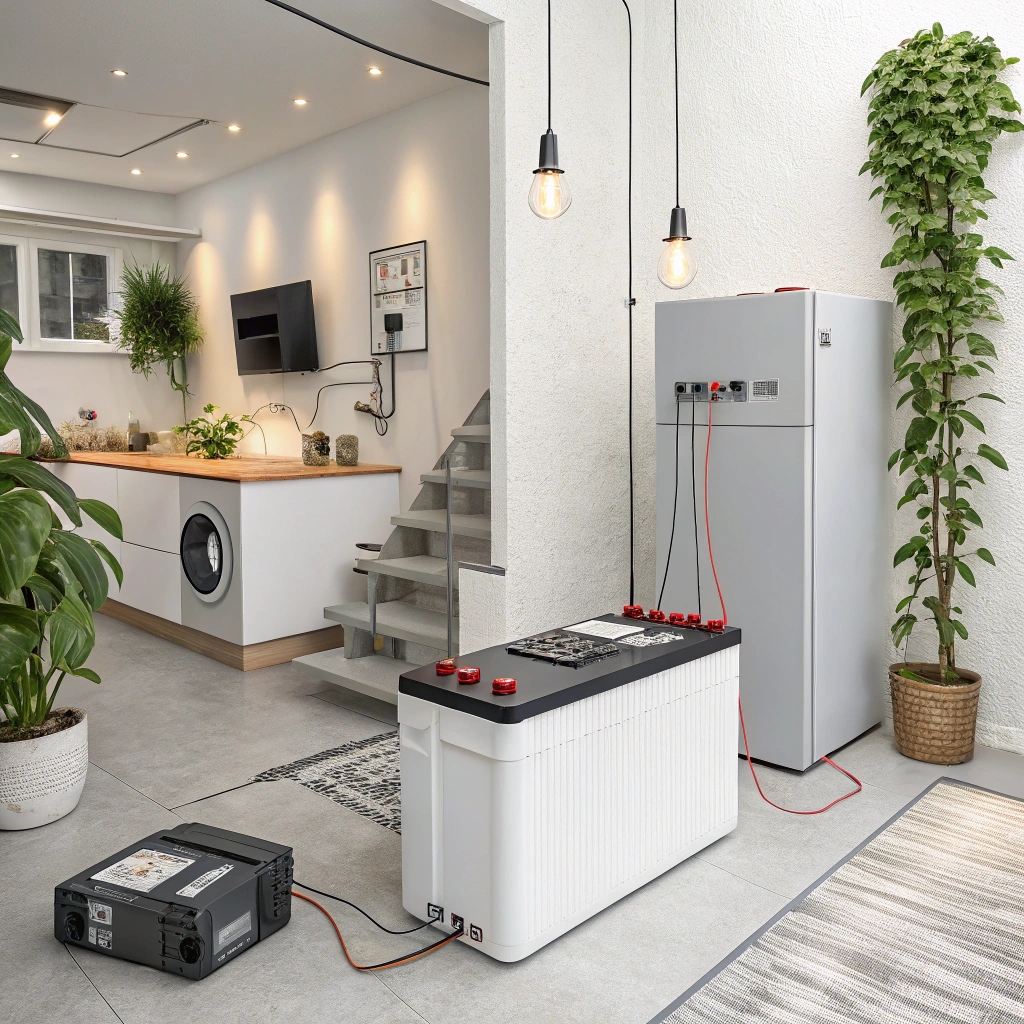
The energy storage revolution isn't coming—it's already here. From homeowners to industrial giants, stakeholders are leveraging batteries to cut costs and decarbonize. Let’s unpack why this market is poised for explosive growth.
How Does the Cost Structure of Energy Storage Batteries Support Healthy Profit Margins?
Why do some energy storage projects flourish while others struggle? The answer lies in understanding the nuanced economics of battery systems.
Energy storage batteries1 achieve profitability through declining lithium-ion costs2 (down 89% since 2010), multi-revenue stream capabilities3 (frequency regulation, capacity markets), and operational efficiencies like AI-driven cycle optimization[^4].
The Three Pillars of Storage Economics
-
Hardware Cost Reductions
- Battery cell prices: $132/kWh (2023) vs. $1,200/kWh (2010)
- Balance-of-system innovations: Containerized solutions cut installation costs by 40%
-
Revenue Stacking Opportunities Application Revenue Potential ($/kWh/year) Peak shaving $150–$300 Frequency regulation $80–$200 Renewable firming $60–$180 -
Operational Advantages
- AI-powered predictive maintenance extends asset life by 3–5 years
- Second-life battery applications create residual value (e.g., 70% capacity reuse for solar farms)
Pro tip: Projects combining solar+storage achieve 20% higher IRR through ITC synergies and reduced interconnection costs.
What Does Growing Market Demand Mean for Local Sales and Service Businesses?
Can local installers ride the energy storage wave to profitability? The $100B+ global storage market is creating unprecedented opportunities for regional players.
Local businesses benefit from storage demand through recurring revenue (O&M contracts), high-margin retrofit projects (30–50% margins), and value-added services like VPP participation that build customer stickiness.
The Local Storage Business Playbook
1. Residential Market Boom
- 63% of US solar installers now offer batteries (up from 28% in 2018)
- Average project value: $12,000–$20,000 per home
2. Commercial & Industrial (C&I) Opportunities
- Demand charge management saves factories $100k+/year
- Emerging models: Storage-as-a-Service (SaaS)[^5] with no upfront costs
3. Service Differentiators
- 24/7 monitoring packages ($15–$30/month per system)
- Warranty monetization (OEM partnerships for battery replacements)
- Energy arbitrage consulting (AI-driven charge/discharge optimization)
Case study: A Texas installer increased ARPU by 40% by bundling Tesla Powerwalls with grid services enrollment.
Why Are Energy Storage Batteries Better Suited for Long-Term Market Planning Rather Than Short-Term Trading?
Is chasing daily energy trades the best use of your storage asset? Market dynamics reveal why strategic positioning beats speculative plays.
Energy storage thrives as a long-term infrastructure investment due to 10–15-year asset life, predictable revenue contracts[^6] (PPAs, capacity payments), and structural advantages over fossil peakers in renewable-heavy grids.
The Case for Strategic Deployment
1. Market Fundamentals
- CAISO: Storage revenues 80% from capacity vs. 20% from merchant trading
- ERCOT: 2-hour systems earn 3× more from ancillary services than energy arbitrage
2. Risk Mitigation
- Fixed-revenue components cover 60–80% of capex
- Policy tailwinds: FERC Order 2222[^7] enables aggregated storage participation
3. Future-Proofing
- Transmission deferral value grows as grids age
- Hydrogen coupling creates optionality (excess solar → H2 production)
Data point: Storage projects with 70% contracted revenue achieve 8–12% ROIC vs. 4–6% for merchant-only portfolios.
Conclusion
Energy storage batteries1 deliver transformative commercial value through cost-competitive technology, diversified revenue streams, and alignment with global decarbonization goals—making them essential infrastructure for the 21st century grid.
Explore how energy storage batteries enhance renewable energy integration and grid stability. ↩
Learn about the significant cost reductions in lithium-ion batteries and their effect on market dynamics. ↩
Discover how energy storage systems can generate multiple revenue streams for better profitability. ↩