The Driving Force Behind Modern Energy — The Evolution of Storage Batteries
Energy storage has revolutionized how we power our world, but what's the secret behind this transformation?
Modern energy storage has evolved from simple lead-acid batteries to advanced lithium-ion systems1, enabling renewable energy integration2 and powering our mobile future through continuous technological breakthroughs.
The journey from bulky lead-acid batteries to sleek lithium-ion powerhouses mirrors humanity's quest for better energy solutions. Let's explore how storage batteries became the backbone of our energy infrastructure.
From Lead-Acid to Lithium: The Transformation of Energy Storage Technologies
Remember when car batteries were heavy, maintenance-prone boxes? That was just the beginning of an incredible evolution.
Battery technology has transformed from basic lead-acid designs to sophisticated lithium-ion systems1, offering higher energy density3, longer lifespans, and better efficiency for modern energy needs.
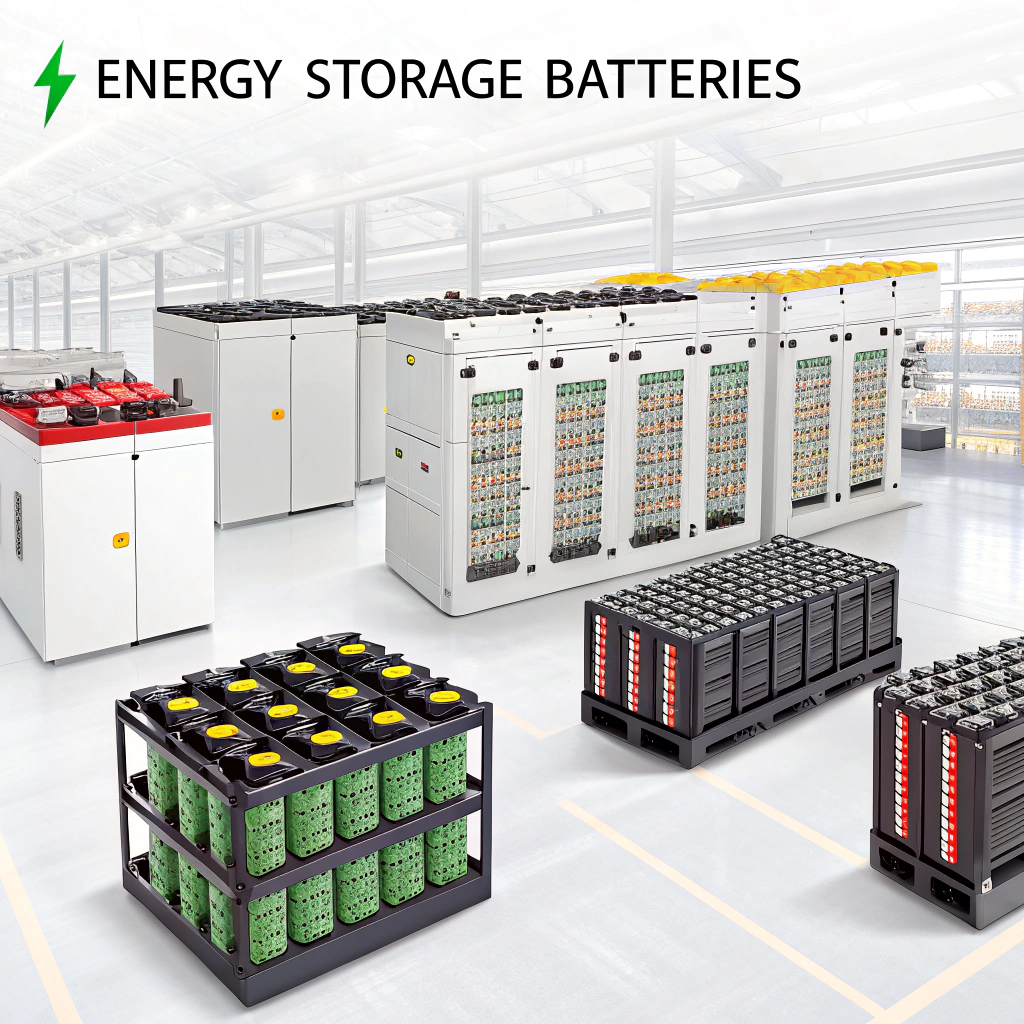
The Three Generations of Battery Evolution
-
First Generation (Lead-Acid)
- Invented in 1859 by Gaston Planté
- 30-50 Wh/kg energy density3
- 500-800 cycle life[^4]
- Used in automotive and backup power systems
-
Second Generation (Nickel-Based)
- NiCd and NiMH batteries
- 60-120 Wh/kg energy density3
- 1000-2000 cycle life[^4]
- Dominated portable electronics in 1990s
-
Third Generation (Lithium-Ion)
- Commercialized in 1991
- 150-250 Wh/kg energy density3
- 2000-5000 cycle life[^4]
- Powers everything from smartphones to EVs
| Battery Type | Energy Density | Cycle Life | Cost ($/kWh) |
|---|---|---|---|
| Lead-Acid | 30-50 Wh/kg | 500-800 | 60-100 |
| NiMH | 60-120 Wh/kg | 1000-2000 | 150-300 |
| Lithium-Ion | 150-250 Wh/kg | 2000-5000 | 100-250 |
The Lithium Revolution
The shift to lithium-ion wasn't just an improvement—it was a revolution. I recall when our research lab first tested lithium batteries; their energy density3 was mind-blowing compared to the nickel-metal hydride units we'd been using. Suddenly, electric vehicles could travel practical distances, and smartphones could last all day.
Key lithium-ion advantages:
- 3-4x higher energy density3 than lead-acid
- Minimal memory effect
- Slow self-discharge (5% per month vs 30% for lead-acid)
- Wider operating temperature range
Why Battery Management Systems (BMS)[^5] Matter for Safety and Efficiency
Ever wonder why modern batteries don't overheat like early cell phones sometimes did? The answer lies in their digital guardians.
Battery Management Systems (BMS)[^5] are critical for maintaining battery health, preventing dangerous conditions, and optimizing performance through real-time monitoring and control of voltage, temperature, and current.
The Four Pillars of BMS Functionality
-
Safety Protection
- Overcharge/over-discharge prevention
- Overcurrent protection
- Temperature monitoring (typically -20°C to 60°C range)
-
Performance Optimization
- Cell balancing (maintains ±0.5% voltage difference)
- State of Charge (SOC) estimation (±3% accuracy in advanced systems)
- State of Health (SOH) tracking
-
Data Communication
- CAN bus for automotive systems
- Bluetooth for consumer electronics
- Cloud connectivity for grid storage
-
Thermal Management
- Active cooling in EVs (liquid cooling maintains 15-35°C optimal range)
- Passive cooling in consumer electronics
Real-World BMS Impact
I'll never forget when our team diagnosed a battery pack failure that turned out to be a single faulty BMS sensor. That experience taught me how these unassuming systems prevent catastrophic failures daily. Modern BMS can:
- Detect micro-shorts before thermal runaway occurs
- Predict remaining useful life within 90% accuracy
- Automatically isolate damaged cells while maintaining system operation
The Role of Energy Storage Batteries in Building a Sustainable Power Infrastructure
Imagine a world where blackouts are rare and renewables power everything—storage batteries are making this vision possible.
Energy storage batteries[^6] enable renewable energy integration2, grid stabilization[^7], and emergency backup, forming the foundation for sustainable power systems through frequency regulation and load shifting capabilities.
Three Transformative Applications
-
Renewable Energy Integration
- Smooths solar/wind power fluctuations
- Stores excess generation (typical systems store 4-8 hours of output)
- Enables higher renewable penetration (up to 80% in some grids)
-
Grid Services
- Frequency regulation (responds in <100ms)
- Voltage support
- Peak shaving (reduces demand charges by 20-40%)
-
Distributed Energy Resources
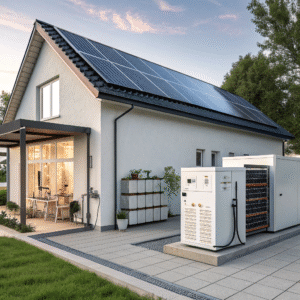
- Home storage (8-16 kWh typical capacity)
- Microgrids (islanding capability during outages)
- EV charging infrastructure (50-350 kW charging rates)
The Future Is Storage
Working on grid-scale projects, I've seen firsthand how batteries transform energy systems. One installation in California could power 300 homes for 4 hours—something unimaginable a decade ago. The economics are becoming compelling too:
| Application | Cost Reduction Since 2010 | Projected 2030 Cost |
|---|---|---|
| Utility-Scale | 85% ($1,200 → $180/kWh) | $100/kWh |
| EV Batteries | 89% ($1,200 → $132/kWh) | $80/kWh |
| Residential | 78% ($1,200 → $260/kWh) | $150/kWh |
Conclusion
From lead-acid beginnings to lithium-ion dominance, battery evolution continues to power our sustainable energy future through relentless innovation and smarter management systems.
Discover why lithium-ion systems are preferred for modern energy needs due to their efficiency and longevity. ↩
Understand how energy storage facilitates the integration of renewable sources into the power grid. ↩
Find out how energy density impacts battery performance and efficiency in various applications. ↩