The Flexible Application Capabilities of Storage Batteries: Meeting Diverse Energy Needs
Struggling to power remote areas or balance urban energy demands? Storage batteries1 might just be the versatile solution you need.
Storage batteries1 adapt to diverse energy needs by integrating with solar, wind, and grid power, functioning efficiently in cities, rural areas, and extreme environments like deserts or coastal regions.
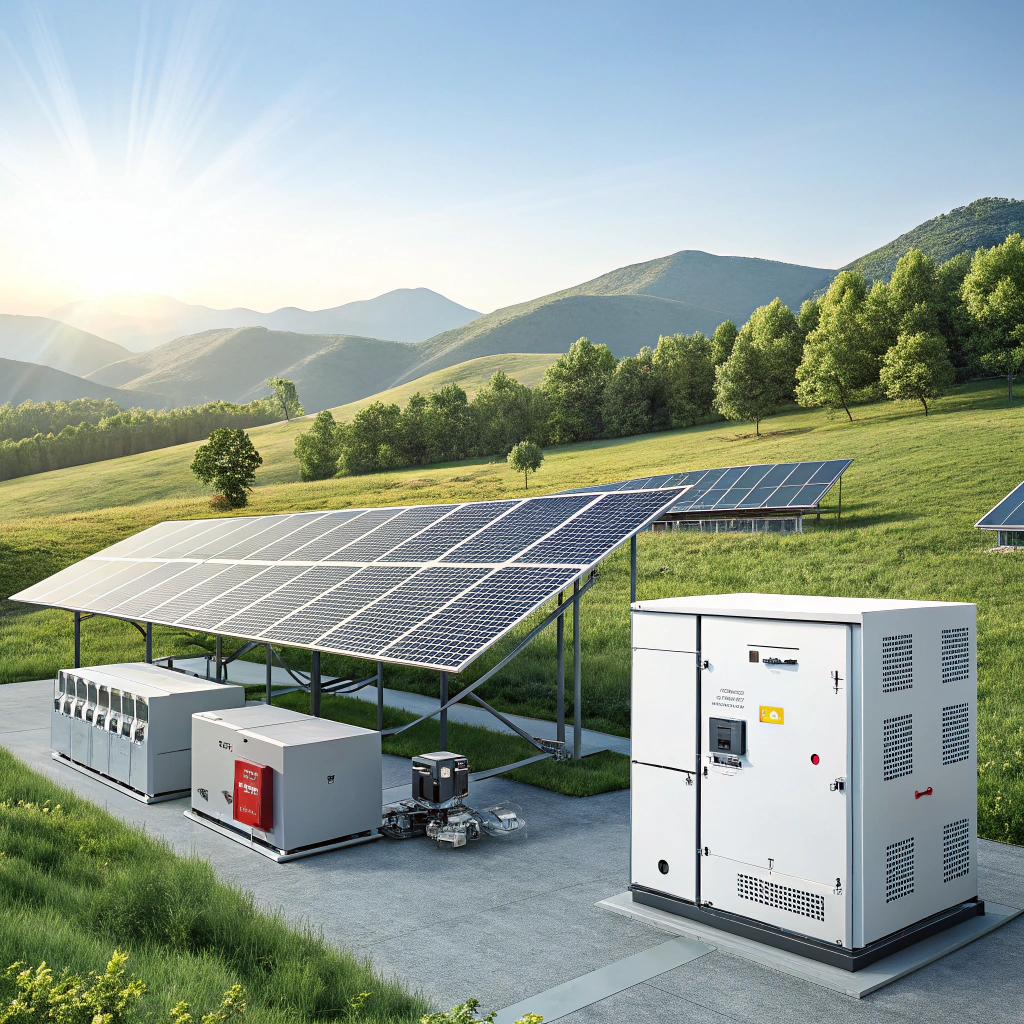
From bustling cities to off-grid villages, storage batteries are revolutionizing how we manage energy. Let’s explore how their flexibility addresses unique challenges across different settings.
Suitable for Cities, Rural Areas, and Remote Regions: How Storage Adapts to Different Power Conditions?
Ever wondered how storage batteries keep lights on in both skyscrapers and mountain villages?
Storage batteries1 stabilize urban grids2, provide backup in rural areas, and enable off-grid power3 in remote regions by adjusting to fluctuating demand and unreliable infrastructure.
Matching Energy Needs to Locations
Storage batteries1 excel in diverse settings:
- Urban Areas: Smooth peak demand spikes, reduce grid strain, and store renewable energy4.
- Rural Regions: Backup during outages and supplement intermittent grid supply.
- Remote Locations: Pair with solar/wind for standalone microgrids, eliminating diesel dependency.
| Setting | Challenge | Battery Solution |
|---|---|---|
| Cities | High demand variability | Load shifting, grid support |
| Villages | Unreliable grid access | Hybrid systems (solar + storage) |
| Off-grid | No infrastructure | 100% renewable microgrids |
Case Study: Islands and Mountains
For example, Tesla’s Powerpacks in Ta’ū (American Samoa) replaced diesel generators with solar + storage, cutting costs and emissions. Similarly, Himalayan villages use lithium batteries[^5] to store daytime solar for nighttime use.
Key Takeaway: Batteries bridge gaps in energy access, whether in a metropolis or a rainforest.
Compatible with Multiple Energy Sources: Combining Storage with Solar, Wind, and Grid Power?
What if one energy source isn’t enough? Storage batteries1 don’t discriminate.
Batteries integrate seamlessly with solar panels, wind turbines, and traditional grids, storing excess energy and releasing it when needed to ensure uninterrupted supply.
Hybrid Systems in Action
- Solar + Storage: Excess daytime solar charges batteries for nighttime use.
- Wind + Storage: Mitigates wind’s intermittency by storing surplus during high winds.
- Grid + Storage: Acts as a buffer during outages or price surges (e.g., time-of-use savings).
Pro Tip: Lithium-ion batteries dominate due to high efficiency (~95%), but flow batteries suit long-duration storage.
Strong Environmental Adaptability: Advantages of Storage in High/Low Temperatures, Coastal, and Desert Regions?
Can batteries withstand sandstorms or freezing winters? Absolutely.
Modern storage batteries use advanced thermal management[^6] and corrosion-resistant materials to operate in -30°C to 50°C, salty coastal air, and arid deserts.
Breaking Down Environmental Resilience
| Condition | Battery Tech | Adaptation |
|---|---|---|
| Extreme Cold | Lithium-ion with heaters | Prevents electrolyte freezing |
| Desert Heat | Phase-change materials | Passive cooling for longevity |
| Coastal Humidity | Stainless steel enclosures | Resists salt corrosion |
Real-World Example: Tesla’s batteries in Saudi Arabia’s desert use liquid cooling, while Antarctic research stations rely on insulated battery rooms.
Conclusion
Storage batteries1 empower energy resilience everywhere—cities, villages, deserts, and beyond—by flexibly adapting to diverse sources and harsh conditions.
Explore how storage batteries can revolutionize energy management in various settings. ↩
Learn about the crucial role of storage batteries in maintaining urban energy stability. ↩
Find out how storage batteries enable reliable off-grid power solutions. ↩
Discover how storage batteries enhance the efficiency of renewable energy sources. ↩