The Greenest Greens: How Solar Power Elevates the Sustainability & Market Value of Your Hydroponic Produce?
Struggling with rising energy costs while trying to maintain sustainable hydroponic operations? Solar power transforms your green dreams into profitable reality.
Solar power significantly reduces operational costs in hydroponics while boosting produce market value through enhanced sustainability credentials. It provides reliable, clean energy for lighting, pumps, and climate control systems, creating premium eco-friendly products1 that command higher prices in today's environmentally conscious marketplace.
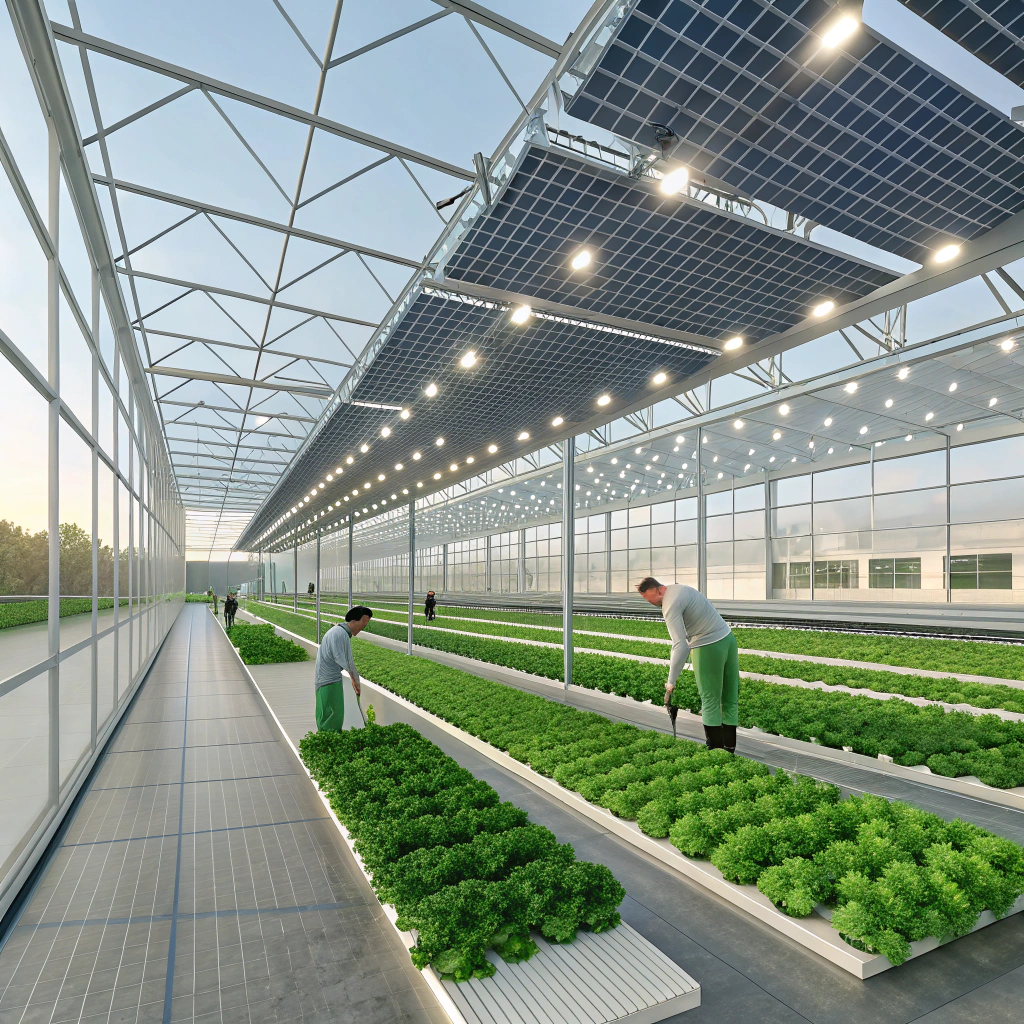
The marriage between solar technology and hydroponic farming isn't just an environmental win—it's a strategic business decision that's reshaping how we think about sustainable agriculture2. As energy costs continue climbing and consumers increasingly demand eco-friendly produce, forward-thinking growers are discovering that solar integration offers the perfect solution to multiple challenges. Let's explore how this powerful combination is revolutionizing the industry and why your operation can't afford to ignore this game-changing opportunity.
Smart Hydroponics, Smarter Power: Leveraging AI & Solar for Optimized Nutrient Delivery & Lighting?
Wondering how AI and solar can revolutionize your hydroponic system's efficiency while slashing operational costs? The future is here.
AI-powered solar systems3 optimize nutrient delivery and lighting schedules based on real-time data, weather patterns, and plant growth stages. This intelligent integration reduces energy consumption by 30-40% while maximizing yield quality and consistency through precision-timed operations.
The synergy between artificial intelligence and solar power4 in hydroponics represents a quantum leap in agricultural efficiency. Smart sensors continuously monitor plant health, nutrient levels, and environmental conditions, feeding this data to AI algorithms that optimize energy usage patterns. During peak solar production hours, the system prioritizes energy-intensive operations like LED lighting and water circulation. When solar output is low, AI reduces non-critical functions and draws from battery storage5 strategically.
Key AI Optimization Features:
| Function | Solar Integration | AI Enhancement |
|---|---|---|
| Lighting Control | Peak solar hours utilization | Growth-stage specific intensity |
| Nutrient Pumping | Battery storage management | pH/EC level optimization |
| Climate Control | Grid-tie backup systems | Predictive weather adjustments |
| Data Analytics | Energy consumption tracking | Yield prediction modeling |
This intelligent approach doesn't just save money—it creates consistently superior produce that commands premium prices in health-conscious markets.
Plug-and-Grow: Simplifying Solar Integration for Existing Hydroponic Setups?
Concerned that adding solar to your existing hydroponic operation will be complex and disruptive? Modern solutions make integration surprisingly simple.
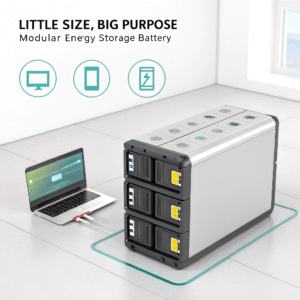
Today's modular solar systems6 integrate seamlessly with existing hydroponic setups through plug-and-play components. Pre-engineered packages include inverters, battery storage, and monitoring systems specifically designed for hydroponic applications, requiring minimal modification to current operations while providing immediate cost savings.
The beauty of modern solar integration lies in its modularity and simplicity. Unlike traditional solar installations that required extensive electrical work, today's hydroponic-specific solar packages are designed with growers in mind. These systems feature DC-compatible components that work directly with standard hydroponic equipment, eliminating the need for complex AC conversions.
Integration Components:
Most systems include weatherproof control units that house the inverter, charge controller, and monitoring equipment in a single enclosure. Smart load management automatically prioritizes essential functions during low-solar periods, ensuring your crops never suffer from power interruptions. The installation process typically takes just one to two days, with many growers seeing immediate reductions in their energy bills.
Retrofit Benefits:
- Minimal Downtime: Installation during off-peak growing periods
- Scalable Design: Add panels as operations expand
- Grid-Tie Capability: Sell excess power back to utilities
- Remote Monitoring: Track performance via smartphone apps
The financial returns are equally impressive, with most growers achieving payback periods of 3-5 years while adding significant value to their operations.
Future-Proof Your Farm: Why Solar Power is the Next Essential Investment for Hydroponic Growers?
Worried about your farm's long-term viability in an era of rising energy costs and increasing environmental regulations? Solar investment secures your future.
Solar power future-proofs hydroponic operations by providing energy independence, regulatory compliance, and premium market positioning. With energy costs rising 3-5% annually and carbon taxes looming, solar investment protects against volatility while opening access to sustainability-focused markets7 and certifications.
The hydroponic industry stands at a crucial crossroads where traditional energy-dependent operations face mounting challenges. Government regulations increasingly favor renewable energy adoption, with many regions offering substantial tax incentives and rebates for solar installations. More importantly, major retailers and distributors are actively seeking suppliers with verified sustainability credentials.
Market Advantages of Solar Integration:
| Benefit Category | Short-term Impact | Long-term Value |
|---|---|---|
| Cost Savings | 20-40% energy reduction | Fixed energy costs for 25+ years |
| Market Access | Premium pricing opportunities | Exclusive sustainability partnerships |
| Regulatory Compliance | Tax incentives and rebates | Future carbon tax protection |
| Brand Value | Enhanced marketing positioning | Industry leadership recognition |
Solar installations typically come with 25-year warranties and have proven track records of consistent performance. Unlike traditional farming inputs that represent recurring costs, solar panels become productive assets that generate returns for decades. When you factor in the premium pricing for sustainably-grown produce—often 15-30% higher than conventional products—the financial case becomes compelling.
The question isn't whether solar makes sense for hydroponic operations, but rather how quickly you can implement it to capture these advantages before your competitors do.
Conclusion
Solar power transforms hydroponic farming into a sustainable, profitable venture that reduces costs, enhances market value, and future-proofs operations against rising energy costs.
Find out how eco-friendly products are changing consumer preferences and market dynamics. ↩
Discover the principles of sustainable agriculture and its impact on the environment and economy. ↩
Delve into the technology behind AI-powered solar systems and their benefits for agriculture. ↩
Explore how solar power can significantly reduce operational costs and enhance sustainability in hydroponic farming. ↩
Discover how battery storage systems can optimize energy use in hydroponic operations. ↩
Explore the benefits of modular solar systems for easy integration into existing setups. ↩
Discover the growing importance of sustainability-focused markets in today's economy. ↩