The Heartbeat of Your Home: Why Solar Batteries Are Essential for a Resilient African Future?
Problem: Power outages plague African communities daily. Agitation: Darkness shouldn't dictate your life. Solution: Solar batteries1 deliver reliable energy independence.
Solar batteries are essential for African homes because they store renewable energy for nighttime use, provide backup power during outages, and enable energy independence in areas with unreliable grid infrastructure.
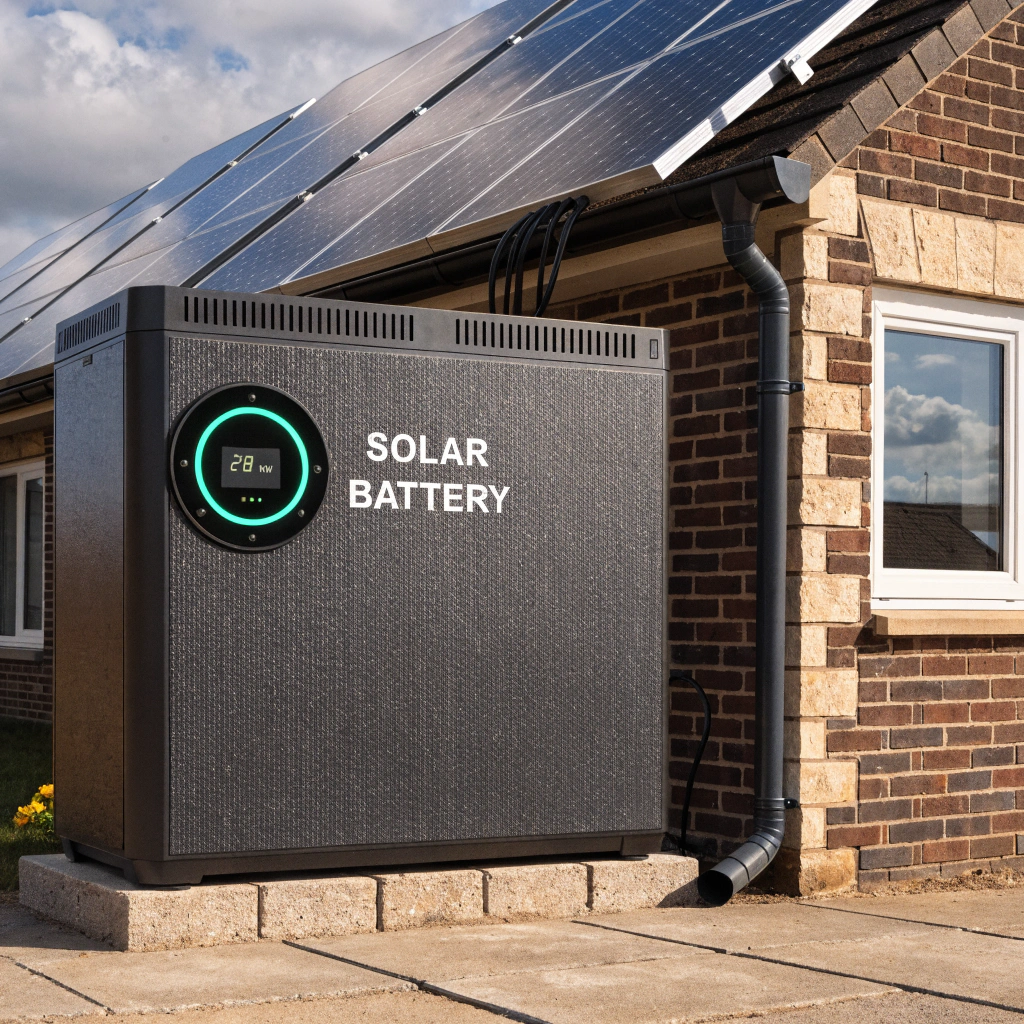
When I first witnessed a family in rural Kenya fire up their solar battery system during a blackout, the relief in their eyes was unmistakable. While neighbors stumbled in darkness, their home remained a beacon of light, powering everything from medical equipment to children's homework. This isn't just about convenience—it's about survival, dignity, and hope. Solar batteries aren't merely an upgrade; they're the foundation of a resilient African future where energy poverty2 becomes history.
Beyond Daylight: Powering Your African Nights with Smart Solar Energy Storage?
Problem: Solar panels stop working at sunset. Agitation: Your energy needs don't pause for darkness. Solution: Smart battery storage extends solar power 24/7.
Smart solar energy storage systems capture excess daytime solar generation and release it during nighttime hours, ensuring continuous power supply regardless of weather conditions or time of day.
Understanding Solar Battery Technology in African Context
Living through countless power outages in Lagos taught me that timing is everything in energy storage. Modern lithium-ion batteries3 paired with intelligent charge controllers create a seamless energy ecosystem. During peak sunlight hours, excess solar generation charges your battery bank while simultaneously powering your home. As evening approaches, the system automatically switches to battery power, maintaining your lifestyle without interruption.
The beauty lies in the smart management systems. Advanced battery management systems (BMS) monitor cell temperatures, charge levels, and discharge rates, optimizing performance for Africa's challenging climate conditions. These systems prevent overcharging during intense midday sun and ensure efficient power delivery during peak demand periods.
| Battery Type | Capacity Range | Lifespan | Climate Suitability |
|---|---|---|---|
| Lithium-ion | 5-20kWh | 10-15 years | Excellent heat tolerance |
| Lead-acid | 2-10kWh | 3-7 years | Moderate performance |
| LiFePO4 | 5-25kWh | 12-20 years | Superior durability |
Built to Last: Rugged Solar Battery Solutions Thriving in Africa's Challenging Environments?
Problem: Extreme weather destroys standard equipment. Agitation: Dust, heat, and humidity kill electronics fast. Solution: Military-grade batteries survive Africa's harshest conditions.
Rugged solar batteries designed for African environments feature enhanced thermal management, dust-proof enclosures, and corrosion-resistant components that maintain performance despite extreme temperatures, humidity, and environmental challenges.
Engineering for African Extremes
I've watched countless battery systems fail within months of installation, victims of Africa's unforgiving environment. The difference between success and failure lies in understanding that Africa demands specialized engineering. Premium solar batteries now feature IP65-rated enclosures that seal out dust storms, while advanced thermal management systems maintain optimal operating temperatures even when ambient temperatures soar above 45°C.
Corrosion resistance becomes critical in coastal regions where salt air attacks metal components. Modern systems utilize marine-grade materials and protective coatings that withstand humidity levels exceeding 90%. Internal cooling systems actively manage heat dissipation, while intelligent fans and heat sinks prevent thermal runaway—a common failure mode in extreme climates.
| Environmental Challenge | Battery Solution | Protection Level |
|---|---|---|
| Extreme Heat (45°C+) | Active thermal management | IP65 rating |
| Dust/Sand Storms | Sealed enclosures | Military-grade sealing |
| High Humidity (90%+) | Corrosion-resistant materials | Marine-grade protection |
| Temperature Fluctuations | Adaptive charge algorithms | Smart BMS monitoring |
Breaking Free: Achieve True Energy Independence with Off-Grid Solar Battery Systems in Africa?
Problem: Unreliable grid power stifles progress. Agitation: Economic growth dies without stable electricity. Solution: Off-grid systems deliver complete energy autonomy and economic freedom.
Off-grid solar battery systems provide complete energy independence by combining solar panels, battery storage, and backup generators, eliminating dependence on unreliable grid infrastructure while reducing long-term energy costs.
The Economics of Energy Freedom
Calculating the return on investment for off-grid systems revealed surprising truths. While initial costs seem substantial, the mathematics favor independence. Grid electricity costs in many African regions exceed $0.25 per kWh, with frequent outages causing additional economic losses. A properly sized off-grid system pays for itself within 3-5 years while delivering 20+ years of reliable service.
True independence requires careful system sizing and component selection. Successful installations typically include 150-300% solar oversizing to account for seasonal variations and weather patterns. Battery banks should provide 2-3 days of autonomy, while backup generators4 offer extended protection during prolonged cloudy periods.
The transformational impact extends beyond individual homes. Communities with reliable power attract businesses, improve healthcare delivery, and enable educational advancement. Children study longer, medical refrigeration preserves life-saving vaccines, and small businesses operate extended hours—creating positive economic spirals that lift entire regions.
| System Component | Sizing Recommendation | Expected Lifespan |
|---|---|---|
| Solar Array | 200-300% of daily consumption | 25+ years |
| Battery Bank | 48-72 hours autonomy | 10-20 years |
| Backup Generator | 120% of peak load | 15+ years |
| Charge Controller | 125% of array rating | 15+ years |
Conclusion
Solar batteries transform African homes from grid-dependent to energy-independent, ensuring reliable power, economic growth, and improved quality of life for millions.
Explore how solar batteries can provide energy independence and reliability for homes, especially in areas with frequent outages. ↩
Explore the concept of energy poverty and how solar solutions can help alleviate it in African communities. ↩
Find out why lithium-ion batteries are preferred for solar energy storage and their benefits in various climates. ↩
Learn about the importance of backup generators in ensuring continuous power supply during outages. ↩