The Importance of PV + Storage Systems: From Efficiency Improvement to Grid Friendliness
Solar energy is booming, but what happens when the sun isn't shining? That's where PV + storage systems1 come in - transforming solar from intermittent to indispensable.
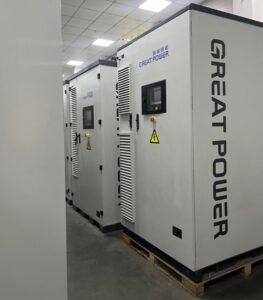
PV + storage systems1 combine solar panels with battery storage to maximize energy utilization, improve grid stability, and enable energy independence2 by storing excess solar power for later use.
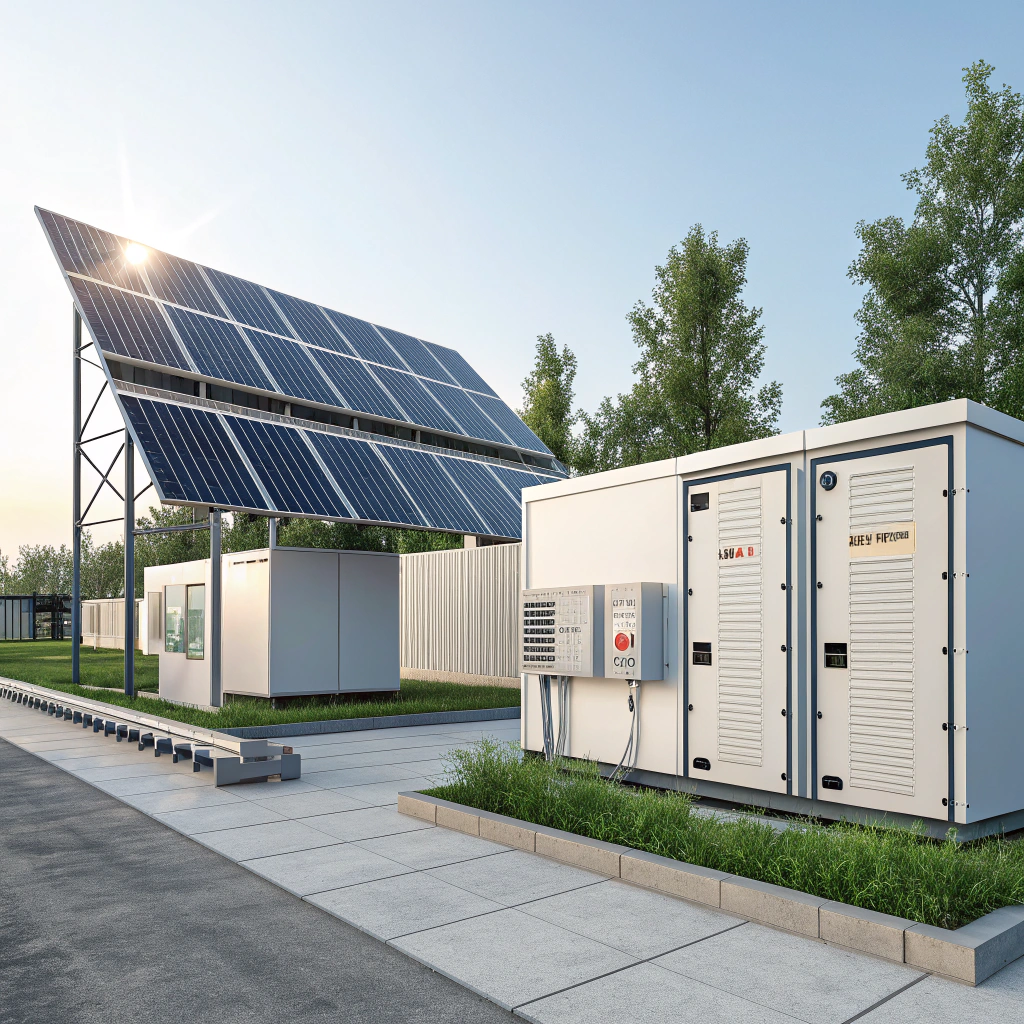
The transition to renewable energy isn't just about generating clean power - it's about making that power reliable and grid-friendly. Let's explore how PV + storage systems1 are revolutionizing solar energy.
How Do Batteries Improve Overall PV System Efficiency? From Energy Management to Peak Shaving & Valley Filling
Ever wondered why your solar panels sometimes seem wasted when you're not home to use their power?
Batteries enhance PV system efficiency by storing excess solar energy for later use, enabling peak shaving (reducing grid demand during high-cost periods) and valley filling (storing energy during low-demand times).
The Mechanics of Energy Optimization
Energy storage fundamentally changes how we interact with solar power through three key mechanisms:
-
Self-consumption optimization:
- Stores excess daytime solar production
- Reduces reliance on grid power at night
- Typical self-consumption increases from 30% to 70%+ with storage
-
Demand charge management:
- Cuts peak demand charges for commercial users
- Smooths energy usage profile
- Can reduce electricity bills by 20-40%
-
Time-of-use arbitrage: Time Period Strategy Benefit Daytime Store excess solar Maximize self-use Evening Peak Discharge battery Avoid high TOU rates Night Grid charging (if allowed) Utilize low-cost power
Advanced Applications
Modern systems now incorporate predictive algorithms that:
- Forecast solar production
- Anticipate energy needs
- Optimize charge/discharge cycles
- Integrate with smart home systems
These intelligent systems can deliver additional 10-15% efficiency gains over basic storage setups.
Batteries can increase solar self-consumption by over 100%. False
While batteries significantly improve self-consumption, typical increases range from 30% to 70% depending on system size and usage patterns.
Improving PV Grid-Connection Stability: The Role of Energy Storage in Frequency & Voltage Regulation
What happens to our power grid when thousands of solar systems suddenly stop producing during a cloud bank?
Energy storage stabilizes grid-connected PV systems by providing frequency regulation3 (maintaining 50/60Hz) and voltage support[^4], compensating for solar intermittency and preventing grid instability.
The Grid Stability Challenge
Solar variability creates three main grid challenges:
-
Frequency fluctuations:
- Caused by rapid changes in solar output
- Storage provides instantaneous response (within milliseconds)
- Maintains grid frequency within ±0.5Hz tolerance
-
Voltage variations:
- Local voltage spikes from excess solar export
- Batteries absorb/feed power to stabilize voltage
- Particularly crucial in weak grid areas
-
Ramp rate control:
- Limits how fast solar output can change
- Prevents sudden drops during cloud cover
- Typically capped at 10%/minute change rate
Technical Solutions
Modern storage systems offer multiple grid services:
| Service | Response Time | Duration | Benefit |
|---|---|---|---|
| Frequency regulation | <1 second | Seconds-minutes | Grid stability |
| Voltage support | <2 seconds | Continuous | Power quality |
| Ramp rate control | <5 seconds | Minutes | Smooth transitions |
Advanced inverters with grid-forming capabilities can even:
- Create microgrids during outages
- Provide black start capability
- Maintain grid synchronization
Batteries can respond to grid frequency changes faster than traditional power plants. True
Energy storage systems can respond to frequency deviations in milliseconds, while conventional generators typically take several seconds to minutes.
Future Trends of PV + Storage Systems: High-Energy-Density Batteries, Smart EMS, and Integrated Design
Where is solar-plus-storage technology heading in the next decade?
Future PV + storage systems1 will feature higher energy density batteries (300+ Wh/kg), AI-driven energy management, and fully integrated designs that reduce costs by 40% while improving performance and lifespan.
Emerging Technologies
-
Next-gen battery chemistries:
- Solid-state batteries (safer, higher density)
- Silicon-anode lithium-ion (higher capacity)
- Flow batteries (longer duration storage)
-
Smart energy management:
- Machine learning for usage prediction
- Dynamic tariff optimization
- Vehicle-to-grid integration
-
System integration:
- Building-integrated PV (BIPV)
- Modular storage units
- Plug-and-play systems
Cost Reduction Pathways
Projected cost declines through 2030:
| Component | 2023 Cost | 2030 Projection | Reduction |
|---|---|---|---|
| PV modules | $0.25/W | $0.15/W | 40% |
| Lithium batteries | $150/kWh | $75/kWh | 50% |
| Balance of system | $0.30/W | $0.18/W | 40% |
Integration will also improve through:
- Standardized communication protocols
- Pre-assembled systems
- Automated design tools
Solid-state batteries are expected to triple energy density compared to current lithium-ion. True
Prototype solid-state batteries[^5] already demonstrate 2-3x higher energy density than conventional lithium-ion batteries.
Conclusion
PV + storage systems1 transform solar into a reliable, grid-friendly power source through intelligent energy management and advanced storage technologies, paving the way for a renewable-powered future.