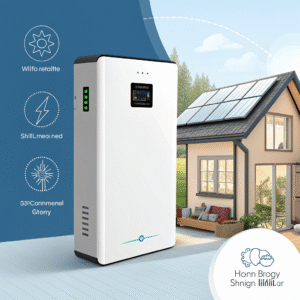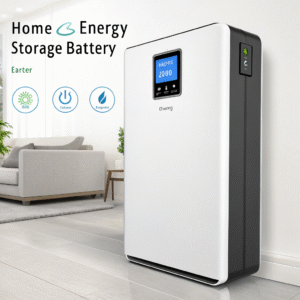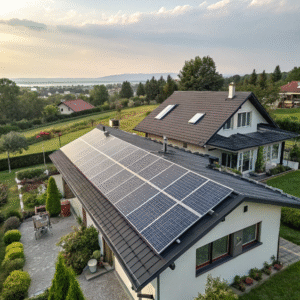
The Key Role of Energy Storage Batteries in PV Systems: Enhancing Stability and Efficiency
Solar power is revolutionizing energy production, but what happens when the sun isn't shining? Energy storage batteries1 hold the key to unlocking solar's full potential.
Energy storage batteries1 in PV systems store excess solar energy during peak production for use during low-generation periods, solving solar's intermittency while improving grid stability and energy self-sufficiency.
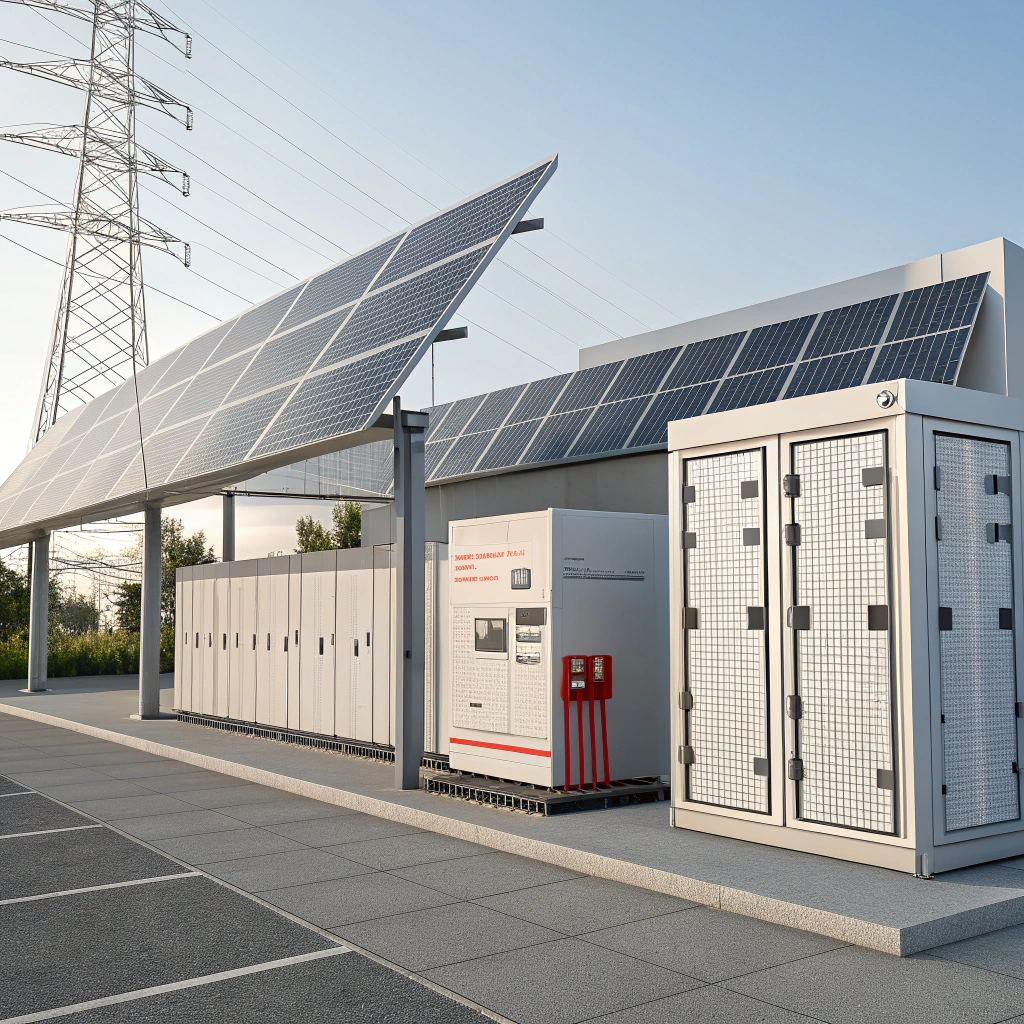
The integration of battery storage with photovoltaic systems is transforming renewable energy from an intermittent source to a reliable power solution. Let's explore how this technology addresses solar's biggest challenges while creating new value for businesses and homeowners alike.
How Does Energy Storage Solve the Intermittency of Solar Power? The Logic of "Generate in Daytime, Use at Night"
Ever wondered why your solar panels stop working during blackouts? Without storage, solar systems can't bridge the gap between production and demand.
Energy storage batteries1 solve solar intermittency2 by storing surplus daytime generation for nighttime use, creating a continuous power supply that matches consumption patterns with production cycles.
The Physics Behind Solar's Limitations
Solar panels inherently face two fundamental challenges:
- Diurnal mismatch (day/night cycle)
- Weather-dependent output (cloud cover, seasonal variations)
Energy storage provides three critical solutions:
| Challenge | Battery Solution | Impact |
|---|---|---|
| Daytime surplus | Stores excess energy | Prevents curtailment |
| Nighttime deficit | Discharges stored energy | Enables 24/7 solar use |
| Grid instability | Provides voltage regulation | Improves power quality |
Real-World Implementation Models
Modern systems use intelligent energy management that considers:
- Time-of-use rates (charging when electricity is cheap)
- Peak shaving (reducing demand charges for businesses)
- Backup power (maintaining critical loads during outages)
Advanced lithium-ion batteries3 now offer 90%+ round-trip efficiency with 10-15 year lifespans, making them economically viable for most solar installations. The combination of smart inverters and battery management systems[^4] creates a seamless energy flow that maximizes self-consumption[^5] while providing grid services.
How PV + Storage Improves Self-Consumption: The Best Way for Businesses to Save on Electricity Costs
Why let your solar investment go to waste? Most commercial systems export excess energy at low values only to buy it back at higher rates.
PV+storage maximizes self-consumption[^5] by storing onsite solar energy for later use, typically increasing solar utilization from 30-50% to 80-95% while avoiding expensive peak demand charges.
The Financial Mechanics of Commercial Storage
For businesses, the savings come from three primary mechanisms:
-
Demand Charge Reduction
- Batteries discharge during peak usage periods
- Can reduce demand charges by 20-40%
- Example: A 200kW system saves $15,000-$30,000 annually
-
- Store energy when rates are low ($0.10/kWh)
- Use stored energy when rates peak ($0.40/kWh)
-
Solar Optimization
- Typical commercial solar self-consumption[^5] without storage: 35%
- With storage: 85%+
- Additional 10-15% savings on energy bills
Implementation Considerations
| System Sizing Guide: | Business Type | Recommended Storage Duration | Key Benefit |
|---|---|---|---|
| Retail | 2-4 hours | Peak shaving | |
| Manufacturing | 4-6 hours | Demand charge management | |
| Office Buildings | 3-5 hours | TOU optimization |
Modern commercial storage systems often pay for themselves in 5-7 years through these combined savings mechanisms, while also providing valuable backup power capabilities.
The Value in Outage Scenarios: How Batteries Enable PV Systems to Provide True Backup Power
When the grid fails, most solar systems shut down - but battery storage changes everything.
Energy storage transforms PV systems into reliable backup power sources by maintaining critical loads during outages through islanding capability[^7], with modern systems providing 8-24 hours of emergency power.
Backup Power Architecture
Three key components enable solar+storage backup functionality:
-
Islanding Capability
- Automatic transfer switches create microgrids
- Instantaneous transition (under 20ms)
-
Load Management
- Priority circuits for essential loads
- Smart load shedding during extended outages
-
System Sizing
- Typical residential: 10-20kWh storage
- Commercial: 50-500kWh+
Real-World Performance
During recent grid emergencies:
- California wildfires: Solar+storage systems provided 3-7 days of backup power
- Texas winter storms: Battery systems maintained heat and refrigeration
- Hurricane areas: Critical infrastructure remained operational
| Backup Duration Guide: | Battery Size | Typical Backup Duration |
|---|---|---|
| 10kWh | 8-12 hours (essential loads) | |
| 20kWh | 24-48 hours | |
| 30kWh+ | Multi-day resilience |
Modern systems combine solar charging during daytime with battery discharge at night, creating indefinite backup capability when properly sized. Advanced systems can even prioritize charging from solar during extended outages to maximize runtime.
Conclusion
Energy storage batteries1 transform solar PV systems from intermittent generators to reliable energy solutions, solving intermittency, maximizing self-consumption[^5], and providing outage resilience - creating true energy independence.