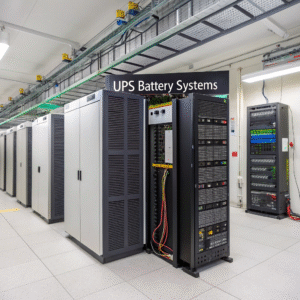
The New Standard for Future Homes — Energy Storage Batteries
Ever wondered why modern homes are ditching traditional power setups? With rising energy costs and unpredictable grids, homeowners are seeking smarter, more reliable solutions.
Energy storage batteries1 provide homes with backup power, reduce electricity bills, and enable energy independence2 by storing excess solar energy for later use, making them a future-proof investment.
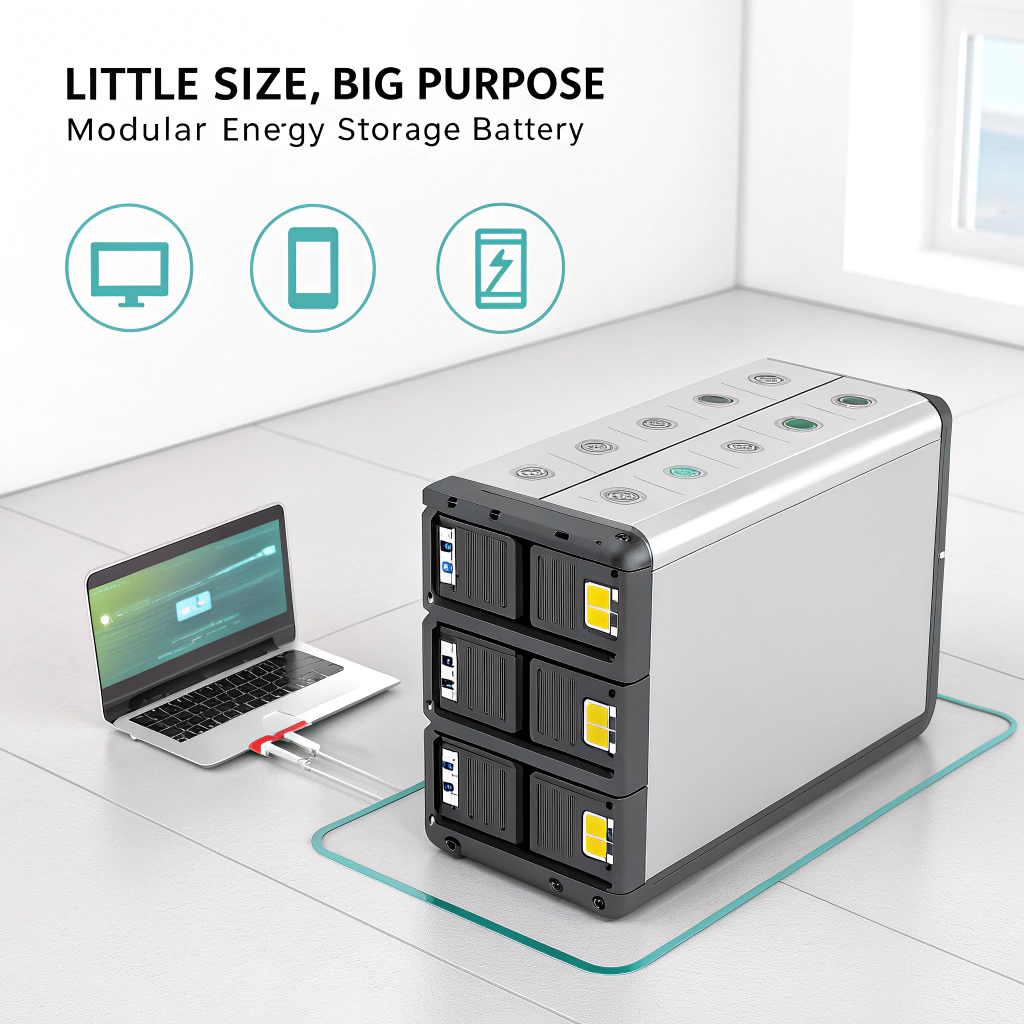
The shift from passive energy consumption to active energy management is revolutionizing how we power our homes. Let’s explore why energy storage systems are becoming indispensable.
Why Are So Many Homes Installing Energy Storage Systems?
Power outages and soaring bills got you frustrated? Energy storage batteries1 are the game-changer modern households need.
Homes install energy storage systems to ensure uninterrupted power during outages, maximize solar energy usage, and cut reliance on the grid, leading to long-term savings and sustainability.
The Rise of Energy Independence
Gone are the days of helplessly watching the lights flicker during a blackout. With a battery system, your home stays powered. Here’s how it works:
- Backup Power: Stores energy for outages, keeping essentials running.
- Solar Optimization: Captures excess solar energy instead of feeding it back to the grid at low rates.
- Load Shifting: Uses stored energy during peak tariff hours, slashing bills.
| Benefit | Impact |
|---|---|
| Energy Security | No more blackout anxiety |
| Cost Savings | Reduce bills by 30–70% |
| Eco-Friendly | Lower carbon footprint |
Financial Incentives3 and Grid Reliability
Utilities are increasingly unstable, and net metering policies are shrinking. Batteries let you:
- Avoid peak demand charges.
- Qualify for tax credits[^4] (e.g., U.S. federal ITC covers 30% of system costs).
- Sell stored energy back to the grid where permitted.
Pro Tip: Pairing batteries with solar panels amplifies returns—your system pays for itself faster.
A One-Time Investment for Years of Comfort and Savings
Tired of throwing money at monthly bills? Energy storage is the antidote to financial waste.
A home battery system is a long-term investment that reduces electricity expenses, increases property value[^5], and provides decades of reliable service with minimal maintenance.
Breaking Down the Costs
- Upfront Cost: $10,000–$20,000 (before incentives).
- Payback Period: 5–10 years (depending on usage and local rates).
- Lifespan: 10–15 years, with warranties often covering 70% capacity after a decade.
Case Study: A California homeowner saved $1,200/year by shifting load to battery during peak hours.
Beyond Savings: Added Home Value
Homes with storage systems sell faster and at a premium. Buyers value:
- Energy resilience.
- Lower operating costs.
- Future-ready infrastructure.
Did You Know? Some insurers offer discounts for homes with backup power.
From Using Power to Managing Power: A Smarter Way to Live
What if your home could think for itself? Smart energy management turns passive consumption into active control.
Energy storage systems enable intelligent power use via AI-driven software that optimizes charging/discharging, integrates with renewables, and adapts to weather and tariff changes.
How Smart Batteries Work
- Weather Adaptation: Pre-charges before storms or cloudy days.
- Tariff Optimization: Automatically avoids expensive grid power.
- App Integration: Monitor and control usage remotely.
Example: Tesla Powerwall[^6]’s Storm Watch mode activates backup reserves when severe weather is forecast.
The Future: Virtual Power Plants (VPPs)[^7]
Home batteries can aggregate into VPPs to:
- Stabilize the grid.
- Earn cash by supplying stored energy during demand spikes.
Table: Traditional vs. Smart Energy Use
| Aspect | Traditional Home | Smart Home with Battery |
|---|---|---|
| Outage Response | Power loss | Seamless backup |
| Energy Cost | Subject to peak rates | Optimized for savings |
| Sustainability | Grid-dependent | Solar + storage self-sufficiency |
Conclusion
Energy storage batteries1 redefine home power—ensuring savings, resilience, and smarter energy use for a sustainable future.
Quiz: Test Your Home Battery Knowledge
Further Reading: How to Choose the Right Battery for Your Home