The Next Wave in Sustainable Tech: Why Eco-Friendly Portable Power is Essential for Your Business?
Struggling to balance sustainability with operational efficiency? Eco-friendly portable power isn’t just a trend—it’s a game-changer for businesses aiming to reduce costs and carbon footprints simultaneously.
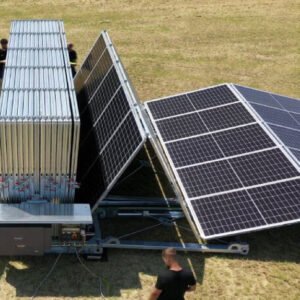
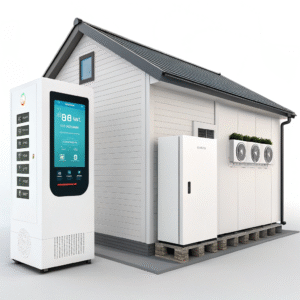
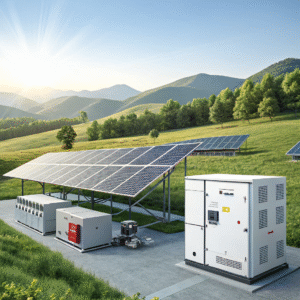
Eco-friendly portable power solutions, like solar generators1 and hydrogen fuel cells, cut energy costs by up to 40% while aligning with global sustainability goals, making them indispensable for forward-thinking businesses.
But how do these technologies translate across industries? Let’s explore their versatility and strategic value.
From Wilderness to Workspace: The Versatile Appeal of Eco-Friendly Portable Power for Every Niche
Whether you’re powering a remote research camp or a co-working space, portable clean energy adapts seamlessly—so why limit your potential?
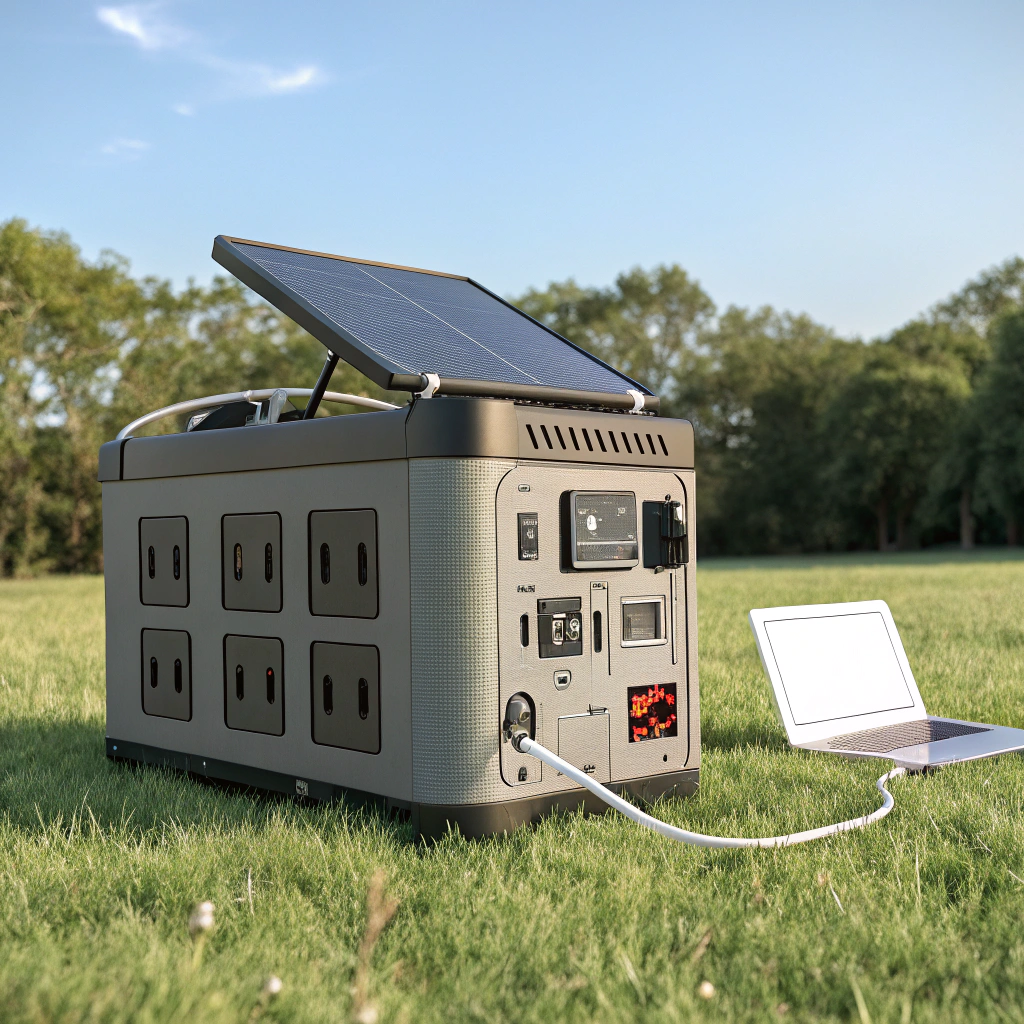
Eco-friendly portable power2 excels in diverse settings, from outdoor adventures to urban offices, by offering reliable, emissions-free energy without grid dependence.
Breaking Down the Niche Applications
-
Outdoor & Remote Work:
- Adventure Tourism: Solar-powered charging stations keep gear running in national parks.
- Field Research: Hydrogen fuel cells provide silent, long-lasting energy for sensitive equipment.
-
Urban & Corporate:
- Pop-Up Events: Battery stations replace noisy diesel generators at markets or festivals.
- Emergency Backup: Offices use portable solar units during grid outages.
| Use Case | Technology | Benefit |
|---|---|---|
| Remote Monitoring | Solar + Battery | Zero maintenance, off-grid |
| Construction Sites | Hydrogen Hybrids | High power, no emissions |
Key Insight: Modular designs allow scaling—start small for a single worksite, expand to enterprise fleets.
Boost Your B Corp Credentials: Integrating Eco-Friendly Portable Power into Your CSR Strategy
Want to impress stakeholders with tangible sustainability wins? Portable clean energy is your shortcut to credible ESG reporting.
Adopting eco-friendly power solutions can elevate your B Corp score by 12–15 points, demonstrating measurable reductions in Scope 2 emissions and energy waste3.
Strategic Implementation Steps
- Audit Energy Use: Identify high-diesel areas (e.g., delivery fleets, backup generators).
- Pilot Projects: Test solar generators at 1–2 sites, track cost/emission savings.
- Report Transparently: Showcase kWh saved and CO₂ avoided in annual sustainability reports.
Pro Tip: Partner with suppliers offering carbon-tracking software (e.g., Powerlytics) to automate data collection.
Simplify Sustainable Sourcing: Your Guide to High-Quality Eco-Friendly Portable Power Suppliers
Overwhelmed by greenwashing claims? Cut through the noise with a proven framework for vetting suppliers.
Top-tier suppliers offer third-party certifications (UL, CE), transparent lifecycle analyses, and scalable leasing options to minimize upfront costs.
Supplier Evaluation Checklist
- Certifications: Look for IEC 62133 (battery safety) and IP67 (weather resistance).
- Scalability: Can they support multi-site deployments?
- Circular Economy: Do they take back old units for recycling?
Avoid: Vendors lacking transparent supply chain disclosures (e.g., cobalt sourcing).
Conclusion
Eco-friendly portable power reduces costs, enhances sustainability, and future-proofs operations—making it a non-negotiable for modern businesses.