The ‘Sun-Kissed’ Advantage: How Solar Power Elevates the Perceived Quality of Your Hydroponic Harvest?
Problem: Hydroponic growers struggle with high energy costs and unpredictable market perception. Agitation: Rising electricity bills eat profits while consumers question artificial growing methods. Solution: Solar-powered hydroponics transforms both economics and brand perception.
Solar power enhances hydroponic quality perception1 by providing clean, sustainable energy that appeals to eco-conscious consumers while reducing operational costs and ensuring consistent production regardless of grid fluctuations.
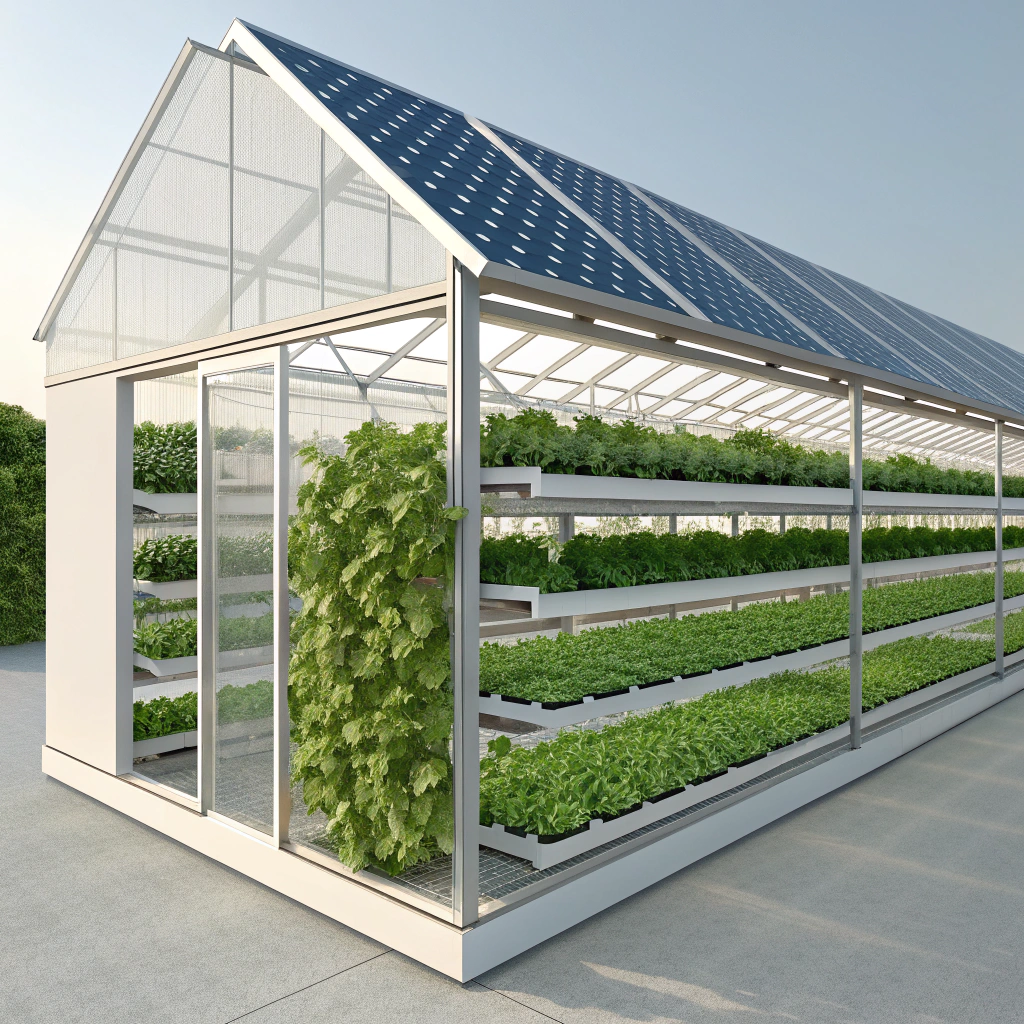
Looking back to when I first started growing hydroponically, I never imagined how much the power source behind my operation would influence customer perception. It's fascinating how something as simple as mentioning "solar-powered" on packaging can instantly elevate a product's perceived value. The shift toward renewable energy in agriculture isn't just about cost savings—it's about meeting the growing demand for sustainably produced food that consumers are willing to pay premium prices for.
Future-Proof Your Produce: How Solar Guarantees Stable Pricing & Supply for Hydroponic Crops?
Problem: Energy price volatility threatens profitability. Agitation: Unpredictable utility costs make financial planning impossible. Solution: Solar provides predictable, locked-in energy costs for decades.
Solar energy stabilizes hydroponic operations by eliminating energy price volatility2, ensuring consistent production costs, and providing energy independence that protects against supply disruptions and market fluctuations.
The Economics of Energy Independence
I remember the anxiety of receiving those monthly electricity bills during peak growing seasons—never knowing if energy costs would spike unexpectedly. Solar power transformed this uncertainty into predictable, stable operational expenses. With a properly sized solar array, hydroponic operations can achieve energy cost predictability for 20-25 years, fundamentally changing the business model from variable to fixed energy expenses.
Energy independence means protection against grid failures during critical growing periods. Battery storage systems ensure continuous operation even during outages, preventing crop loss that could devastate entire harvests. This reliability translates directly into consistent supply capabilities that buyers value highly.
| Benefit | Traditional Grid | Solar + Storage |
|---|---|---|
| Price Stability | Variable, unpredictable | Fixed for 20+ years |
| Supply Security | Grid-dependent | Energy independent |
| Peak Demand | Costly surcharges | Self-generated power |
Urban Vertical Farms: Powering High-Density Hydroponics with Compact Solar Arrays?
Problem: Urban farms face space constraints and high real estate costs. Agitation: Limited rooftop space seems inadequate for meaningful solar installations. Solution: Innovative mounting systems maximize solar density in minimal spaces.
Compact solar arrays optimize urban vertical farms3 through efficient space utilization, rooftop installations, and integrated building designs that generate substantial power despite space limitations.
Maximizing Solar Potential in Confined Spaces
Urban vertical farming presents unique challenges that I've learned to overcome through creative solar solutions. The key insight is that vertical farms, despite their compact footprints, often have excellent solar access due to their height and strategic urban positioning. Modern high-efficiency panels can generate impressive power output even in limited rooftop areas.
Innovative mounting solutions include tilted arrays that maximize sun exposure, bifacial panels that capture reflected light from building surfaces, and even building-integrated photovoltaics that serve dual purposes. I've seen installations where clever panel positioning increased energy generation by 30% compared to standard flat installations.
Ground-mount options in adjacent parking areas or unused urban lots can supplement rooftop capacity. The economics work because urban electricity rates are typically highest, making solar payback periods shorter despite higher installation costs.
| Installation Type | Space Efficiency | Power Output | Urban Suitability |
|---|---|---|---|
| Rooftop Arrays | High | Moderate | Excellent |
| Bifacial Panels | Very High | High | Outstanding |
| Ground Mount | Moderate | Very High | Good |
Mitigating Peak Demand Charges: Solar's Strategy for Lowering Operating Costs in Hydroponic Operations?
Problem: Peak demand charges create massive utility bills. Agitation: Growing operations face punitive charges during high-consumption periods. Solution: Solar generation and battery storage eliminate peak demand penalties.
Solar systems with battery storage eliminate peak demand charges by providing power during high-consumption periods, reducing utility bills by 40-70% through strategic load management and energy generation timing.
Strategic Load Management Through Solar
Peak demand charges were the hidden cost that nearly killed my early hydroponic ventures. These charges, based on your highest 15-minute power consumption period, can represent 50-70% of your electricity bill even if they occur just once per month. Solar power with intelligent battery systems completely transforms this dynamic.
The strategy involves generating excess solar power4 during peak sun hours and storing it for use during peak demand periods—typically late afternoon when lighting systems ramp up but solar generation decreases. Smart inverters can automatically manage this load balancing, ensuring grid power consumption never spikes into penalty territory.
Time-of-use optimization becomes another powerful tool. Solar generation peaks during expensive midday utility rates, while stored power handles evening operations when rates are highest. This dual benefit—avoiding peak charges while using free solar power—creates compound savings that dramatically improve profitability.
Advanced monitoring systems track consumption patterns and predict peak demand events, automatically deploying stored solar power to prevent costly spikes. The result is operational cost reduction that makes hydroponic operations significantly more competitive with traditional agriculture.
Conclusion
Solar power transforms hydroponic operations by enhancing product perception, stabilizing costs, optimizing urban spaces, and eliminating peak demand charges5 for maximum profitability.
Learn about the impact of quality perception on consumer purchasing decisions in hydroponics. ↩
Understand the impact of energy price fluctuations on the profitability of hydroponic farms. ↩
Discover innovative solutions for maximizing energy efficiency in urban vertical farming. ↩
Explore how solar power can enhance hydroponic systems and improve sustainability. ↩
Learn strategies to mitigate peak demand charges and lower energy costs for hydroponic operations. ↩