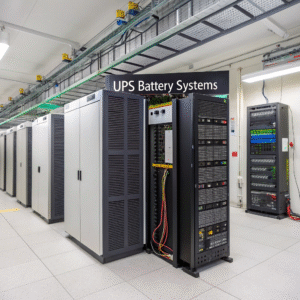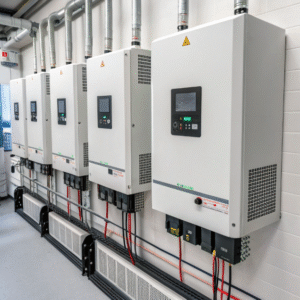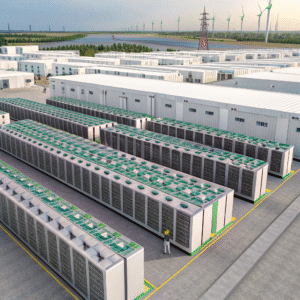
The Value of Energy Storage Batteries in Large-Scale Projects
Energy costs spiraling out of control? Large-scale projects face mounting pressure to optimize energy usage while keeping budgets in check. Energy storage batteries1 might just be the solution you've been searching for.
Energy storage batteries1 provide critical load-shifting capabilities2, peak shaving3, and renewable integration[^4], delivering 20-40% cost savings[^5] while improving energy reliability[^6] for large-scale commercial and industrial projects.
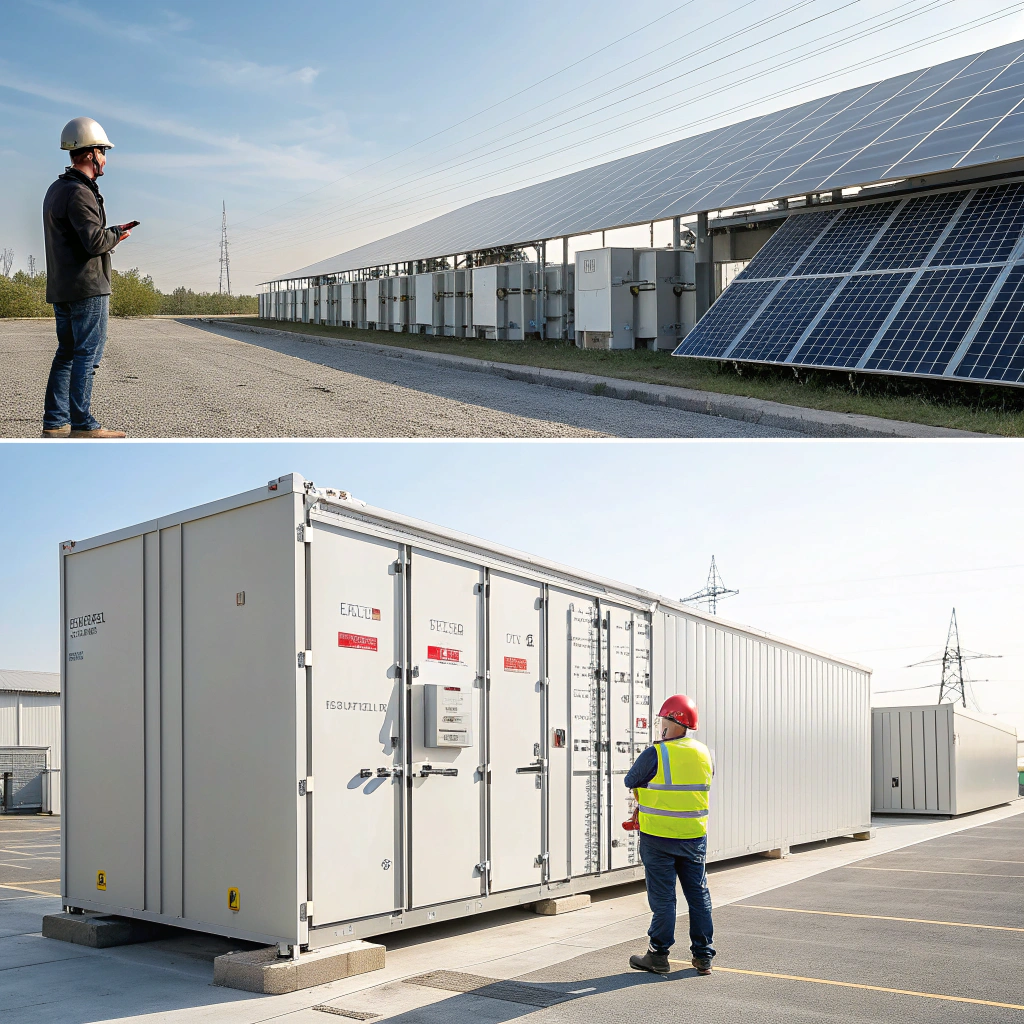
The energy landscape is transforming rapidly, and forward-thinking project managers are turning to battery storage systems as a game-changing asset. These systems don't just store power - they revolutionize how large facilities manage their energy consumption, turning what was once an expense into a strategic advantage.
How Can Energy Storage Batteries Optimize Energy Management and Improve Business Efficiency?
Struggling with unpredictable energy bills and inefficient power usage? The solution might be sitting right in your facility's energy storage system.
Energy storage batteries1 optimize management through intelligent load shifting, storing cheap off-peak energy for peak hour use, reducing demand charges by 30-70%, while providing backup power that minimizes operational downtime.
The Financial Mechanics of Load Shifting
Having worked with manufacturing plants implementing storage systems, I've seen firsthand how batteries transform energy economics. The concept is simple yet powerful:
- Time-of-Use Arbitrage[^7]: Purchase and store energy when rates are lowest (typically overnight)
- Peak Shaving: Discharge during expensive peak periods (usually 4-9pm on weekdays)
- Demand Charge Management[^8]: Smooth out consumption spikes that trigger costly demand charges
The financial impact can be staggering. One automotive plant we worked with reduced their monthly demand charges from $120,000 to just $35,000 after implementing a 2MW/4MWh battery system.
Beyond Basic Storage: Advanced Grid Services
Modern battery systems offer revenue-generating potential through:
| Service | Potential Revenue | Requirements |
|---|---|---|
| Frequency Regulation[^9] | $30-50/kW-year | Fast response capability |
| Capacity Markets[^10] | $5-15/kW-month | Minimum duration requirements |
| Demand Response[^11] | $100-300/kW-year | Grid interconnection |
These ancillary services can turn your energy storage from a cost center into a profit center, with some facilities achieving ROI in under 5 years.
The Resilience Factor
During a recent grid outage, one hospital's battery system seamlessly took over critical loads before the generators even needed to start. This instant response capability:
- Prevents costly production stoppages
- Maintains climate control for sensitive processes
- Ensures continuous operation of security systems
The hidden value in avoided downtime often exceeds the direct energy savings.
Battery storage can reduce demand charges by over 50%. True
By smoothing consumption spikes, batteries significantly lower the peak demand that utilities use to calculate charges.
All battery systems qualify for grid service revenues[^12]. False
Participation requires specific technical capabilities and often grid operator certification.
How Do Energy Storage Batteries Reduce Initial Investment Costs in Large-Scale Projects?
Facing sticker shock on your project's energy infrastructure costs? Battery storage might help slash those upfront numbers more than you think.
Energy storage reduces initial costs by deferring expensive grid upgrades, optimizing generator sizing, and qualifying for substantial incentives - often cutting total project CAPEX by 15-25% while providing future-proof flexibility.
The Grid Upgrade Deferral Play
I'll never forget the lightbulb moment when a client realized their $3 million planned substation upgrade could be postponed indefinitely with a $800,000 battery installation. Storage systems achieve this by:
- Load Leveling: Preventing short-duration peaks that trigger upgrade requirements
- Voltage Support: Providing reactive power to maintain grid stability
- Congestion Relief: Absorbing excess renewable generation during low demand
Right-Sizing Your Energy Assets
The traditional approach to backup power - massive diesel generators sitting idle 99% of the time - represents one of the most inefficient capital allocations in infrastructure. Battery storage enables:
- Generator Downsizing: Use batteries for short outages, smaller gens for long durations
- Hybrid Systems: Combine solar+storage to reduce fuel storage needs
- Phased Implementation: Start with critical loads, expand as needed
A data center project we consulted on saved $1.2 million in upfront costs by reducing generator capacity from 4MW to 2MW and adding 1MW/2MWh of batteries.
Incentive Stacking 101
The financial case becomes even stronger when you layer available incentives:
| Incentive Type | Typical Value | Example Programs |
|---|---|---|
| Investment Tax Credit | 30% of cost | US ITC (now includes standalone storage) |
| Accelerated Depreciation | 20-30% NPV benefit | MACRS (US), Capital Allowances (UK) |
| Rebates | $100-500/kWh | SGIP (California), NYSERDA (New York) |
One industrial park development combined four different incentives to achieve a 50% effective cost reduction on their storage system.
Batteries can eliminate the need for transformer upgrades. True
By managing peak loads, storage often defers or avoids expensive grid infrastructure investments.
All storage projects qualify for the 30% ITC. False
Only systems charged by renewables (or standalone after 2023) qualify in the US.
How Can Energy Storage Batteries Help Businesses Manage Cost Pressures from Power Price Fluctuations?
Watching energy markets swing wildly while your budgets need predictability? Battery storage offers a stabilizing force in volatile energy markets.
Energy storage mitigates price volatility through strategic energy arbitrage, fixed-rate optimization, and hedging strategies - typically reducing overall energy costs by 20-40% while providing budget certainty.
The Art of Energy Arbitrage
Having helped numerous businesses navigate energy markets, I've developed a keen appreciation for storage's unique ability to "buy low, sell high" with electrons. The strategy hinges on:
- Wholesale Market Participation: Automated bidding into day-ahead and real-time markets
- Retail Rate Optimization: Shifting consumption away from highest TOU periods
- Forward Position Management: Storing energy when future prices look unfavorable
A food processing plant we worked with saved $280,000 annually by combining wholesale arbitrage with demand charge management.
Price Hedging Without the Complexity
For risk-averse operators, batteries offer simplified hedging:
| Strategy | How It Works | Risk Profile |
|---|---|---|
| Fixed-Rate Optimization | Locks in low overnight rates for daytime use | Low |
| Contract for Differences | Guarantees price bands regardless of market moves | Medium |
| Virtual PPAs | Paired with renewables for predictable costs | Medium-High |
The Inflation Hedge You Didn't Know You Had
In our current high-inflation environment, storage systems provide unique protection:
- Energy costs typically rise faster than general inflation
- Storage "locks in" cheaper rates for future use
- Systems appreciate as energy prices increase
One university's 10-year financial model showed their storage system effectively providing a 6% annual return simply through inflation hedging - before counting any operational savings.
Batteries can provide effective inflation protection[^13]. True
By locking in energy costs, storage systems hedge against rising power prices.
Energy arbitrage requires constant manual intervention. False
Modern systems automate market participation using AI-driven bidding algorithms.
Conclusion
Energy storage batteries1 transform large-scale projects through cost reduction, risk management, and operational resilience - delivering 20-40% savings while future-proofing energy infrastructure.