Turn Sunlight into Savings: How Your Factory Can Dramatically Cut Operating Costs with Commercial Solar?
Problem: Rising electricity bills are crushing your factory's profit margins. Agitate: Every month, energy costs eat deeper into your bottom line. Solution: Commercial solar1 delivers immediate and long-term savings.
Commercial solar systems can reduce factory operating costs by 50-90% through lower electricity bills, tax incentives, and predictable energy expenses over 25+ years of system life.
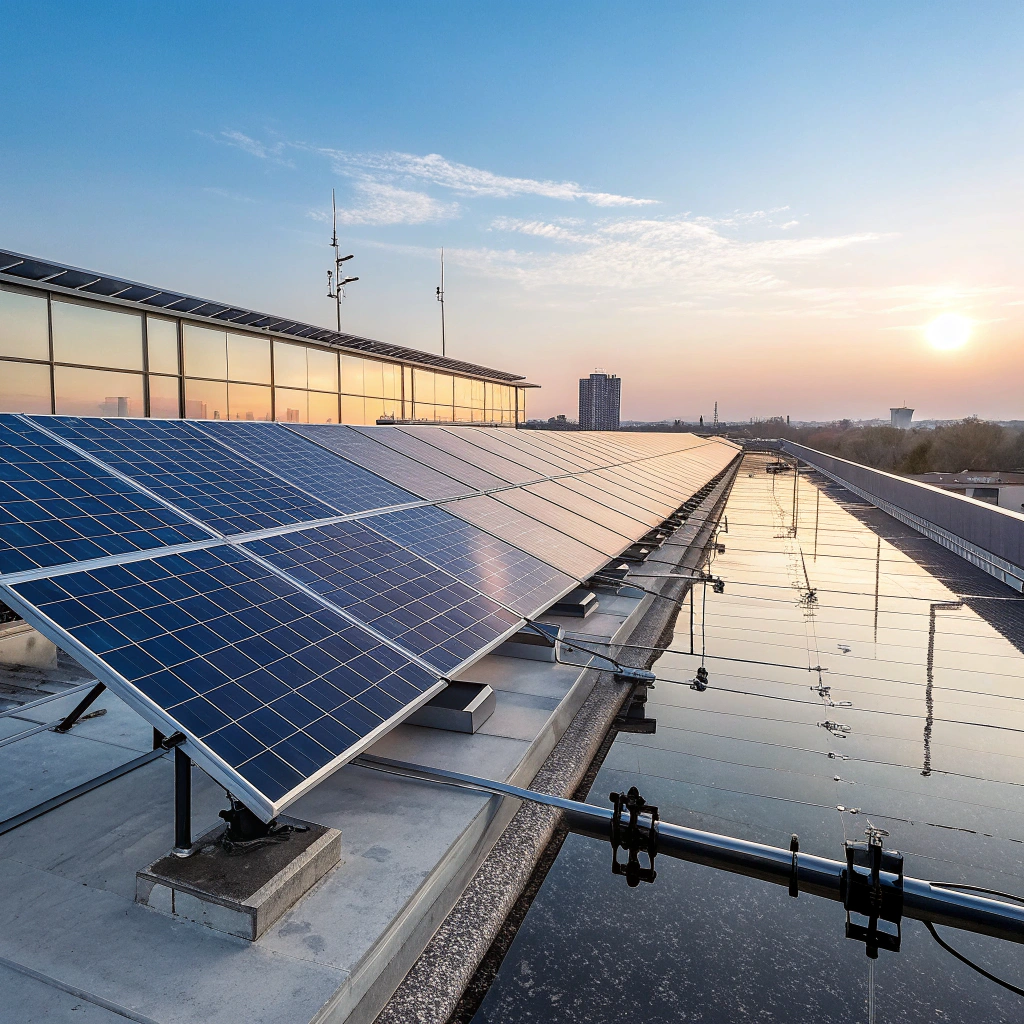
The numbers don't lie—factories across the country are slashing their operating expenses while boosting their bottom line through strategic solar investments. Let me walk you through how this transformation can work for your facility, drawing from real-world examples and proven strategies that have helped manufacturers reclaim control over their energy costs.
From Grid Vulnerability to Solar Strength: Securing Your Operations with a Reliable On-Site Power Supply?
Grid instability threatens your production schedule. Power outages cost thousands per hour in lost productivity. Solar with battery storage2 provides uninterrupted manufacturing operations.
On-site solar systems with battery backup eliminate grid dependency, ensuring consistent power supply during outages and voltage fluctuations that can damage sensitive manufacturing equipment.
Understanding Grid Vulnerabilities in Manufacturing
I've witnessed firsthand how grid instability3 can devastate a production line. During peak demand periods, voltage fluctuations can damage precision equipment, while unexpected outages bring entire facilities to a grinding halt. The cascading effects ripple through supply chains, affecting delivery schedules and customer relationships.
Modern manufacturing relies heavily on consistent power quality. Sensitive equipment like CNC machines, robotic systems, and climate-controlled storage require stable electricity to function optimally. Grid-supplied power often experiences:
- Voltage sags during peak demand periods
- Frequency variations that affect motor-driven equipment
- Complete outages during storms or infrastructure failures
- Power quality issues from aging grid infrastructure
| Grid Challenge | Manufacturing Impact | Solar Solution |
|---|---|---|
| Voltage fluctuations | Equipment damage/downtime | Consistent DC-to-AC conversion |
| Peak demand charges | 30-50% higher electricity costs | Self-generated power during peak hours |
| Outage frequency | Production delays | Battery backup systems |
Building Energy Independence Through Solar
The transformation from grid dependence to energy independence isn't just about installing panels—it's about creating a comprehensive power strategy. When I helped a textile manufacturer transition to solar, we discovered their peak energy consumption aligned perfectly with peak solar production hours, creating an ideal synergy.
Battery storage systems have revolutionized how factories approach energy security. These systems store excess solar generation during optimal sun hours, providing power during evening shifts or cloudy periods. The peace of mind that comes from knowing your production won't halt due to grid issues is invaluable.
The Ultimate Backup: Why Solar Provides Essential Resilience in Unstable Grids?
Unreliable power grids threaten continuous production. Equipment damage from power surges costs thousands in repairs. Solar systems with smart inverters provide clean, stable electricity.
Solar installations offer superior power quality compared to grid electricity, protecting sensitive manufacturing equipment while providing backup power during grid failures and emergency situations.
Power Quality Advantages of Solar Systems
Solar installations deliver remarkably clean electricity compared to traditional grid power. The inverters used in modern solar systems produce consistent sine wave electricity4 that's often superior to what utilities provide. This clean power protects sensitive electronics and extends equipment lifespan.
I remember working with a pharmaceutical manufacturer who experienced constant issues with their precision mixing equipment due to grid power fluctuations. After installing a solar system with power conditioning capabilities, their equipment reliability improved dramatically, reducing maintenance costs by 40%.
Emergency Preparedness Through Solar Resilience
Natural disasters and grid failures don't announce themselves in advance. Having witnessed Hurricane Sandy's impact on manufacturing facilities, I've seen how solar-plus-storage systems can mean the difference between maintaining operations and losing weeks of production.
Emergency backup capabilities extend beyond just keeping lights on. Critical systems like:
- Security systems and surveillance
- Climate control for sensitive materials
- Communication systems for coordinating response
- Essential production equipment for priority orders
| Emergency Scenario | Traditional Response | Solar + Storage Response |
|---|---|---|
| Extended grid outage | Complete shutdown | Continued limited operations |
| Storm approach | Preventive shutdown | Weather-independent operation |
| Rolling blackouts | Unpredictable interruptions | Seamless power continuity |
A Bright Investment: Why Solar Panels are the Smartest Way to Leverage Your Region's Constant Sunshine?
Abundant sunshine goes unused while electricity bills soar. Your region's solar resource represents untapped savings potential. Converting sunlight to electricity delivers immediate financial returns.
Regions with high solar irradiance5 can achieve 15-25% ROI on commercial solar investments, with payback periods of 3-7 years depending on local incentives and electricity rates.
Maximizing Regional Solar Resources
Every geographic location has unique solar advantages that smart manufacturers can leverage. I've worked with facilities in the Southwest where abundant sunshine translates to exceptional solar production, while helping East Coast manufacturers optimize their systems for varying seasonal conditions.
Understanding your local solar resource involves analyzing several factors:
- Annual solar irradiance levels (measured in kWh/m²/day)
- Seasonal variation patterns
- Weather patterns and cloud coverage
- Optimal panel orientation and tilt angles
The key is matching your energy consumption patterns with your region's solar production profile. Peak manufacturing hours often coincide with peak solar production, creating natural efficiency.
Financial Optimization Strategies
The financial benefits of commercial solar extend far beyond simple electricity bill reduction. Federal tax incentives, including the Investment Tax Credit (ITC), can cover 30% of system costs. Many states offer additional rebates, accelerated depreciation schedules, and performance-based incentives.
I've helped manufacturers structure solar investments to maximize cash flow benefits:
Year 1 Benefits:
- 30% federal tax credit
- Accelerated depreciation deductions
- Immediate electricity bill reduction
- Potential state/utility rebates
Long-term Benefits (Years 2-25+):
- Predictable electricity costs
- Protection against utility rate increases
- Minimal maintenance requirements
- Potential revenue from excess generation
| Financial Metric | Typical Range | Optimization Strategy |
|---|---|---|
| Payback period | 3-7 years | Maximize incentives and system size |
| ROI | 15-25% | Strategic financing and tax planning |
| NPV over 25 years | $500K-$2M+ | Long-term utility rate escalation |
Commercial solar systems reduce manufacturing costs while increasing energy independence and operational resilience for long-term business sustainability.
Explore how commercial solar can significantly reduce operating costs and enhance energy independence for your factory. ↩
Understand the role of battery storage in maximizing solar energy efficiency and ensuring power reliability. ↩
Gain insights into how grid instability affects production and how solar can mitigate these risks. ↩
Understand the importance of sine wave electricity in protecting sensitive manufacturing equipment. ↩
Understand the significance of solar irradiance in optimizing solar energy production for your facility. ↩