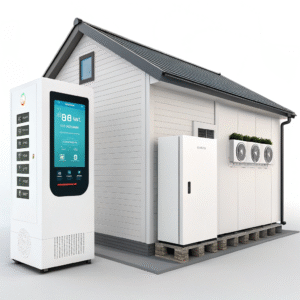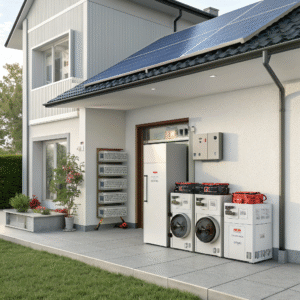
Unlock New Revenue Streams: The Booming Demand for Residential & Commercial Energy Storage?
Problem: Energy costs are skyrocketing while grid reliability plummets. Agitation: Traditional power solutions can't keep up. Solution: Energy storage systems offer profitable opportunities.
Energy storage systems1 generate revenue through peak shaving, grid services, and backup power applications, creating multiple income streams for both residential and commercial installations.
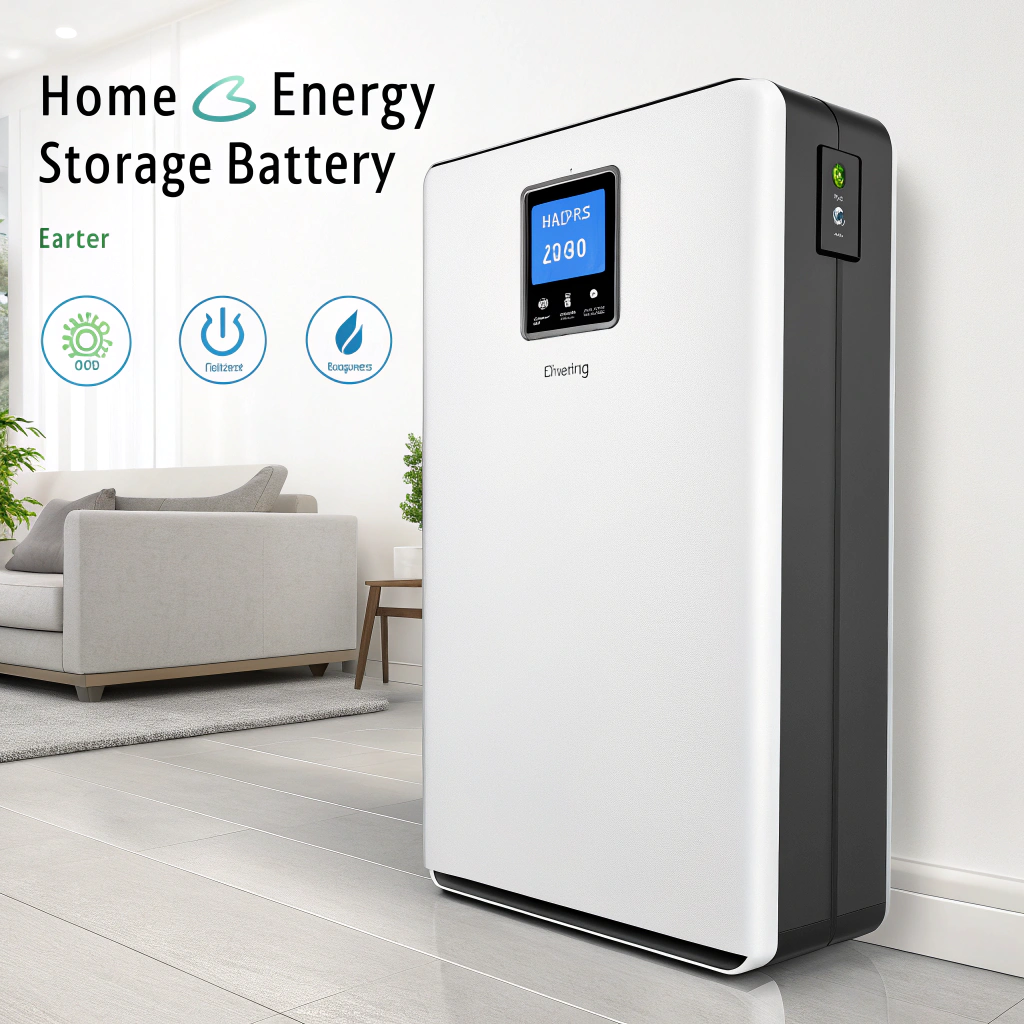
The energy storage revolution isn't just coming—it's here, and savvy distributors who position themselves now will reap the rewards for decades to come.
Beyond Kilowatt-Hours: What Every Distributor Needs to Know About Lithium Battery Performance Metrics?
Problem: Distributors focus only on capacity specs. Agitation: Customers demand more than just kilowatt-hours. Solution: Understanding comprehensive performance metrics drives sales success.
Key lithium battery performance metrics2 include cycle life, depth of discharge, round-trip efficiency, and power density—factors that determine real-world value beyond simple capacity ratings.
Understanding the Complete Performance Picture
When I first entered the energy storage market, I made the classic mistake of selling batteries like commodities—focusing solely on capacity and price. That approach cost me deals and frustrated customers who didn't understand why their "high-capacity" systems underperformed expectations.
The reality is that modern lithium battery performance encompasses multiple critical metrics that work together to determine system value. Cycle life3 indicates how many charge-discharge cycles a battery can handle before degrading to 80% capacity. Depth of discharge (DoD) reveals how much stored energy you can actually use without damaging the battery. Round-trip efficiency shows energy losses during storage and retrieval—typically 90-95% for quality lithium systems.
Here's what separates winning distributors from the pack:
| Metric | Why It Matters | Typical Range |
|---|---|---|
| Cycle Life | Determines replacement frequency and ROI | 3,000-10,000 cycles |
| Round-Trip Efficiency | Affects operating costs and payback period | 85-95% |
| Power Density | Influences system size and installation costs | 200-400 W/kg |
| Temperature Range | Determines installation flexibility | -20°C to 60°C |
Understanding these metrics transforms conversations from price negotiations into value consultations, positioning you as the trusted advisor customers seek.
Longevity & Reliability: How to Articulate the Long-Term Value of Lithium-Ion Battery Investments?
Problem: Customers see upfront costs, not lifetime value. Agitation: Competitors win with cheaper, inferior solutions. Solution: Frame investments through total cost of ownership lens.
Lithium-ion battery investments deliver superior long-term value through extended lifespans, minimal maintenance requirements, and consistent performance degradation curves that enable predictable financial planning.
Building the Business Case for Quality
The art of selling premium energy storage isn't about justifying higher prices—it's about revealing hidden costs in cheaper alternatives. I've watched too many customers choose bargain batteries only to face premature replacements, safety issues, and performance disappointments.
Quality lithium-ion systems typically offer 15-20 year lifespans compared to 5-8 years for budget alternatives. But the real value lies in predictable degradation patterns. Premium batteries lose approximately 2-3% capacity annually, following well-documented curves that enable accurate long-term planning.
Maintenance advantages create additional value:
- Minimal scheduled maintenance (annual inspections vs. monthly for lead-acid)
- Remote monitoring capabilities reduce service calls
- Thermal management systems prevent costly temperature-related failures
- Advanced BMS protection eliminates most failure modes
The total cost of ownership calculation becomes compelling when you factor in:
| Cost Factor | Premium Lithium | Budget Alternative |
|---|---|---|
| Initial Investment | $800/kWh | $400/kWh |
| Replacement Frequency | Every 20 years | Every 6 years |
| Maintenance Costs | $50/year | $200/year |
| Performance Degradation | Predictable 2-3% | Variable 5-10% |
Smart distributors use warranty terms as value indicators—premium manufacturers offer 10+ year warranties because they're confident in their products' longevity.
Staying Ahead of the Curve: Key Innovations & Future Trends in the Lithium Battery Storage Sector?
Problem: Technology evolves rapidly in energy storage. Agitation: Outdated knowledge kills competitive advantage. Solution: Understanding emerging trends positions distributors for future success.
The lithium battery storage sector is advancing through solid-state technologies, AI-powered management systems4, and integrated renewable energy solutions that will reshape market opportunities over the next decade.
Emerging Technologies Reshaping the Market
The energy storage landscape transforms faster than most distributors realize. Solid-state batteries5 promise 50% higher energy density and improved safety by 2027-2030. Silicon nanowire anodes could boost capacity by 30-40% while maintaining cycle life. These aren't distant possibilities—they're in late-stage development.
Artificial intelligence integration represents the most immediate opportunity. Modern battery management systems use machine learning to:
- Optimize charging patterns based on usage history
- Predict maintenance needs before failures occur
- Balance grid services automatically for revenue maximization
- Adapt to weather patterns for solar integration
Market convergence trends create new revenue opportunities:
| Trend | Market Impact | Distributor Opportunity |
|---|---|---|
| EV-Grid Integration | Vehicles become storage assets | V2G equipment sales |
| Microgrids | Community energy independence | System integration services |
| Green Hydrogen | Long-term storage solutions | Hybrid system design |
| Grid Modernization | Utility-scale opportunities | B2B partnerships |
The smart money is on distributors who build relationships with innovative manufacturers now, before these technologies hit mainstream adoption. Position yourself as the go-to source for cutting-edge solutions, and customers will follow you through each technological evolution.
Conclusion
Energy storage presents unprecedented opportunities for distributors who master performance metrics, articulate long-term value, and stay ahead of technological trends.
Explore how energy storage systems can create multiple income streams and enhance profitability. ↩
Understanding these metrics is crucial for maximizing sales and customer satisfaction. ↩
Learn how cycle life impacts battery longevity and replacement frequency. ↩
Learn how AI can optimize battery usage and predict maintenance needs. ↩
Explore the future of energy storage with solid-state battery technology. ↩