Weather Any Storm: Resilient Power Generation with Our Mobile, Containerized PV Systems
Problem: Power outages and energy shortages can cripple operations when you need electricity most.
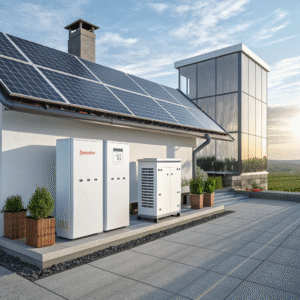
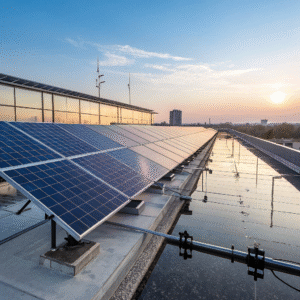
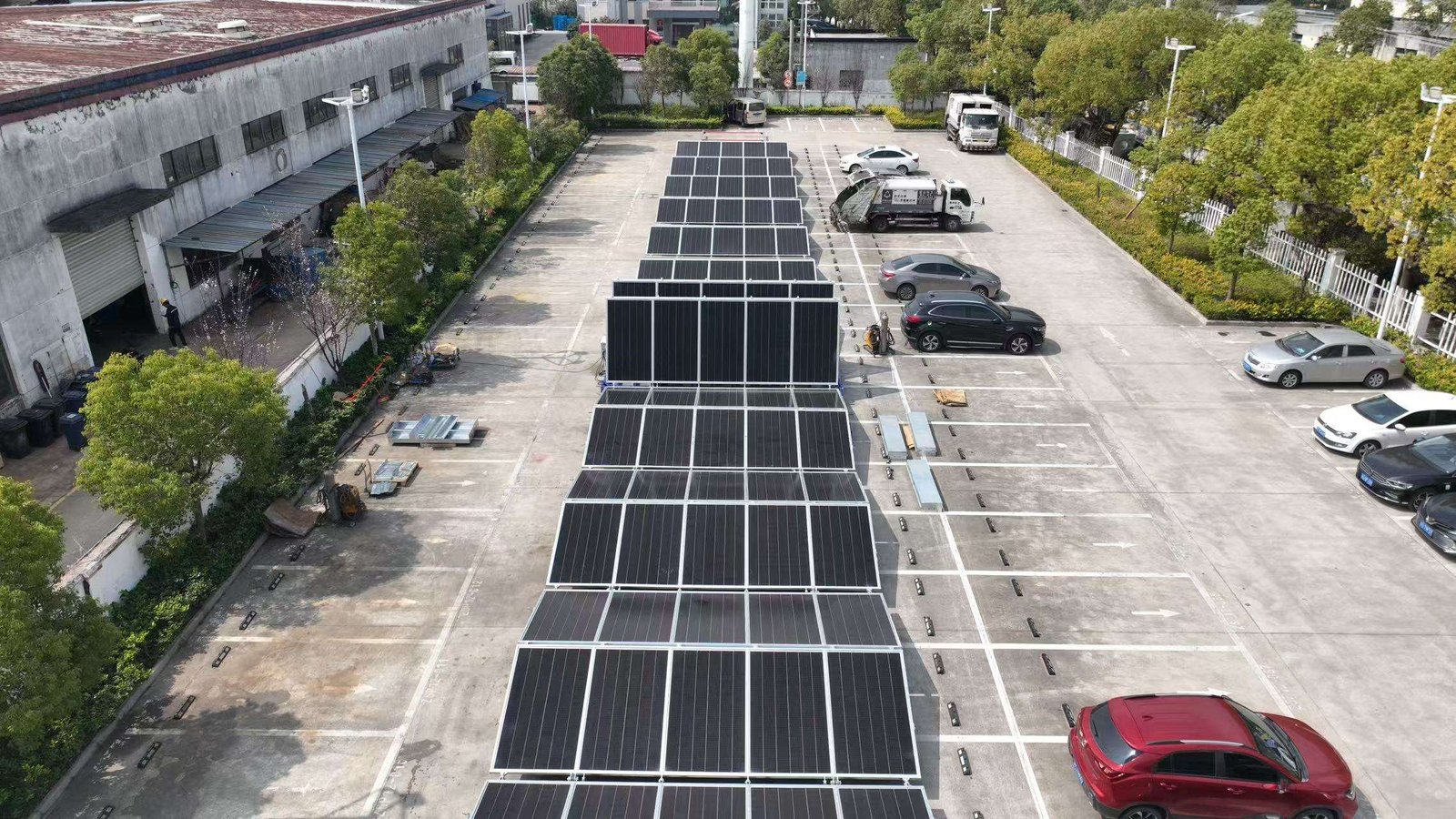
Mobile containerized PV systems1 provide reliable, portable solar power generation that can be rapidly deployed anywhere, ensuring continuous energy supply for critical operations during emergencies or remote applications.
Just like I learned that the right mold design could make or break a manufacturing operation, choosing the right power solution can determine whether your business stays operational during challenging times. These mobile solar systems represent the same kind of strategic thinking I've applied in manufacturing—finding versatile, cost-effective solutions that deliver when it matters most.
Footprint-Free Energy: Achieving Sustainable Operations with Portable Solar Container Tech?
Problem: Traditional solar installations require permanent land use and lengthy setup times, limiting deployment options.
Portable solar containers eliminate land footprint requirements while providing immediate clean energy deployment, enabling sustainable operations without permanent infrastructure commitments or environmental impact.
Understanding the Technology Behind Mobile Solar Containers
When I first encountered containerized solar technology2, it reminded me of the modular approaches I used in injection molding—standardized components that could be quickly assembled for maximum efficiency. These systems integrate photovoltaic panels, battery storage3, power inverters, and monitoring equipment into weatherproof shipping containers.
The beauty lies in their plug-and-play design4. Much like how I standardized mold components to reduce maintenance costs, these containers use standardized connections and interfaces. This means deployment teams can set up a complete power station in hours rather than months.
| Component | Function | Benefit |
|---|---|---|
| PV Panels | Solar energy capture | Zero fuel costs |
| Battery Storage | Energy storage | 24/7 power availability |
| Inverters | DC to AC conversion | Grid-compatible output |
| Monitoring | System oversight | Predictive maintenance |
Deployment Flexibility and Rapid Setup
The rapid deployment capability reminds me of the quick mold change systems I implemented to reduce downtime. These mobile units can be transported by truck, ship, or aircraft, then operational within 4-8 hours of arrival. No foundation work, no permitting delays—just immediate power when you need it.
Environmental and Economic Advantages
From a sustainability perspective, these systems operate with zero emissions during use, much like how I found recycling production waste created both environmental and economic benefits. The containers protect sensitive equipment from weather extremes while maintaining optimal operating temperatures through integrated climate control systems.
Reliability Redefined: Critical Power When and Where You Need It Most with Mobile Solar Containers?
Problem: Critical facilities need guaranteed power backup that traditional generators can't provide sustainably or quietly.
Mobile solar containers deliver silent, emission-free critical power with integrated battery backup, ensuring reliable electricity for hospitals, data centers, and emergency operations without fuel dependency or noise pollution.
Battery Storage and Grid Independence
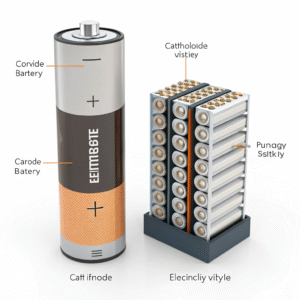
The integrated battery systems in these containers provide the same kind of reliability I sought when optimizing production processes—consistent performance regardless of external conditions. Advanced lithium-ion battery arrays store excess solar energy during peak sunlight hours, then release it during cloudy periods or nighttime operations.
Modern battery management systems monitor individual cell performance, temperature, and charge cycles to maximize lifespan and safety. This level of control reminds me of the precision I applied to injection molding parameters—every detail matters for optimal performance.
Redundancy and Backup Systems
Critical applications require redundant systems, much like how I implemented quality control checkpoints in manufacturing. These mobile units feature:
- Dual inverter systems for continued operation if one fails
- Multiple battery banks with independent monitoring
- Automatic transfer switches for seamless grid integration
- Remote monitoring for predictive maintenance alerts
Weather Resistance and Durability
The containerized design provides protection equivalent to permanent installations while maintaining mobility. Weatherproof enclosures protect against hurricane-force winds, flooding, and extreme temperatures. This robust design philosophy mirrors the durability considerations I applied when selecting materials for challenging manufacturing environments.
Plug-and-Play Prosperity: Empowering Businesses and Communities with Deployable Solar Energy?
Problem: Remote communities and businesses lack access to reliable electricity infrastructure for economic development.
Deployable solar containers enable immediate electrification of remote locations, providing scalable power solutions5 that support economic growth, education, healthcare, and community development without waiting for grid infrastructure.
Scalable Power Solutions for Growing Needs
Just as I learned to optimize cavity numbers in molds based on production requirements, these solar systems can be scaled by linking multiple containers. A single 20-foot container might power a small clinic, while connecting several units can support entire villages or industrial operations.
The modular approach allows for phased deployment as energy needs grow, similar to how I incrementally automated production processes as volume increased. This flexibility makes solar containers ideal for:
- Remote mining operations requiring immediate power
- Disaster relief efforts needing rapid deployment
- Rural electrification projects in developing regions
- Temporary event power for festivals or construction
Economic Impact and Community Development
The economic benefits extend beyond just electricity provision. Reliable power enables:
| Sector | Impact | Economic Benefit |
|---|---|---|
| Healthcare | 24/7 clinic operation | Reduced medical evacuations |
| Education | Evening classes, computers | Increased literacy rates |
| Commerce | Refrigeration, communications | Local business growth |
| Manufacturing | Small-scale production | Job creation |
Integration with Existing Infrastructure
These systems can operate independently or integrate with existing power grids, providing the same versatility I valued when designing interchangeable mold components. Smart grid-tie capabilities allow excess power to be fed back into local networks, creating potential revenue streams for operators.
Microgrid formation becomes possible when multiple containers work together, creating resilient power networks that can isolate and reconnect as needed. This distributed approach reduces single points of failure while maximizing system reliability.
Conclusion
Mobile containerized PV systems deliver reliable, sustainable power anywhere it's needed, transforming how we approach energy generation and distribution challenges.
Explore how these systems provide reliable, portable solar power for critical operations during emergencies. ↩
Find out how containerized solar technology can revolutionize energy deployment. ↩
Explore the role of battery storage in ensuring continuous power availability. ↩
Understand the advantages of plug-and-play designs for quick and efficient solar system setups. ↩
Discover how scalable solutions can meet growing energy demands effectively. ↩