Why Portable Power Stations Are Becoming a Must-Have for Outdoor Living?
Tired of being tethered to electrical outlets during your outdoor adventures? Portable power stations1 are revolutionizing how we experience nature without sacrificing modern comforts.
Portable power stations1 provide reliable, clean energy for outdoor activities by storing electricity in lithium batteries2, offering silent operation3, zero emissions[^4], and versatile charging options compared to traditional gas generators.
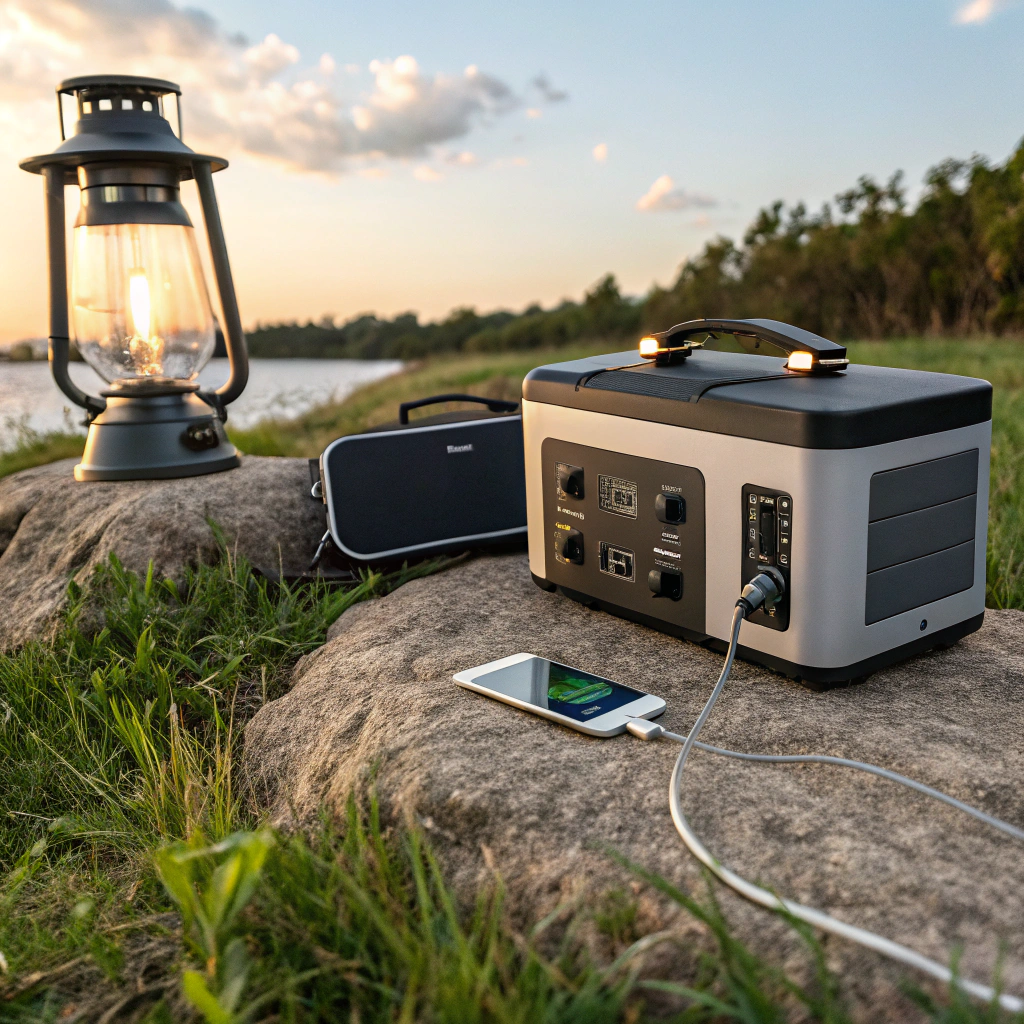
From weekend camping trips to emergency home backup[^5], these compact power hubs are changing the game. Let’s explore why they’re essential for modern outdoor living.
How Portable Power Stations Work — Explained in a Simple Way
Ever stared at a dead phone in the wilderness and wished for a magic power box? Portable power stations1 make that magic real.
Portable power stations1 store energy in high-capacity lithium batteries2, converting DC power to AC via inverters to charge devices. They recharge via wall outlets, carports, or solar panels[^6], acting as mobile electrical outlets for off-grid use.
Breaking Down the Technology
-
Battery Core:
- Lithium-ion (LiFePO4) batteries dominate for their longevity (3,000+ cycles) and safety.
- Capacity ranges from 200Wh (phones/laptops) to 2,000Wh (appliances like mini-fridges).
-
Input/Output Options: Port Type Function AC Outlet Powers standard 110V devices USB-C PD Fast-charges phones/tablets (100W+) 12V Carport Runs car coolers or emergency jumpers -
Recharging Methods:
- Solar: Pair with panels for infinite renewable energy (ideal for camping).
- Wall/Car: Fully recharge in 4–8 hours (varies by model).
Pro Tip: Look for pure sine wave inverters[^7] to safely power sensitive electronics like medical devices or drones.
Silent, Clean, and Safe — Advantages Over Traditional Gas Generators
Remember the roar of a gas generator drowning out birdsong? Portable power stations1 fix that.
Portable power stations1 outperform gas generators with silent operation3, zero fumes, and indoor-safe use. They’re lighter, require no maintenance, and avoid fuel costs, making them eco-friendly and user-friendly.
Head-to-Head Comparison
| Feature | Portable Power Station | Gas Generator |
|---|---|---|
| Noise Level | 0 dB (silent) | 60–80 dB (lawnmower loud) |
| Emissions | None | CO2, fumes, fire risk |
| Maintenance | None | Oil changes, spark plugs |
| Runtime | 8–24 hrs (per charge) | Limited by fuel tank |
Real-World Perks:
- Campground-Friendly: Many parks ban gas generators; silent solar setups are welcome.
- Indoor Backup: Safe for powering CPAP machines or fridges during blackouts.
- Cost Savings: No fuel purchases—just recharge via solar for free energy.
Solar Panels + Portable Power Station: Build Your Mobile Power System
What if your power station could refuel itself using sunlight? Solar compatibility unlocks true energy freedom.
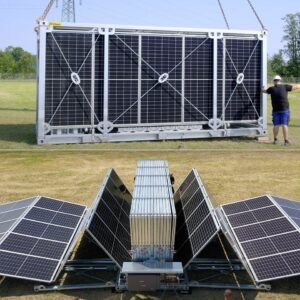
Pairing portable power stations with solar panels[^6] creates a self-sustaining system. Foldable solar panels[^6] (100W–400W) recharge stations in 3–8 hours, ideal for RV trips[^8], off-grid cabins, or disaster preparedness.
Solar Integration Guide
-
Panel Selection:
- 100W: Compact for backpacks (recharges a 500Wh station in 5–6 sunny hours).
- 400W: Rigid panels for RVs/vans (faster charging, weather-resistant).
-
Setup Tips:
- Angle panels toward the sun (adjustable stands help).
- Use MC4 connectors for waterproof linking.
-
Real-World Uses:
- Overlanding: Power a fridge and lights indefinitely.
- Emergency Prep: Keep comms devices charged during outages.
Caution: Check your power station’s max solar input (e.g., 200W vs. 800W) to avoid overload.
Conclusion
Portable power stations1 merge convenience with sustainability, offering quiet, emission-free power for adventures and emergencies alike—no cords, no fumes, just freedom.