Wind to Wire: The Journey of Renewable Energy, Supercharged by Battery Storage
Ever wondered how we can keep the lights on when the wind stops blowing? The answer lies in battery storage1 - the game-changer making wind energy reliable 24/7.
Battery storage systems capture excess wind energy during peak production and release it during low-wind periods, creating a continuous renewable energy supply that's available on demand.
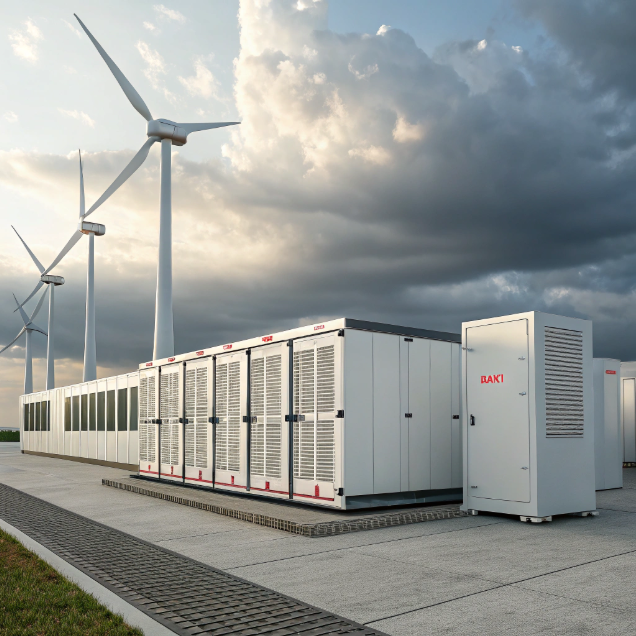
The transition to renewable energy faces one major hurdle: intermittency. But what if we could bottle the wind? Battery storage technology is doing exactly that - transforming wind energy from an unpredictable source to a dependable power solution that keeps our grids stable even when nature takes a break.
When the Wind Doesn't Blow: Storing Renewable Power for On-Demand Delivery
What happens to all that clean energy when the wind is howling but demand is low? Without storage, it's wasted potential - until now.
Energy storage systems capture surplus wind power during high-generation periods and discharge it during peak demand, solving renewable energy's intermittency problem and preventing clean energy waste.
The Science Behind Storing the Breeze
Wind energy storage isn't just about batteries - it's about creating an entire ecosystem that mimics traditional power plants. Here's how it works:
- Energy Capture: When wind turbines produce more electricity than needed, the excess charges battery banks
- Storage: Advanced lithium-ion2 or flow batteries3 hold the energy with minimal loss
- Dispatch: Smart systems release stored energy when demand peaks or wind drops
| Storage Technology | Capacity | Discharge Time | Ideal Use Case |
|---|---|---|---|
| Lithium-ion | 4-8 hrs | Instant | Daily cycling |
| Flow Batteries | 10+ hrs | Gradual | Long-duration |
| Pumped Hydro | 24+ hrs | Minutes | Grid-scale |
The real magic happens in the control room, where AI-powered systems predict wind patterns and energy demand to optimize charge/discharge cycles. These systems can respond to grid needs in milliseconds - faster than any fossil fuel plant.
The Future is Fluid: How Battery Storage Makes Wind Energy a Reliable Power Player
Can wind energy really replace baseload power plants? With the right storage solutions, it's already happening.
Modern battery systems provide grid stability4 services traditionally handled by fossil fuel plants, including frequency regulation and voltage support, making wind farms complete power solutions.
Beyond Batteries: The Next Generation of Storage
While lithium-ion2 dominates today, tomorrow's storage landscape looks radically different:
- Solid-state batteries: Higher density, safer chemistry
- Thermal storage: Storing energy as heat in molten salts
- Hydrogen production: Converting excess wind to green hydrogen
These innovations promise to solve wind energy's last remaining challenges:
- Seasonal storage: Storing summer wind for winter use
- Transportability: Moving energy to demand centers
- Industrial applications: Providing clean power for manufacturing
The most exciting development? Hybrid systems that combine multiple storage technologies to deliver exactly what the grid needs, when it needs it.
From Gust to Grid: The Science Behind Wind Energy's Storage Revolution
How does a breeze become battery power? The transformation is more fascinating than you might think.
Wind-to-wire systems convert kinetic energy to electricity, then to chemical energy in batteries, and back to electricity on demand - a complex process made seamless by advanced power electronics and control systems.
The Conversion Chain Explained
- Wind to Rotation: Turbine blades capture wind energy (Aerodynamics)
- Rotation to Electricity: Generators produce AC power (Electromagnetism)
- AC to DC: Rectifiers prepare power for storage (Power Electronics)
- DC to Chemical: Batteries store energy (Electrochemistry)
- Chemical to DC: Batteries discharge (Reverse Electrochemistry)
- DC to AC: Inverters make power grid-compatible (More Power Electronics)
Each step introduces efficiency losses, but modern systems achieve remarkable round-trip efficiencies:
| Conversion Stage | Typical Efficiency |
|---|---|
| Wind to Rotation | 45-50% |
| Rotation to Electricity | 90-95% |
| AC/DC Conversion | 98% |
| Battery Storage | 85-95% |
| Total System Efficiency | 70-80% |
The future lies in direct DC systems that eliminate conversion steps, potentially boosting overall efficiency above 90%.
Conclusion
Battery storage transforms wind energy from intermittent to indispensable, creating a renewable power solution that's ready when we need it.
Explore how battery storage enhances renewable energy reliability and efficiency. ↩
Discover why lithium-ion batteries are a popular choice for energy storage solutions. ↩
Find out how flow batteries can provide long-duration energy storage. ↩
Understand the role of battery storage in maintaining a stable energy grid. ↩