Your Fortress Against Load Shedding: Why a Battery Backup is Your Family’s Best Defense?
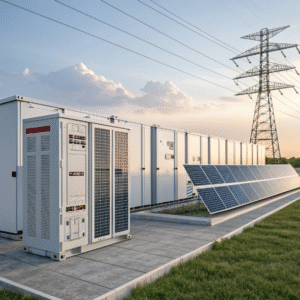
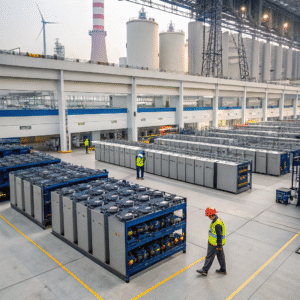
Power outages leaving you frustrated? A battery backup system1 ensures your home stays powered, keeping your family safe and connected during load shedding.
A battery backup system provides uninterrupted power2 during load shedding, protecting appliances, maintaining internet connectivity, and ensuring comfort and security for your family.
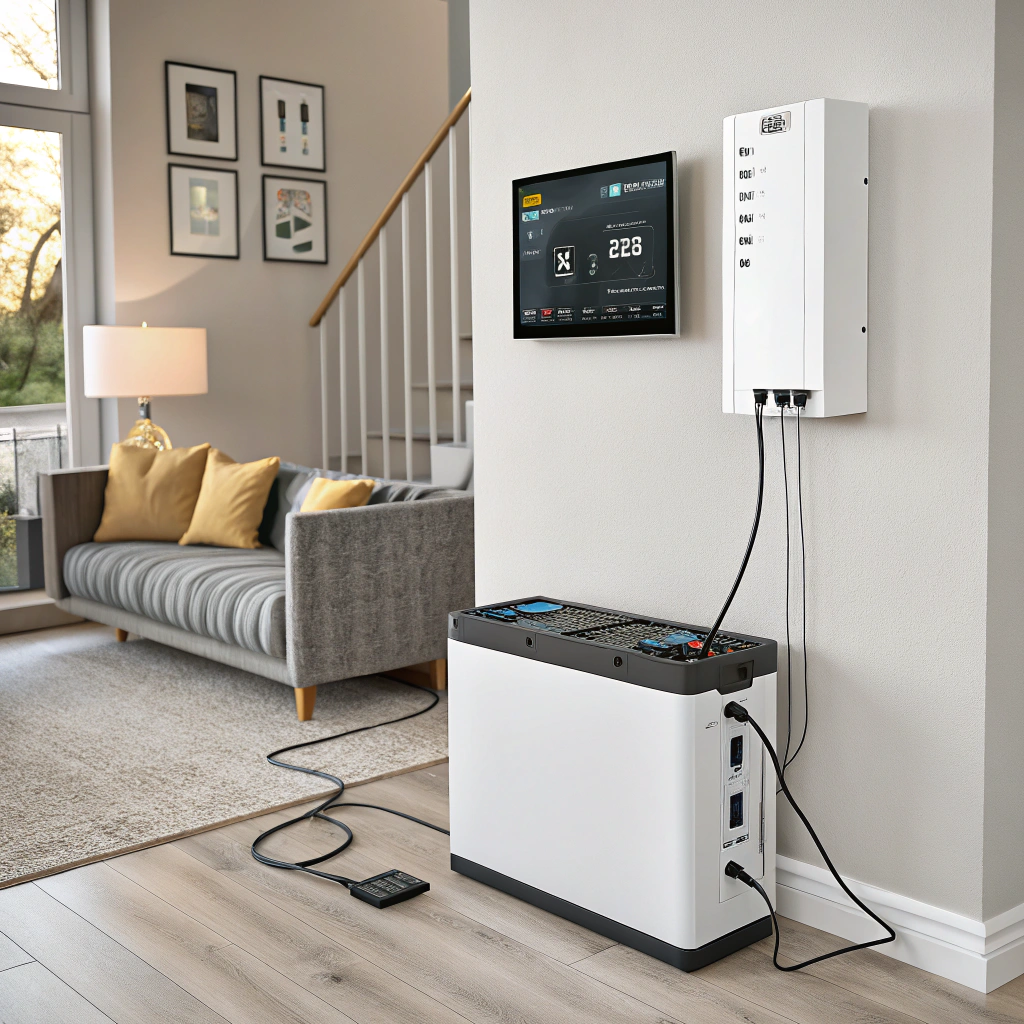
Load shedding doesn’t have to disrupt your life. With the right battery backup, you can keep essential appliances running and maintain your daily routine. Let’s explore how to choose the best system for your needs.
Never Go Dark Again: The Ultimate Guide to Load Shedding Battery Backup for Your Home
Tired of scrambling for candles during outages? A reliable battery backup keeps your lights on and devices charged, no matter the schedule.
A home battery backup stores energy to power essential devices during outages, ensuring lights, Wi-Fi, and appliances remain functional without interruption.
How Battery Backup Systems Work
Battery backups store electricity from the grid or solar panels, releasing it during outages. Key components include:
- Battery Unit: Stores energy (e.g., lithium-ion3 or lead-acid4).
- Inverter: Converts stored DC power to AC for household use.
- Charge Controller: Manages energy flow to prevent overcharging.
Types of Battery Backups
| Type | Pros | Cons | Best For |
|---|---|---|---|
| Lithium-Ion | Long lifespan, fast charging | Higher upfront cost | Frequent/long outages |
| Lead-Acid | Affordable, reliable | Shorter lifespan, bulkier | Budget-conscious users |
Key Features to Consider:
- Capacity (kWh): Determines how long devices run.
- Scalability: Add more batteries for extended coverage.
- Solar Compatibility: Integrates with solar panels for renewable charging.
Investing in the right system means never fearing load shedding again.
Work, Play, Live On: Maintain Your Lifestyle Uninterrupted with Load Shedding Battery Power
Load shedding shouldn’t pause your life. A battery backup lets you work remotely, stream shows, and keep meals cooking seamlessly.
Battery backups power home offices, entertainment systems, and kitchens, ensuring productivity and leisure continue during outages.
Essential Devices to Power
Prioritize these for uninterrupted living:
- Work/Study: Wi-Fi, laptops, monitors.
- Entertainment: TVs, gaming consoles.
- Kitchen: Fridge, microwave (check wattage).
Runtime Estimates (Per 5kWh Battery)
| Device | Runtime (Hours) |
|---|---|
| Laptop + Wi-Fi | 24+ |
| LED Lights | 20 |
| Refrigerator | 8–12 |
Pro Tip: Pair with solar panels to recharge during daylight, extending backup duration.
Choosing Your Shield: A Buyer’s Guide to Load Shedding Battery Backup Options
Overwhelmed by battery choices? This guide simplifies your decision to match your budget and power needs.
Select a battery backup based on capacity, battery type, and compatibility with solar or grid power for optimal load shedding protection.
Step-by-Step Selection
- Calculate Power Needs: Add wattage of essential devices (e.g., fridge + Wi-Fi = 800W).
- Choose Battery Type:
- Lithium-Ion: Best for long-term use (3,000+ cycles).
- Lead-Acid: Cost-effective but requires maintenance.
- Inverter Size: Match to total wattage (e.g., 3kW inverter for 2,500W load).
Top Brands Comparison
| Brand | Capacity Range | Warranty | Solar-Ready? |
|---|---|---|---|
| Tesla Powerwall | 13.5kWh | 10 years | Yes |
| Huawei Luna | 5–20kWh | 10 years | Yes |
| Dyness | 2.5–10kWh | 5 years | Optional |
Budget Tip: Start with a smaller system and expand later.
Conclusion
A battery backup is a smart investment to combat load shedding, ensuring comfort, safety, and continuity for your household.
Understanding battery backup systems can help you choose the right one for your home. ↩
Learn how uninterrupted power can keep your home running smoothly during outages. ↩
Explore the benefits of lithium-ion batteries for efficient energy storage. ↩
Discover if lead-acid batteries are the right choice for your budget and needs. ↩