Your Home, Your Power Plant: Experience True Energy Autonomy with a Personalized Solar Setup?
Problem: Rising energy bills drain your wallet. Agitation: You're dependent on the grid. Solution: Home solar delivers true energy independence.
A personalized residential solar system1 transforms your home into an independent power plant, reducing electricity costs while providing energy autonomy and environmental benefits.
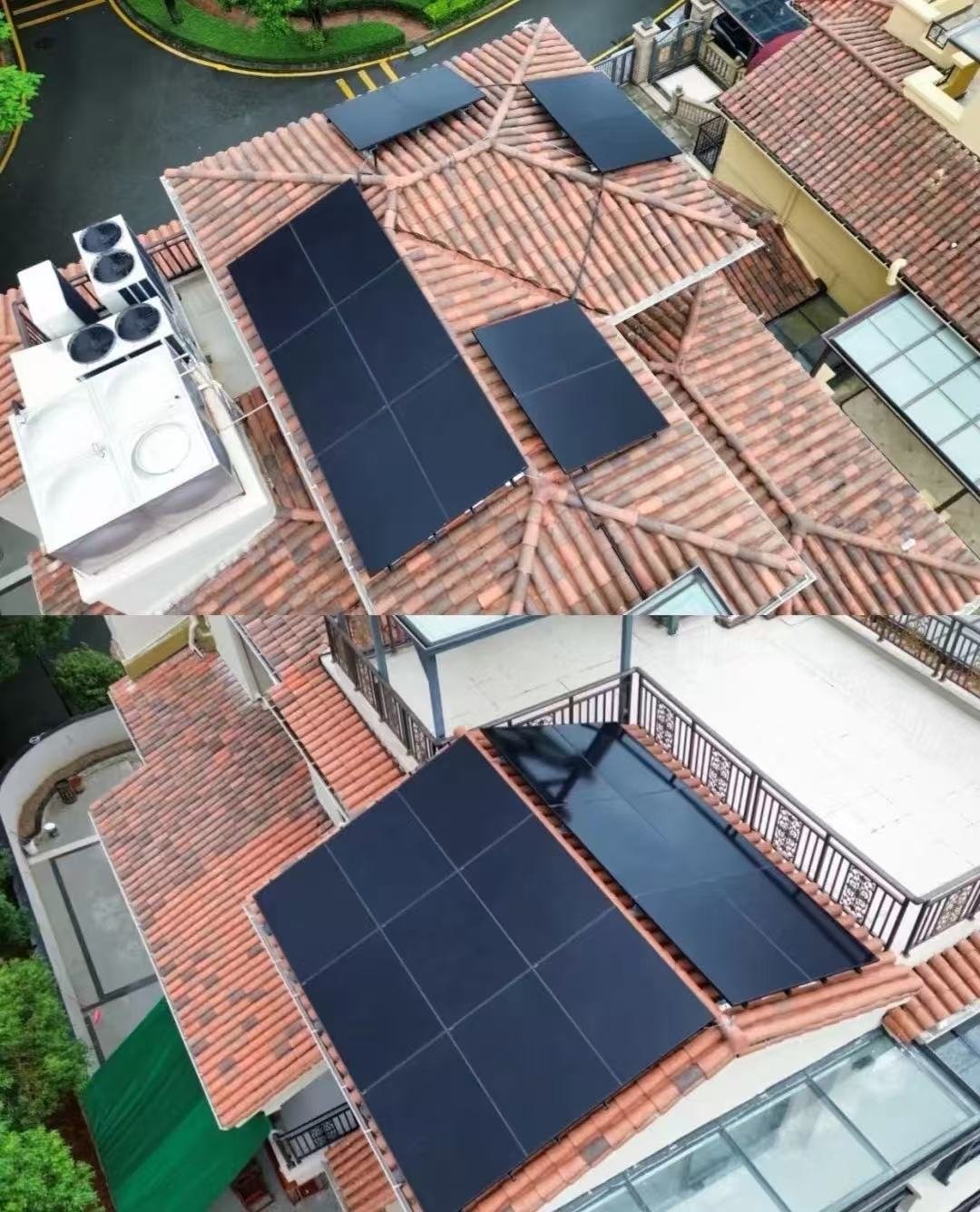
The journey to energy independence starts with understanding what solar can do for your specific home. I've seen countless homeowners transform their relationship with energy, moving from passive consumers to active producers. The technology has evolved dramatically, making solar more accessible and efficient than ever before. Your roof becomes your power station, working silently to slash those monthly bills while contributing to a cleaner future.
Seamless Integration: Bringing Your Smart Home to Life with Connected Residential Solar Systems?
Smart solar systems integrate effortlessly with home automation. Connected technology optimizes energy usage automatically for maximum savings.
Modern residential solar systems seamlessly connect with smart home technology, enabling automated energy management2, real-time monitoring, and optimized power distribution throughout your connected home.
The beauty of today's solar technology lies in its intelligence. When I first installed a connected solar system, watching my home automatically adjust energy consumption based on solar production felt like living in the future. Smart inverters communicate with your home's energy management system, automatically routing power where it's needed most.
Your solar panels3 don't just generate electricity—they become the brain of your home's energy ecosystem. Connected systems learn your usage patterns, storing excess energy during peak production and releasing it when you need it most. This integration extends to electric vehicle charging, water heating, and even pool pumps, all orchestrated to maximize your solar investment.
| Smart Integration Feature | Benefit |
|---|---|
| Automated Load Management | Optimizes energy usage timing |
| Real-time Monitoring | Tracks production and consumption |
| Grid-tie Capabilities | Sells excess power back to utility |
| Battery Storage Integration | Stores energy for nighttime use |
Beyond Carbon Footprint: How Residential Solar Empowers Your Contribution to a Cleaner Planet?
Concerned about environmental impact? Feel helpless against climate change? Solar empowers meaningful personal climate action.
Residential solar systems significantly reduce household carbon emissions4, with average home installations preventing 3-4 tons of CO2 annually while supporting clean energy infrastructure development.
The environmental impact of residential solar extends far beyond individual carbon reduction. Each solar installation contributes to grid stability and reduces demand for fossil fuel power plants during peak hours. I've calculated that my own 8kW system prevents roughly 12,000 pounds of CO2 emissions yearly—equivalent to planting 150 trees annually.
Solar adoption creates a ripple effect throughout communities. As more homes generate clean energy, it reduces strain on aging electrical infrastructure and decreases the need for new fossil fuel power plants. Your solar investment supports the renewable energy industry, driving down costs for future adopters and accelerating the clean energy transition5.
The manufacturing energy payback period for modern solar panels is typically 1-2 years, meaning your system generates clean energy for 23-28 years beyond its carbon debt. This represents one of the most impactful personal climate actions available to homeowners today.
Unlock Government Incentives: Maximizing Your Investment in Home Solar with Available Rebates and Tax Credits?
Solar costs seem overwhelming? Missing out on financial incentives? Government programs make solar surprisingly affordable.
Federal tax credits, state rebates, and local incentives can reduce residential solar system costs by 30-50%, making installation more affordable while providing long-term energy savings.
Navigate the financial landscape of solar incentives strategically. The federal Investment Tax Credit (ITC) currently provides a 30% tax credit on total system costs through 2032, including installation, equipment, and permits. This substantial incentive significantly reduces your upfront investment while accelerating payback periods.
State and local programs vary dramatically but often provide additional layers of savings. Net metering policies allow you to sell excess energy back to the grid at retail rates, essentially using the electrical grid as your battery. Some utilities offer time-of-use rates that make solar even more valuable by paying premium prices for afternoon solar production.
| Incentive Type | Typical Savings | Duration |
|---|---|---|
| Federal Tax Credit | 30% of system cost | Through 2032 |
| State Rebates | $1,000-$5,000 | Varies by state |
| Net Metering | $0.10-$0.30 per kWh | Ongoing |
| Property Tax Exemption | 100% of added value | Permanent |
Financing options have evolved to make solar accessible regardless of upfront capital. Power purchase agreements and solar loans enable homeowners to start saving immediately while paying for systems over time. The key is understanding your local incentive landscape and timing your installation to maximize available benefits.
Conclusion
Transform your home into a power-generating asset with personalized solar technology that delivers energy independence, environmental impact, and financial returns.
Explore how a tailored solar setup can maximize energy savings and efficiency for your home. ↩
Discover how automated energy management can enhance your home's energy efficiency. ↩
Stay updated on the latest innovations in solar panels that enhance efficiency and longevity. ↩
Understand the significant impact of solar on reducing household carbon footprints. ↩
Learn about the broader implications of adopting solar energy for a sustainable future. ↩