Your Home’s Power Hub: Seamless EV Charging Meets Smart Energy Storage
Tired of wondering how to power both your home and electric vehicle efficiently? Imagine a solution that not only charges your EV but also stores energy for your entire household.
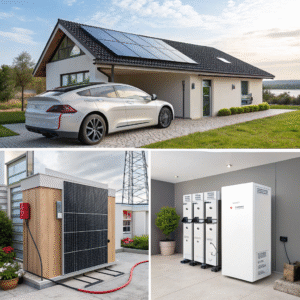
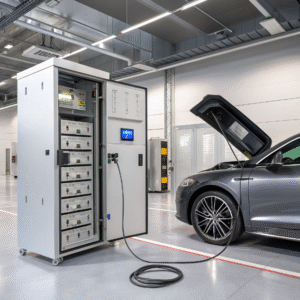
An integrated ESS & EV charging system combines energy storage with electric vehicle charging, providing homeowners with energy independence, cost savings, and grid resilience through smart energy management.
Transitioning to sustainable energy solutions has never been more crucial. Let's explore how this integrated powerhouse can transform your home energy ecosystem.
Energy Independence Redefined: The Integrated ESS & EV Charger for the Modern Homeowner
What if you could break free from grid dependency while keeping your EV fully charged?
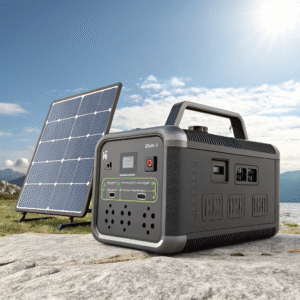
Integrated ESS & EV chargers redefine energy independence by storing solar or off-peak electricity for both home use and vehicle charging, optimizing energy usage and reducing reliance on the grid.
Understanding the Components
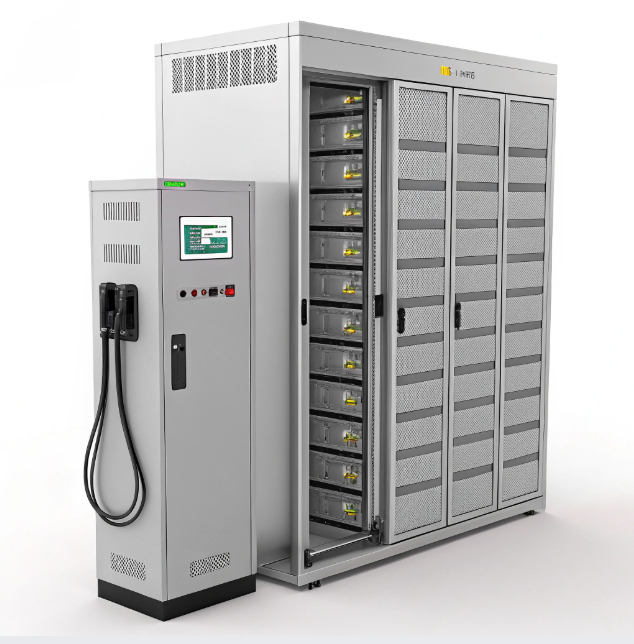
An integrated system typically includes:
- Energy Storage System (ESS): Stores electricity from solar panels or the grid
- EV Charger: Smart charging station for your electric vehicle
- Energy Management System: Intelligent software that optimizes energy flow
| Component | Function | Benefit |
|---|---|---|
| ESS | Stores energy | Provides backup power |
| EV Charger | Charges vehicle | Optimizes charging times |
| EMS | Manages energy flow | Maximizes efficiency |
The Smart Energy Advantage
These systems intelligently:
- Prioritize solar energy usage
- Schedule EV charging during off-peak hours
- Provide backup power during outages
- Monitor energy consumption in real-time
By integrating these technologies, homeowners achieve unprecedented control over their energy usage.
From Grid Reliance to Grid Resilience: The Integrated Powerhouse for Your Home and EV
How vulnerable is your home during power outages when you depend on both grid electricity and EV charging?
Integrated ESS & EV systems create grid resilience by storing energy for home use and emergency vehicle charging, ensuring continuous power during outages and peak demand periods.
The Resilience Framework
Key aspects of energy resilience:
- Backup Power: ESS provides electricity when grid fails
- Load Shifting: Stores cheap off-peak energy for peak use
- Islanding Capability: Can operate independently from the grid
Did you know? A typical 10kWh battery can power essential home circuits for 12-24 hours and provide 30-50 miles of EV range.
Cost vs. Benefit Analysis
| Feature | Initial Cost | Long-term Savings |
|---|---|---|
| ESS | $$ | Reduces peak demand charges |
| Smart EV Charger | $ | Optimizes electricity rates |
| Integration | $$ | Maximizes ROI on solar |
Explore financial incentives that can offset up to 30% of system costs.
Your Smart Home's Next Upgrade: Discover the Benefits of Integrated ESS & EV Charging Appliances
Ready to take your smart home to the next level with energy intelligence?
Integrated ESS & EV charging transforms homes into intelligent energy hubs that automatically optimize power usage, reduce costs, and prepare for future energy needs through seamless automation.
The Smart Home Integration Advantage
- Automated Energy Routing: Systems prioritize power where needed
- Demand Response: Participates in utility savings programs
- Future-Proofing: Prepares for V2G (Vehicle-to-Grid) technology
- Remote Monitoring: Control via smartphone apps
Implementation Tip: Look for systems with open APIs for smart home integration with platforms like Google Home or Alexa.
Comparing Top Systems
| System | Storage Capacity | Charging Speed | Smart Features |
|---|---|---|---|
| Tesla Powerwall + Wall Connector | 13.5kWh | 48A | AI energy prediction |
| LG Chem + JuiceBox | 9.8-16kWh | 40A | Utility rate optimization |
| Sonnen + ChargePoint | 10-20kWh | 50A | Grid services enabled |
Conclusion
Integrated ESS & EV charging systems offer homeowners energy independence, cost savings, and resilience while seamlessly powering both homes and electric vehicles.
- Learn more about energy storage systems from the U.S. Department of Energy
- Discover available financial incentives for home energy systems
- Explore smart home integration options for energy management