Your Own Micro-Grid: Building an Independent Power Ecosystem with Panels and Batteries?
Problem: Rising electricity costs drain your budget. Agitation: Peak-hour rates spike unpredictably. Solution: Solar panels plus batteries create energy independence.
A micro-grid combines solar panels and battery storage1 to create an independent power system that generates, stores, and distributes electricity on-demand, eliminating reliance on traditional grid power.
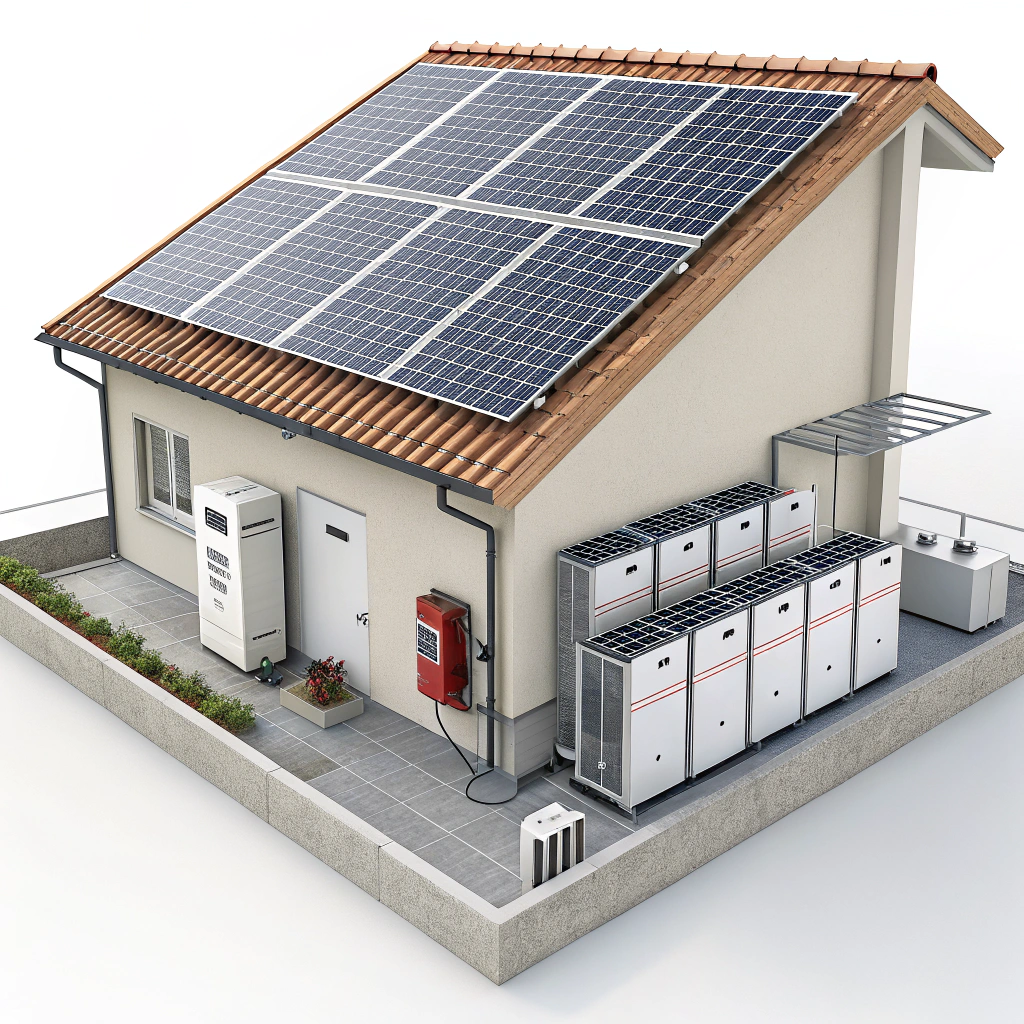
Ever wondered how to break free from fluctuating electricity bills and power outages? Building your own micro-grid2 isn't just a futuristic dream—it's an achievable reality that's transforming how homeowners approach energy independence. Let me walk you through the game-changing strategies that have helped countless people slash their energy costs while gaining complete control over their power supply.
Dynamic Duo: How Solar Panels Charge Batteries to Eliminate Peak-Hour Electricity Spikes?
Problem: Peak-hour electricity rates devastate monthly budgets. Agitation: Utility companies control your costs. Solution: Solar-charged batteries bypass expensive peak rates.**
Solar panels charge batteries during off-peak hours, storing excess energy for use during expensive peak-rate periods, effectively eliminating high-cost electricity purchases when demand surges.
The Science Behind Solar-Battery Integration
Understanding how solar panels3 charge batteries opened my eyes to energy independence. During sunny midday hours when electricity rates are typically lower, solar panels generate excess power that flows directly into battery storage systems. It's like having a personal energy bank account that you fill when rates are cheap and withdraw from when they're expensive.
The magic happens through charge controllers that optimize the energy transfer. Maximum Power Point Tracking (MPPT) controllers ensure batteries receive the most efficient charge possible, while protecting against overcharging. I've watched systems capture up to 30% more energy compared to basic controllers.
Here's how the integration maximizes savings:
| Time Period | Solar Activity | Battery Action | Grid Interaction |
|---|---|---|---|
| Morning | Moderate generation | Charging begins | Minimal grid use |
| Midday | Peak generation | Rapid charging | Export excess power |
| Evening | Declining generation | Discharging to home | Zero grid consumption |
| Night | No generation | Continued discharge | Backup only if needed |
Smart inverters play a crucial role too, converting DC power from panels and batteries into AC power your home can use. Modern hybrid inverters4 can seamlessly switch between solar, battery, and grid power without you even noticing.
Doubling Down on Savings: The Combined Financial Power of Generating and Storing Your Own Electricity?
Problem: Energy costs consume increasing portions of household budgets. Agitation: Traditional solutions offer limited savings. Solution: Combined generation and storage maximizes financial returns.**
Combining solar generation with battery storage creates dual savings streams: reduced electricity purchases and potential revenue from energy exports5, maximizing return on investment through strategic energy management.
Financial Synergies of Integrated Systems
The financial benefits compound when you combine generation and storage. I remember calculating my first year's savings and being amazed at how the numbers worked together. Solar panels alone might save 70% on daytime electricity costs, but adding batteries pushed total savings to over 90% by eliminating peak-rate purchases.
Net metering programs allow you to sell excess solar power back to the grid, creating a revenue stream during high-production periods. Battery storage enhances this by letting you choose when to sell—storing power when rates are low and selling when they peak.
Long-term Investment Analysis
The payback period for integrated systems has dramatically improved. While solar panels alone might pay for themselves in 8-10 years, adding batteries can reduce this to 6-8 years in areas with high peak rates or frequent outages. Here's the breakdown:
| System Component | Initial Cost | Annual Savings | Payback Period |
|---|---|---|---|
| Solar Only | $15,000 | $1,800 | 8.3 years |
| Solar + Battery | $25,000 | $3,200 | 7.8 years |
| Full Micro-grid | $35,000 | $4,500 | 7.7 years |
Tax incentives and rebates significantly improve these numbers. The federal solar Investment Tax Credit (ITC) covers 30% of system costs through 2032, while many states offer additional incentives for battery storage.
Power Your Passion, Anytime: From Hobby Workshops to Home Offices, Solar + Battery Delivers?
Problem: Power outages disrupt work and hobbies unexpectedly. Agitation: Grid dependency limits your productivity and creativity. Solution: Reliable micro-grid power enables uninterrupted pursuit of passions.**
Solar battery systems provide consistent, reliable power for workshops, home offices, and hobby spaces, ensuring creative and professional activities continue uninterrupted regardless of grid conditions.
Designing for Specific Power Needs
Customizing your micro-grid for specific applications revolutionizes how you work and play. My home workshop used to shut down during outages, but now it runs seamlessly on stored solar power. The key is calculating your critical loads and sizing the system appropriately.
Essential workshop tools like table saws, welders, and compressors require significant startup power. Battery systems with high surge capacity6 handle these demands effortlessly. For my 240V welder, I installed a split-phase inverter that delivers the precise power characteristics needed.
Home offices benefit tremendously from clean, stable power. Solar battery systems eliminate the voltage fluctuations and brief outages that crash computers and corrupt files. UPS-like functionality built into modern hybrid inverters provides seamless transitions during grid disturbances.
Load Management Strategies
Smart load management multiplies your system's effectiveness. Programmable outlets automatically shift non-critical loads to peak solar production hours, while priority circuits ensure essential equipment always has power. I've programmed my system to:
- Charge electric tools during peak solar hours
- Run energy-intensive equipment when batteries are full
- Maintain critical circuits during extended outages
- Pre-cool workshop spaces before evening work sessions
Advanced monitoring systems provide real-time insights into power generation, consumption, and storage levels, helping optimize usage patterns for maximum efficiency and savings.
Conclusion
Building a micro-grid with solar panels and batteries creates energy independence, eliminates peak-rate costs, and ensures reliable power for all your activities.
Discover how battery storage enhances solar energy systems and maximizes savings. ↩
Explore how micro-grids function to provide energy independence and reliability. ↩
Learn about the technology behind solar panels and their benefits for energy savings. ↩
Understand the function of hybrid inverters in managing solar and battery power. ↩
Discover how selling excess energy back to the grid can generate income. ↩
Learn about surge capacity and its importance for powering high-demand tools. ↩