Your Personal Power Bank: How a Home Battery Turns Your Solar Into a 24/7 Energy Source?
Problem: Solar panels stop producing when the sun goes down. Agitation: You're left powerless during outages. Solution: Home batteries store solar energy1 for round-the-clock power availability.
A home battery transforms your solar system into a 24/7 energy source by storing excess daytime solar production for use during nighttime, cloudy days, and power outages, maximizing energy independence.
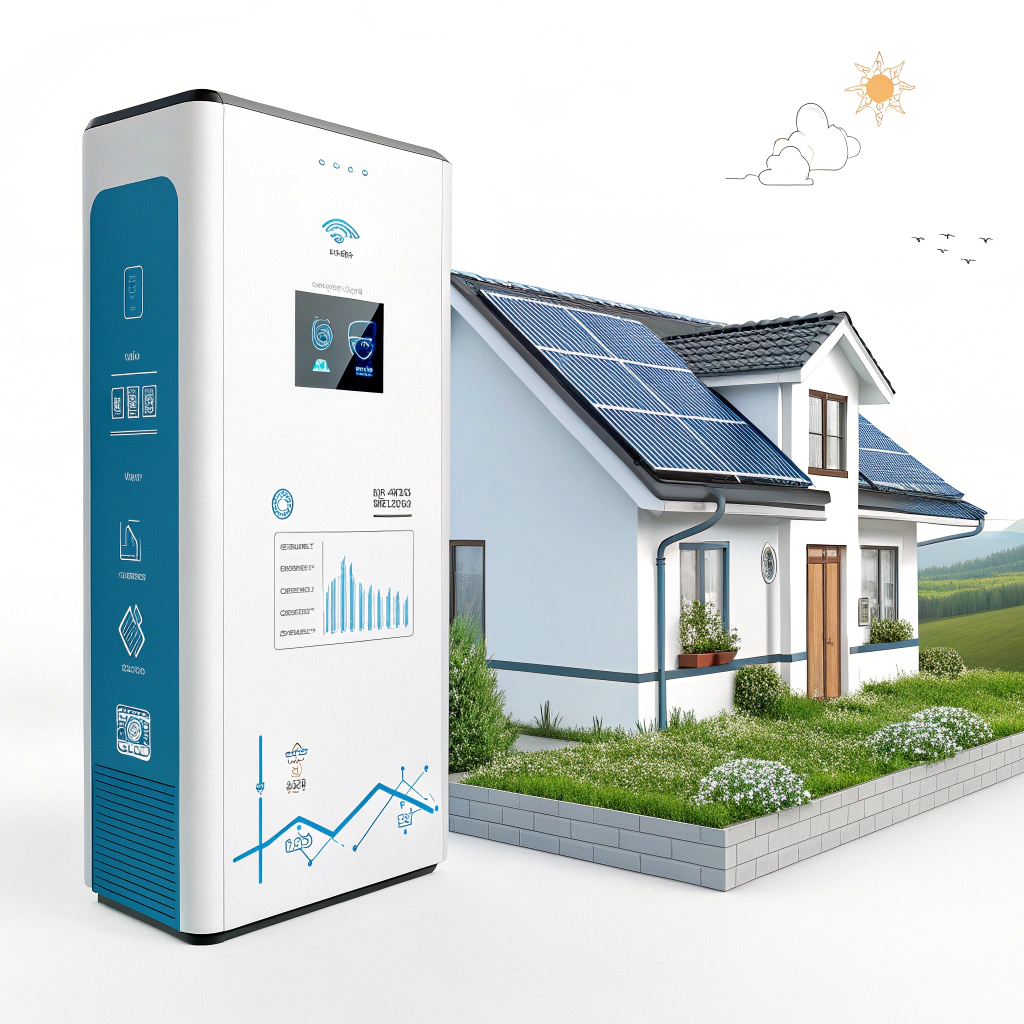
I remember the first night after installing my home battery system—watching my house stay fully powered while my neighbors sat in darkness during a grid failure. That moment crystallized why battery storage isn't just an add-on to solar; it's the missing piece that transforms intermittent solar generation into reliable, continuous energy independence.
Never Be Left in the Dark Again: The Critical Role of Battery Storage in Powering Through Grid Failures?
Problem: Power outages leave solar homeowners stranded. Agitation: Your expensive solar panels become useless when you need them most. Solution: Battery backup keeps essential systems running automatically.
Home battery2 systems provide automatic backup power during grid outages, ensuring critical appliances like refrigerators, lights, and medical equipment continue operating seamlessly without interruption or manual intervention.
Understanding Grid-Tie Solar Limitations During Outages
Here's something that surprises many solar owners: standard grid-tie systems shut down during power outages for safety reasons. It's like having a car that only runs when there's traffic—counterintuitive and frustrating. Without battery storage, your solar panels become decorative roof ornaments the moment the grid fails.
The safety protocols require solar inverters to disconnect when they detect grid failure, preventing backfeed that could endanger utility workers. This means even on sunny days during outages, your solar system can't power your home without a battery to island your electrical system from the grid.
Critical Load Management and Backup Duration
Battery systems don't just flip a switch—they intelligently manage your home's energy priorities. During outages, the system automatically switches to battery power and can be configured to run only essential circuits like refrigeration, lighting, and communication devices.
| Load Type | Power Draw | Battery Runtime |
|---|---|---|
| Refrigerator | 150W average | 3-5 days |
| LED Lighting | 100W total | 7+ days |
| WiFi/Internet | 50W | 10+ days |
| Medical Devices | 200W | 2-4 days |
The key is right-sizing your battery bank for your critical loads. I've seen homeowners power essential systems for days during extended outages, transforming their homes into resilient energy islands that maintain comfort and safety when neighbors struggle with spoiled food and dead devices.
Optimize Every Watt: Intelligent Battery Systems That Automate Your Home's Energy Savings?
Problem: Energy costs keep rising despite solar installation. Agitation: You're missing savings opportunities every day. Solution: Smart batteries automatically optimize when you buy, sell, and store energy.
Intelligent battery systems maximize solar savings by automatically storing excess solar energy during peak production, then using stored power during expensive peak rate periods instead of buying grid electricity.
Time-of-Use Rate Optimization
Think of your battery as a financial arbitrage system that automatically buys low and sells high with electricity. During midday when solar production3 peaks and electricity rates are low, your battery charges with excess solar power. Then during expensive evening peak hours when rates spike, your battery discharges stored solar energy instead of purchasing costly grid power.
I've watched my energy bills drop by 80% after installing battery storage, not just from using solar power, but from strategically avoiding peak rate periods. The system learns your usage patterns and automatically shifts energy consumption to maximize savings without any manual intervention.
Load Shifting and Peak Shaving
Smart batteries perform sophisticated load management that goes far beyond simple backup power. They analyze your historical usage patterns, weather forecasts, and utility rate schedules to make real-time decisions about energy storage and discharge timing.
Advanced Grid Services and Revenue Opportunities
Modern battery systems can participate in grid stabilization4 programs, actually earning money by providing services to utilities. During peak demand periods, your battery can sell stored energy back to the grid at premium rates, turning your home into a mini power plant.
| Grid Service | Revenue Potential | Frequency |
|---|---|---|
| Peak Demand Response | $200-500/year | Seasonal |
| Frequency Regulation | $100-300/year | Daily |
| Energy Arbitrage | $300-800/year | Continuous |
These intelligent systems continuously optimize between self-consumption, grid sales, and reserve capacity, ensuring you capture maximum value from every kilowatt-hour your solar panels produce while maintaining backup power availability.
Unlock True Energy Independence: The Freedom a Home Battery Gives You from Utility Companies?
Problem: You're still dependent on utility companies despite having solar. Agitation: Rate increases and grid instability threaten your energy security. Solution: Battery storage creates genuine energy independence and protection from utility control.
Home batteries provide true energy independence by enabling complete disconnection from utility dependence, protecting against rate increases, and creating a self-sufficient energy ecosystem5 that operates regardless of grid conditions.
Breaking Free from Utility Rate Manipulation
I've witnessed utility companies implement increasingly complex rate structures designed to minimize solar savings—demand charges, connection fees, and time-of-use rates that penalize solar owners. With sufficient battery storage, you can effectively eliminate your electric bill entirely, removing the utility company's ability to manipulate your energy costs through rate restructuring.
The psychology of energy independence runs deeper than just financial savings. There's something profoundly empowering about knowing your home's energy needs are completely self-sufficient, insulated from corporate profit motives and political energy policies that could impact grid reliability or pricing.
Resilience Against Grid Instability
Climate change and aging infrastructure make grid failures increasingly common. California's public safety power shutoffs, Texas's winter storm blackouts, and hurricane-related outages demonstrate how quickly comfortable lives can be disrupted by grid dependence.
Building Your Energy Fortress
True energy independence requires right-sizing your system for year-round needs, not just sunny summer days. This means calculating worst-case scenarios—cloudy winter weeks when solar production drops while heating loads increase.
| Season | Solar Production | Battery Needs | Backup Days |
|---|---|---|---|
| Summer | 100% capacity | Standard | 3-5 days |
| Winter | 60% capacity | Oversized | 5-7 days |
| Storm Season | Variable | Maximum | 7-14 days |
The investment in comprehensive battery storage pays dividends beyond financial returns—it's insurance against an increasingly unreliable grid, protection from utility manipulation, and the peace of mind that comes from genuine energy security. When neighbors worry about blackouts and rate hikes, battery-backed solar homeowners sleep soundly knowing they've achieved true energy independence6.
Conclusion
Home batteries transform solar panels from intermittent generators into comprehensive 24/7 energy systems, providing backup power, intelligent savings optimization, and genuine utility independence.
Learn about the synergy between solar energy and home batteries for continuous power. ↩
Explore how home batteries enhance solar energy systems, providing reliable power during outages. ↩
Explore seasonal variations in solar production and their implications for battery use. ↩
Learn how home batteries can participate in grid stabilization and earn revenue. ↩
Discover how home batteries contribute to a self-sufficient energy ecosystem. ↩
Discover the advantages of achieving energy independence through battery storage. ↩