Your Private Power Grid: How a 20ft Solar Container Secures Uninterrupted Energy Supply?
Problem: Power outages devastate operations. Agitation: Unreliable grids cost millions. Solution: Mobile solar containers1 deliver independence.
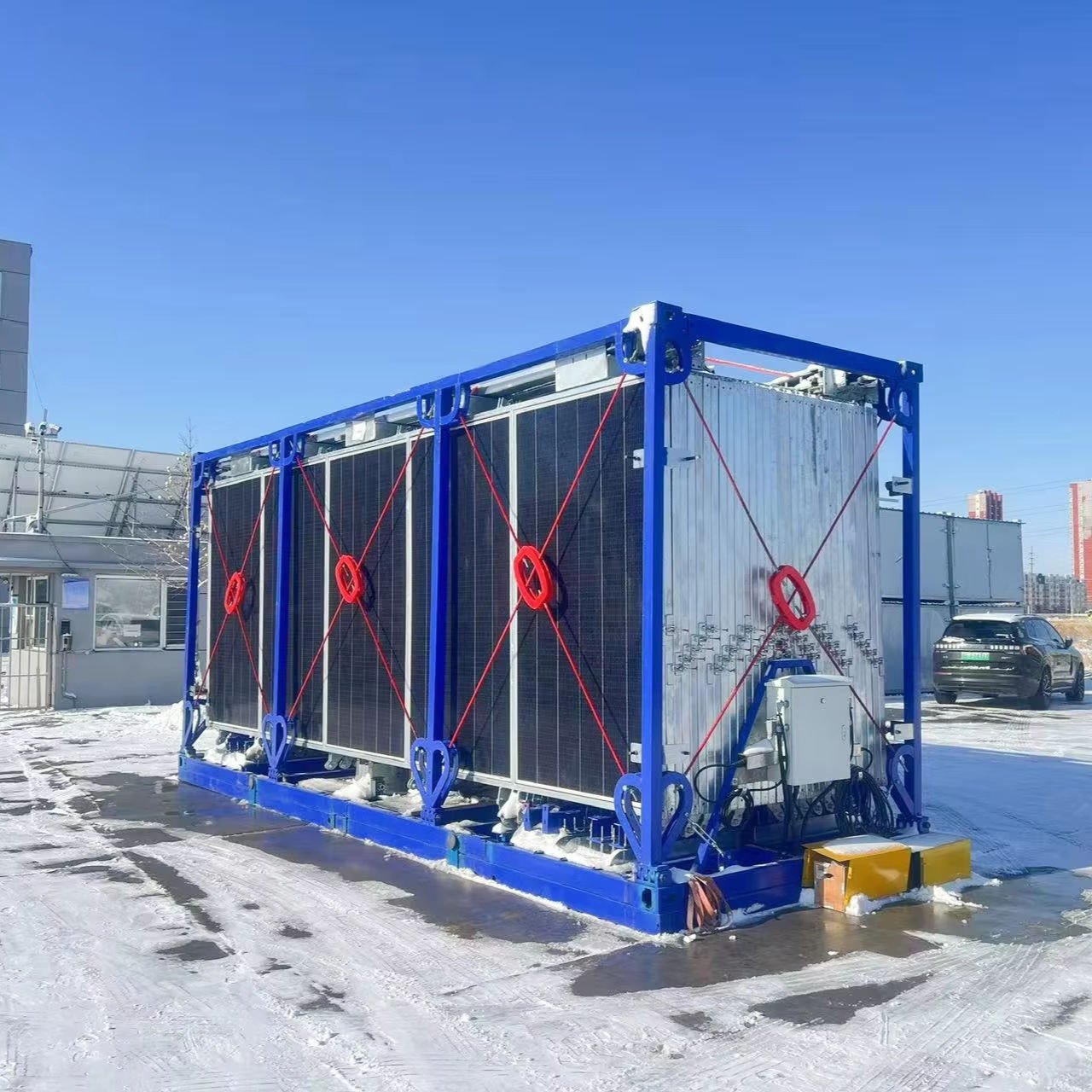
A 20ft solar container provides 50-100kW of renewable power2 with battery storage, ensuring continuous energy supply during grid failures through self-contained, deployable infrastructure.
When I first witnessed a manufacturing facility shut down for three days due to grid failure, the financial devastation was staggering. That moment sparked my fascination with energy independence solutions. Mobile solar containers aren't just backup power—they're complete energy ecosystems3 that can transform how we think about electricity security and sustainability.
Green Energy on Wheels: How Mobile Solar Containers Drive a Sustainable Future, One Watt at a Time?
Mobile solutions eliminate fossil fuel dependence. Deployment anywhere means energy freedom. Clean power drives environmental responsibility forward.
Mobile solar containers generate 200-500kWh daily while reducing carbon footprint4 by 80% compared to diesel generators, advancing sustainability through transportable renewable energy systems.
The Revolutionary Impact of Portable Clean Energy
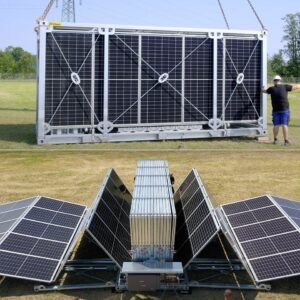
The beauty of mobile solar containers lies in their versatility—imagine having a power plant that moves with your needs. These systems integrate high-efficiency photovoltaic panels, advanced battery storage5, and intelligent power management into a standard shipping container format.
During my experience with remote mining operations, I've seen how these units transform project economics. Traditional diesel generators consume 3-5 gallons per hour, while solar containers operate at zero fuel cost after initial deployment. The environmental benefits are equally compelling:
| Energy Source | CO2 Emissions | Operating Cost | Deployment Time |
|---|---|---|---|
| Diesel Generator | 22 lbs/gallon | $3-5/hour | 2-4 hours |
| Solar Container | Zero | $0/hour | 4-8 hours |
| Grid Connection | Varies | $0.10-0.30/kWh | 30-90 days |
The scalability amazes me most—link multiple containers for megawatt-scale installations or deploy single units for emergency response. Weather resistance and automated systems ensure 24/7 operation with minimal human intervention, making them perfect for disaster relief scenarios where traditional infrastructure fails.
From Capex to Cash Flow: The Rapid ROI Potential of a 20ft Mobile Solar Power Solution?
High upfront costs concern investors. Energy savings seem distant. Smart financing accelerates payback periods significantly.
Mobile solar containers achieve 3-7 year ROI through eliminated fuel costs, tax incentives, and revenue generation, creating positive cash flow faster than traditional energy investments.
Understanding the Financial Transformation
The economics shift dramatically when you consider total cost of ownership. I remember calculating the numbers for a construction company spending $50,000 annually on generator fuel—their solar container investment paid itself back in under four years.
Key financial drivers include federal tax credits (30% investment tax credit), accelerated depreciation schedules, and avoided fuel costs. For businesses in high-electricity-cost regions, the payback accelerates even further:
| Investment Component | Year 1 | Year 3 | Year 5 | Year 7 |
|---|---|---|---|---|
| Initial Investment | -$150k | -$150k | -$150k | -$150k |
| Fuel Savings | +$25k | +$75k | +$125k | +$175k |
| Tax Benefits | +$45k | +$45k | +$45k | +$45k |
| Maintenance Savings | +$5k | +$15k | +$25k | +$35k |
| Net Cash Flow | -$75k | -$15k | +$45k | +$105k |
Revenue generation opportunities through grid-tie capabilities and peak shaving services create additional income streams. Some operators generate $10,000-30,000 annually by selling excess power back to utilities during peak demand periods.
Smart Energy on the Move: Exploring AI Integration in Next-Gen Foldable Solar Container Systems?
Traditional systems lack intelligence. Manual operations waste efficiency. AI optimization maximizes energy production and system longevity.
AI-integrated solar containers increase energy yield by 15-25% through predictive analytics, automated tracking, and intelligent load management, revolutionizing portable power efficiency.
The Intelligence Revolution in Portable Power
The integration of artificial intelligence transforms these containers from simple power generators into sophisticated energy management systems6. Machine learning algorithms analyze weather patterns, energy consumption, and battery health to optimize performance continuously.
I've witnessed AI systems predict maintenance needs weeks in advance, preventing costly failures. Automated panel tracking increases energy capture by following sun movement, while smart inverters adjust output based on load requirements:
AI Optimization Features:
- Predictive Weather Analysis: Adjusts charging strategies based on 7-day forecasts
- Load Pattern Recognition: Learns usage patterns to optimize battery discharge cycles
- Preventive Maintenance Alerts: Monitors component health and schedules service
- Grid Integration Intelligence: Maximizes revenue through strategic grid interaction
- Security Monitoring: Detects unauthorized access and system tampering
The foldable design revolution adds another dimension—containers that expand solar collection area by 200-300% when deployed. Hydraulic systems automatically unfold additional panel arrays, tripling power generation capacity while maintaining transport compatibility.
Remote monitoring capabilities allow fleet management from anywhere in the world. I can check system performance, adjust settings, and receive alerts through smartphone apps, making these systems as user-friendly as they are powerful.
Conclusion
Mobile solar containers revolutionize energy independence by combining portability, sustainability, rapid ROI, and AI optimization for comprehensive power solutions.
Explore how mobile solar containers can provide energy independence and sustainability for various applications. ↩
Learn about the role of renewable power in achieving energy independence and reducing reliance on fossil fuels. ↩
Understand the concept of energy ecosystems and their importance in modern energy solutions. ↩
Find out effective strategies to minimize carbon footprints using solar energy solutions. ↩
Discover the benefits of battery storage in enhancing the efficiency and reliability of solar energy systems. ↩
Discover the advantages of energy management systems in optimizing energy use and reducing costs. ↩