Zero Electricity Bills, Minimal Upkeep: The True Cost Savings of Solar Street Lighting?
Problem: Rising energy costs crush municipal budgets. Agitation: Traditional street lighting drains resources yearly. Solution: Solar street lights eliminate ongoing electricity expenses completely.
Solar street lighting1 reduces operational costs by eliminating electricity bills, minimizing maintenance requirements, and providing long-term financial benefits through sustainable, grid-independent illumination systems.
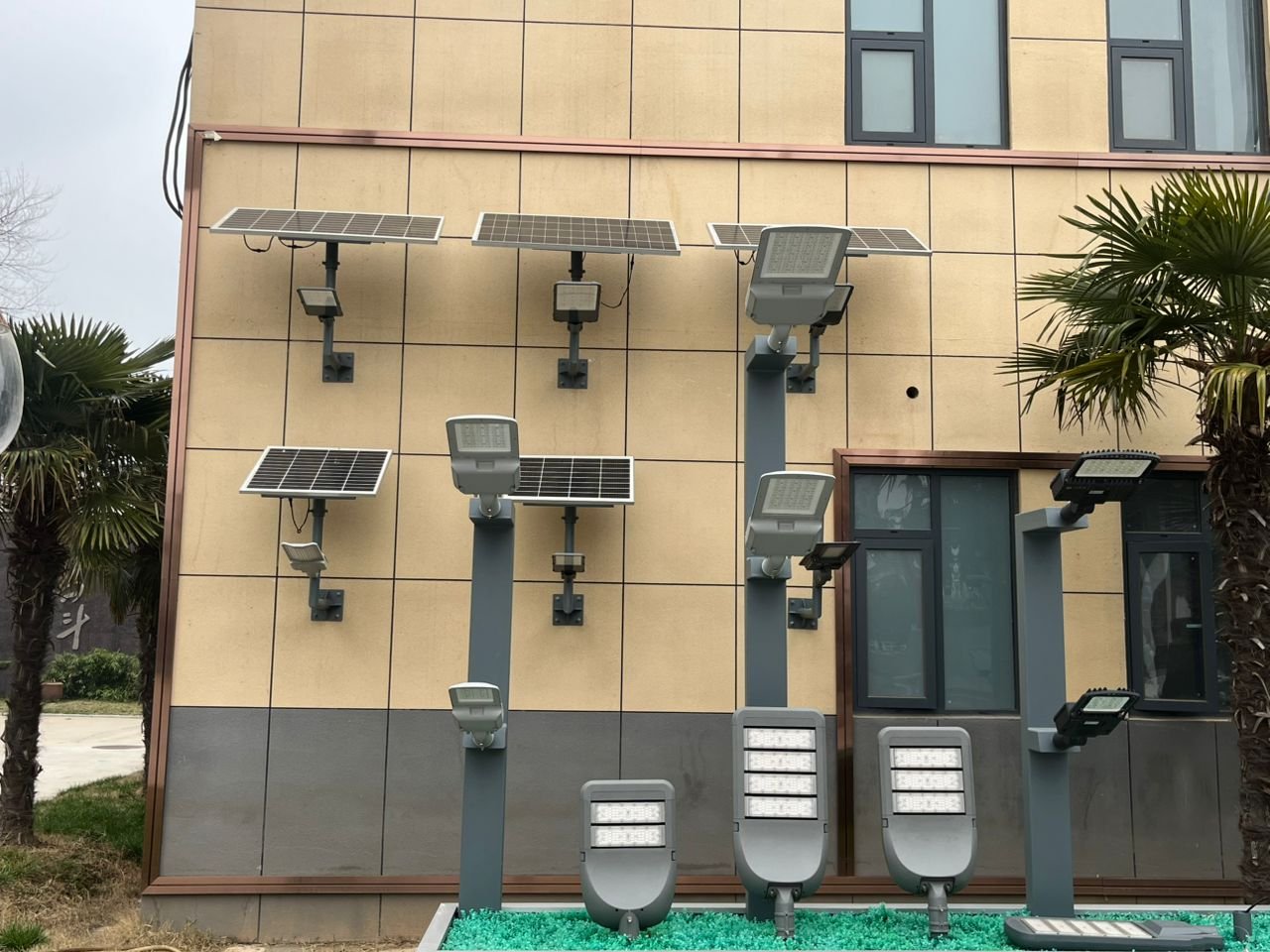
When I first witnessed a entire neighborhood switch from traditional grid-powered streetlights to solar alternatives, the transformation wasn't just visual—it was financial. The immediate elimination of monthly electricity bills felt like watching money magically reappear in budgets that had been stretched thin for years.
How Do Solar Street Lights Eliminate Ongoing Energy Costs?
Ever wondered how communities completely eliminate their street lighting electricity bills overnight?
Solar street lights eliminate energy costs through self-contained photovoltaic systems2 that capture, store, and utilize solar energy independently from electrical grids.
Understanding the Energy Independence Model
The beauty of solar street lighting lies in its complete autonomy from traditional power grids. Each unit functions as an independent energy ecosystem, capturing sunlight during the day and converting it to electricity through photovoltaic panels. I've seen municipalities transform their energy profiles overnight—literally going from thousands of dollars monthly in electricity costs to zero.
The system operates on a simple yet revolutionary principle: energy harvesting during daylight hours powers LED illumination throughout the night. Battery storage systems ensure consistent performance even during cloudy periods, maintaining reliable lighting without drawing a single kilowatt from the municipal grid.
| Cost Component | Traditional Lighting | Solar Street Lighting |
|---|---|---|
| Monthly electricity | $50-150 per unit | $0 |
| Grid connection fees | $25-75 per unit | $0 |
| Energy rate increases | 3-5% annually | Not applicable |
This independence from fluctuating energy prices provides long-term financial predictability that traditional lighting simply cannot match.
What Makes Solar Street Light Maintenance So Minimal?
Think maintaining street lights means constant repairs and replacements? Solar technology changes that game entirely.
Solar street lights require minimal maintenance due to LED longevity3, weather-resistant components, and self-regulating systems that reduce mechanical failure points.
The Low-Maintenance Advantage
Traditional street lighting systems demand frequent bulb replacements, electrical repairs, and grid infrastructure maintenance. Solar alternatives flip this narrative completely. LED bulbs in solar systems typically last 50,000+ hours—that's over 11 years of continuous operation before requiring replacement.
Weather-resistant housing protects internal components from environmental damage, while smart controllers automatically manage charging cycles and lighting schedules. I've observed solar installations operating flawlessly for 3-5 years with nothing more than occasional panel cleaning.
The absence of underground wiring eliminates cable theft risks and electrical faults that plague traditional systems. No trenching, no conduit repairs, no voltage issues—just reliable, self-contained lighting that works year after year.
How Do Remote Areas Benefit from Solar Street Lighting?
Struggling to bring reliable lighting to areas where electrical infrastructure doesn't exist?
Remote areas gain reliable illumination through solar street lights without requiring costly grid extensions, making previously unlit locations safely accessible and economically viable.
Lighting Beyond Traditional Infrastructure
Rural communities and remote facilities face astronomical costs when extending electrical grids to provide street lighting. Solar technology eliminates these barriers entirely. I've witnessed parks, hiking trails, and rural intersections transform from dangerous darkness to well-lit safety zones without laying a single power cable.
Installation in remote locations requires no trenching, no electrical permits, and no ongoing utility connections. Each solar street light becomes a self-sufficient lighting solution that operates independently of distance from power sources.
| Remote Application | Traditional Cost | Solar Solution Cost |
|---|---|---|
| 1-mile grid extension | $50,000-100,000 | $5,000-8,000 |
| Rural intersection lighting | $15,000-25,000 | $3,000-5,000 |
| Park pathway illumination | $20,000-35,000 | $6,000-10,000 |
The economic advantages become even more pronounced in challenging terrain where electrical infrastructure installation faces significant obstacles.
What Does Sustainable ROI Look Like for Solar Street Lighting?
Wondering if solar street lighting investments actually pay for themselves over time?
Solar street lighting delivers sustainable ROI4 through eliminated electricity costs, reduced maintenance expenses, and long-term operational savings that typically recover initial investment within 3-5 years.
Calculating Long-Term Financial Benefits
The financial mathematics of solar street lighting become compelling when viewed through a long-term lens. Initial installation costs range from $2,000-4,000 per unit, while traditional systems require $1,500-2,500 upfront plus ongoing operational expenses.
Over a 10-year period, traditional street lighting accumulates $6,000-12,000 in electricity costs alone, not including maintenance and replacement expenses. Solar systems eliminate these ongoing costs entirely while providing 15-20 years of operational life.
Smart financing options, including municipal leasing programs and grant opportunities, make initial capital requirements more manageable. Many communities report complete cost recovery within 3-4 years, followed by decades of free lighting.
The environmental benefits5 add another layer of value—reduced carbon footprints and demonstrated commitment to sustainable practices often qualify for additional incentives and recognition programs.
Conclusion
Solar street lighting eliminates electricity bills while minimizing maintenance, delivering substantial long-term cost savings for communities seeking sustainable illumination solutions.
Explore the advantages of solar street lighting, including cost savings and environmental benefits. ↩
Gain insights into the technology behind solar street lighting and its efficiency. ↩
Find out how long LED lights last and their impact on maintenance costs. ↩
Learn about the return on investment for solar street lighting projects. ↩
Explore the positive impact of solar lighting on the environment. ↩